


Panic attacks can be overwhelming and debilitating experiences characterized by sudden and intense episodes of fear or anxiety. These episodes can strike without warning, making individuals feel as though they are losing control or experiencing a life-threatening situation. However, effective treatment options are available to help individuals manage and overcome panic attack treatment, allowing them to regain control of their lives and find relief from their symptoms.
Understanding Panic Attacks
Before delving into treatment options, it's essential to understand what panic attacks are and what triggers them. Panic attacks are typically brief episodes of intense fear or discomfort that arise suddenly and reach a peak within minutes. Common symptoms include rapid heartbeat, sweating, trembling, shortness of breath, chest pain, nausea, dizziness, and a sense of impending doom.
Treatment Options for Panic Attacks
Psychotherapy: Cognitive-behavioral therapy (CBT) is one of the most widely used and effective forms of therapy for treating panic attacks. CBT helps individuals identify and challenge negative thought patterns and beliefs that contribute to their anxiety. Through techniques such as exposure therapy and relaxation training, individuals can learn to cope with panic attacks and reduce their fear of future episodes.
Medication: In some cases, medication may be prescribed to help manage the symptoms of panic attacks. Antidepressants, such as selective serotonin reuptake inhibitors (SSRIs) and serotonin-norepinephrine reuptake inhibitors (SNRIs), are commonly used to treat panic disorder and other anxiety disorders. Benzodiazepines may also be prescribed for short-term relief of severe panic symptoms, although they carry a risk of dependence and should be used cautiously.
Lifestyle Changes: Making lifestyle changes can also play a significant role in managing panic attacks. Regular exercise, adequate sleep, healthy eating habits, and stress management techniques such as meditation and mindfulness can help reduce anxiety and improve overall well-being. Avoiding caffeine, alcohol, and recreational drugs, which can exacerbate anxiety symptoms, is also important.
Support Groups: Joining a support group or seeking support from friends, family, or peers who have experienced similar struggles can provide valuable emotional support and encouragement. Sharing experiences and coping strategies with others who understand can help individuals feel less alone in their journey toward recovery.
Relaxation Techniques: Learning relaxation techniques such as deep breathing exercises, progressive muscle relaxation, and guided imagery can help individuals calm their minds and bodies during panic attacks. Practicing these techniques regularly can increase resilience to stress and reduce the likelihood of future panic episodes.
Conclusion
Panic attack treatment can be distressing experiences, but effective treatment options are available to help individuals manage their symptoms and regain control of their lives. By understanding the triggers and underlying causes of panic attacks and exploring various treatment approaches such as psychotherapy, medication, lifestyle changes, support groups, and relaxation techniques, individuals can find relief from their symptoms and experience a significant improvement in their quality of life. Seeking help from a qualified mental health professional is the first step toward recovery. With time and persistence, it is possible to overcome panic attacks and live a fulfilling and anxiety-free life.
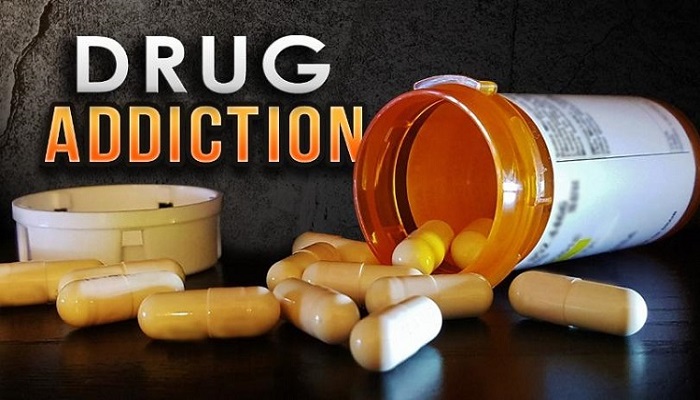
Drug addiction is one of those bad habits that can be difficult to cope up with.
Are you looking for a viable means to get rid of drug addiction?
If yes, then a rehab center for drug addicts is a one-go place you can rely upon.
To know how it can help, visit us at Living Recovery Interventions.Read more at: https://bit.ly/2WVcEbg

In today’s fast-paced lives, most people have signs of stress and worry in their lives.
Therefore, all you need is to focus on your stress triggers and find the best treatment options for them by talking to an expert.
At the same time, you can know the right Xanax online UK by talking to a doctor to avoid Xanax withdrawal signs in your life.How Anxiety Disorders Affect Our Daily Life and Overall Health?In the same way, having signs of stress in daily life leads to changes in the brain and body functions.
Likewise, severe signs of fear and worry are linked to changes in sleep routine, diet control, and other health aspects.
In fact, too many anxiety signs in daily life can cause negative irreversible changes in your brain and body.
For example, living with stress signs can cause mood swings and behavioural issues in people.