





Controlling the flow of bulk materials is important to establishing streamlined, efficient production; without a regulated feed rate, bottlenecks, substandard output, shutdowns, and a slew of other production concerns soon become the norm. As a result, feeder belts are utilized in bulk solids handling and processing activities to regulate material flow by metering material into a process or piece of machinery.
While many of the factors necessary for constructing a belt conveyor apply to belt feeder design, a few extra criteria must be considered in order to provide a dependable, effective feeding system.
What are Feeder Belts?
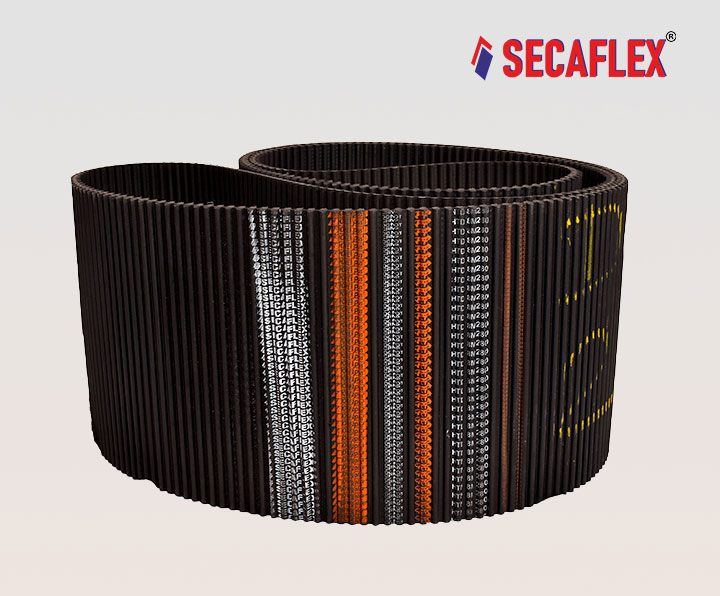
A feeder belt is a short conveyor belt housed within a hopper or feeding trough. Material is loaded into the hopper and then metered out onto a conveyor belt or other processing equipment by the feeder belt itself. The speed of the belt and the design of the hopper determine the rate at which material is released.
Benefits of Using Feeder Belts
- Precise Metering: Feeder belts provide a consistent and controlled flow of material, which is essential for maintaining accurate processing rates and product quality. Fluctuations in material flow can disrupt downstream processes and lead to inconsistencies in the final product.
- Reduced Waste: By precisely metering material, feeder belts minimize waste and spillage. This is not only good for the environment but also helps to reduce production costs.
- Improved Efficiency: Consistent material flow ensures that downstream equipment doesn't have to wait for material, leading to improved overall production efficiency.
- Versatility: Feeder belts can handle a wide variety of materials, from light and fluffy powders to heavy and abrasive aggregates. They can also be configured for inclined or horizontal applications.
- Dust Control: Feeder belts can be enclosed to minimize dust generation, which is important for maintaining a clean work environment and worker safety, especially when handling fine materials.
Feeder Belts for Every Industry
The versatility of feeder belts makes them a valuable asset across a wide range of industries. Here are some specific examples:
- Construction: Feeder belts are used for metering out sand, gravel, and cement for concrete production. They also play a role in asphalt plants and in feeding aggregate into crushers.
- Mining: In the mining industry, feeder belts are used to control the flow of raw materials from stockpiles to processing equipment. This can include crushed rock, coal, and various minerals.
- Food Processing: Feeder belts are used to precisely meter grains, flours, and other food products into processing equipment. Consistent flow is essential for maintaining product quality and recipe accuracy.
- Chemical Processing: Feeder belts play a critical role in chemical plants, where precise metering of ingredients is essential for safe and efficient production.
- Recycling: Feeder belts are used in recycling facilities to control the flow of various materials onto sorting lines or into processing equipment.
- Agriculture: From metering out feed for livestock to controlling the flow of grain into processing equipment, feeder belts play a vital role in the agricultural industry.
Choosing the Right Feeder Belt
Several factors need to be considered when selecting a feeder belt for your application. These include:
- Material Type: The type of material being handled will influence the belt material, construction, and horsepower requirements.
- Capacity: The feeder belt needs to be sized to handle the desired material flow rate.
- Accuracy: The required accuracy of the metering will determine the type of control system needed for the feeder belt.
- Environment: Factors like temperature, dust, and humidity can influence the selection of materials and components for the feeder belt.
Conclusion
Feeder belts are a crucial component in material handling systems across a wide range of industries. Their ability to provide precise and consistent material flow helps to ensure efficient production, minimize waste, and improve product quality. By understanding the benefits and various considerations when choosing a feeder belt, you can ensure that you select the right equipment to optimize your operation.

In this quick guide, you’ll find a list of articles & resources we’ve created to guide you through your Kickstarter crowdfunding journey.
Click here to know more about us!

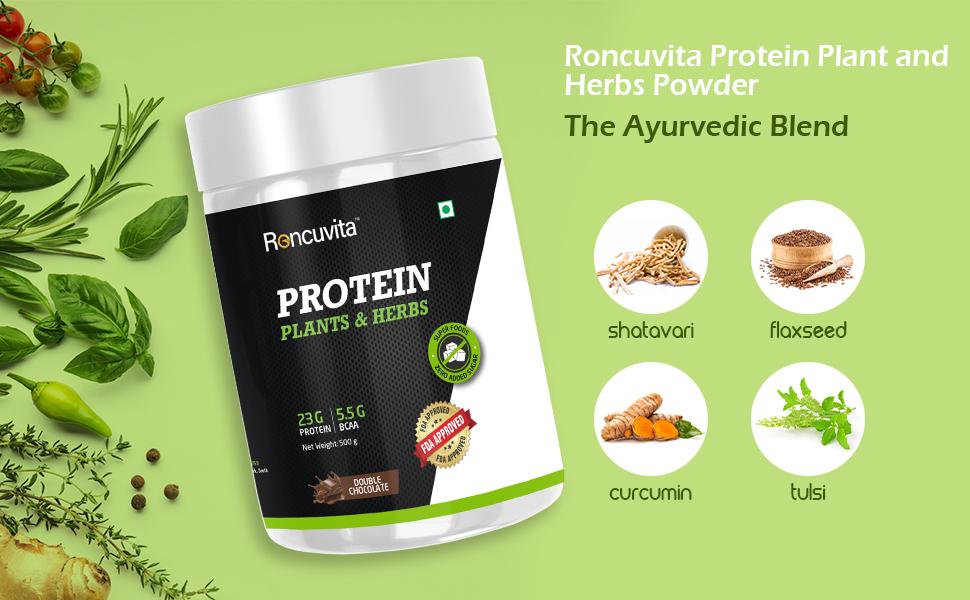
Whey plant protein powder have been the go-to since the weight training blast of the 80s, and cunning advertising has convinced the two competitors and the more extensive populace that plant protein powder is vital (or if nothing else a convenient alternate route) to ideal wellbeing and execution.