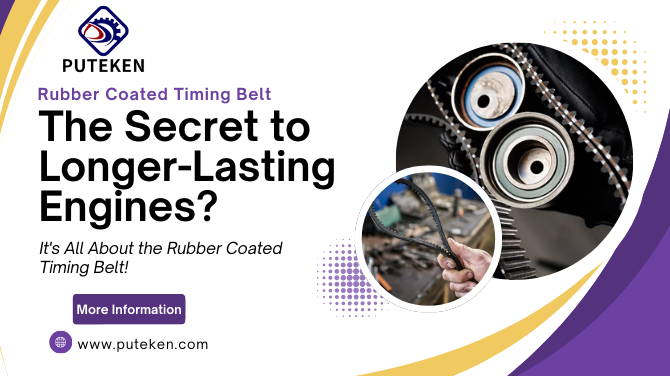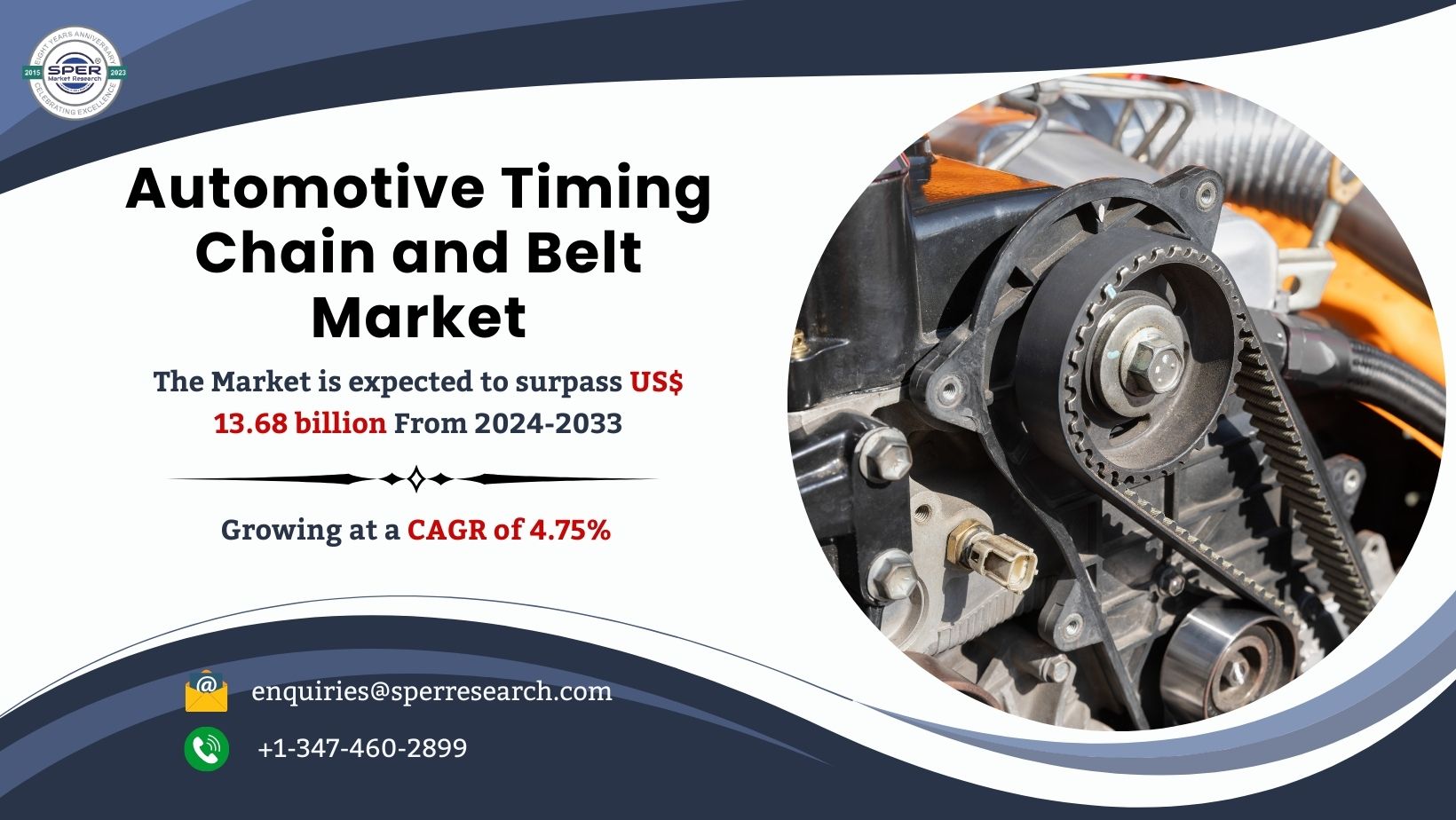


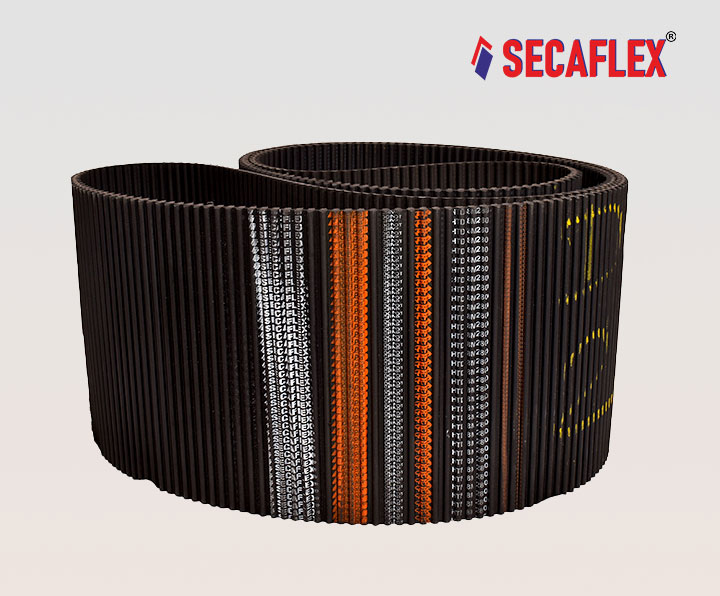
Rubber timing belts are widely used in various industries and applications. In reality, the majority of internal combustion engines in automobiles nowadays employ timing belts comprised of rubber or rubber compounds.
While rubber is immensely popular, it has significant disadvantages. Rubber timing belts are infamous for stretching and breaking fast when exposed to the high temperatures and large amounts of motor oil found in car engine blocks.
However, technology has improved, and several types of temperature-resistant rubber compounds are now used to extend the life of timing belts and enhance their resistance to distortion. Improved rubber compounds and reinforcing fibers give increased strength and traction, which protect the belt from shearing teeth and other damage.
What is a rubber timing belt?
Your timing belt is constructed of rubber and has firm "teeth" that link to gearwheels on the camshafts and crankshaft. In a combustion engine, the camshafts and crankshaft work together to control fuel intake and exhaust emissions. The timing belt keeps the crankshaft and camshafts running in rhythm. If the engine components do not operate together properly, your engine may lose pressure, have poor combustion, and lose power. This can lead to pricey repairs.
Here are the Applications of Rubber Timing Belts
1. Automotive Industry
These timing belts are used in vehicles to control the timing of engine components. Timing belts make sure the camshaft and crankshaft in vehicles move together. This helps the vehicle’s engine to work better and last longer.
2. Textile Industry
In textile mills, rubber timing belts are used in spinning and weaving machines to move their components at the right speed. These belts are useful in making cloth in large quantities without any defects.
3. Packaging Industry
Another application of these timing belts is in the labeling and sealing machines in packaging plants. These belts can increase the speed of work and pack products quickly.
4. Printing Industry
In printing presses, rubber timing belts move paper and printing parts. This accurate movement is needed so that colors and images match perfectly on each sheet.
5. Agricultural Machinery
Timing belts are also used in tractors, harvesters, and other farming machines. These belts are made from durable materials and can handle harsh conditions like dust, rain, and mud.
6. Food Processing Industry
Huge mixers, slicers, and wrapping machines in the food industry run with the help of timing belts. These are made to be clean and strong, so they can be used around food without getting damaged easily.
7. Pharmaceutical Industry
Pharmaceutical machines need to be very precise and clean. Rubber timing belts help control filling, packaging, and labeling machines in medicine factories. Because these belts do not slip, medicines are made and packed with high accuracy and safety.
8. Robotics
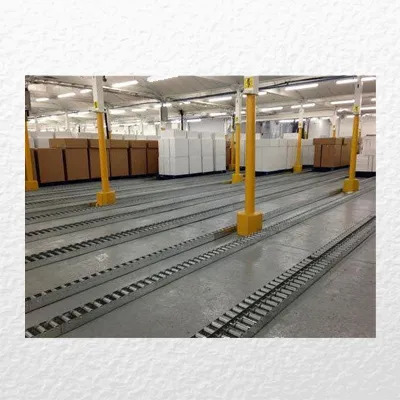
Many robots in factories and warehouses use timing belts to control their arms and movements. The belts make sure each part moves the right way and stops in the right place, which is very important when robots work with delicate items or need to be very fast.
Conclusion
If you require heavy-duty conveyor belts or rubber timing belts for your industrial operations, call DKTEE. Our belting materials are sourced from a variety of reputable industry sources. We also go above and beyond to guarantee that each product we provide is of high quality and suitable for use in your equipment. For further information, please visit our website or call us.