

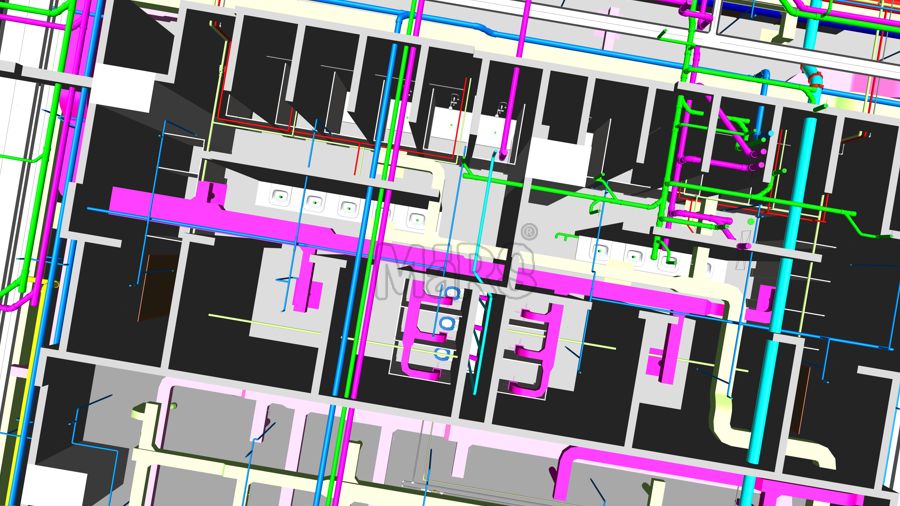
In the realm of construction, where every detail matters and precision is paramount, the concept of MEP Coordination holds significant importance. But what exactly is MEP Coordination, and why is it crucial for the success of building projects? In this comprehensive guide, we'll delve into the intricacies of MEP Coordination Explanation, exploring its definition, process, benefits, and its indispensable role in modern construction practices.
What is MEP Coordination?
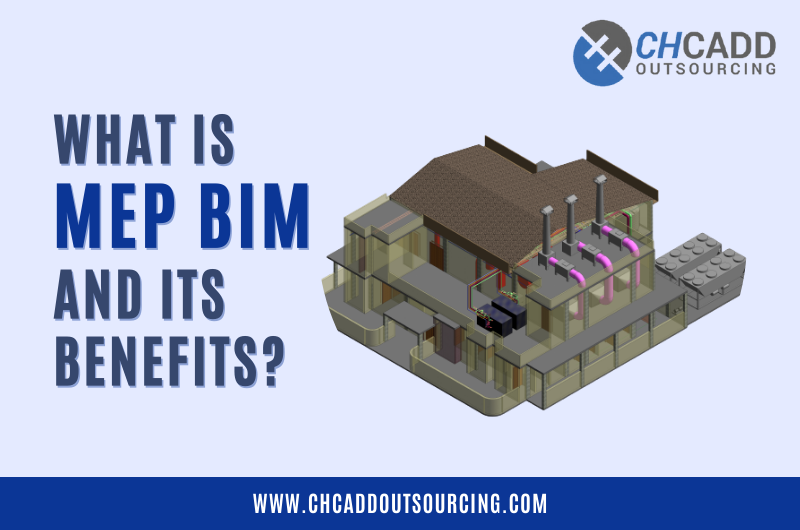
MEP Coordination, short for Mechanical, Electrical, and Plumbing Coordination, is the process of integrating these crucial building systems seamlessly and efficiently. Mechanical systems encompass heating, ventilation, and air conditioning (HVAC), while electrical systems include lighting, power distribution, and fire alarm systems. Plumbing systems involve water supply, drainage, and sanitary fixtures. MEP Coordination ensures that these systems work harmoniously within a building, maximizing functionality, efficiency, and occupant comfort.
The MEP Coordination Process:
- Initial Planning: The process begins during the initial planning stages of a construction project. Architects, engineers, and MEP Coordinators collaborate to establish the layout and design of MEP systems, considering factors such as building codes, space constraints, and energy efficiency requirements.
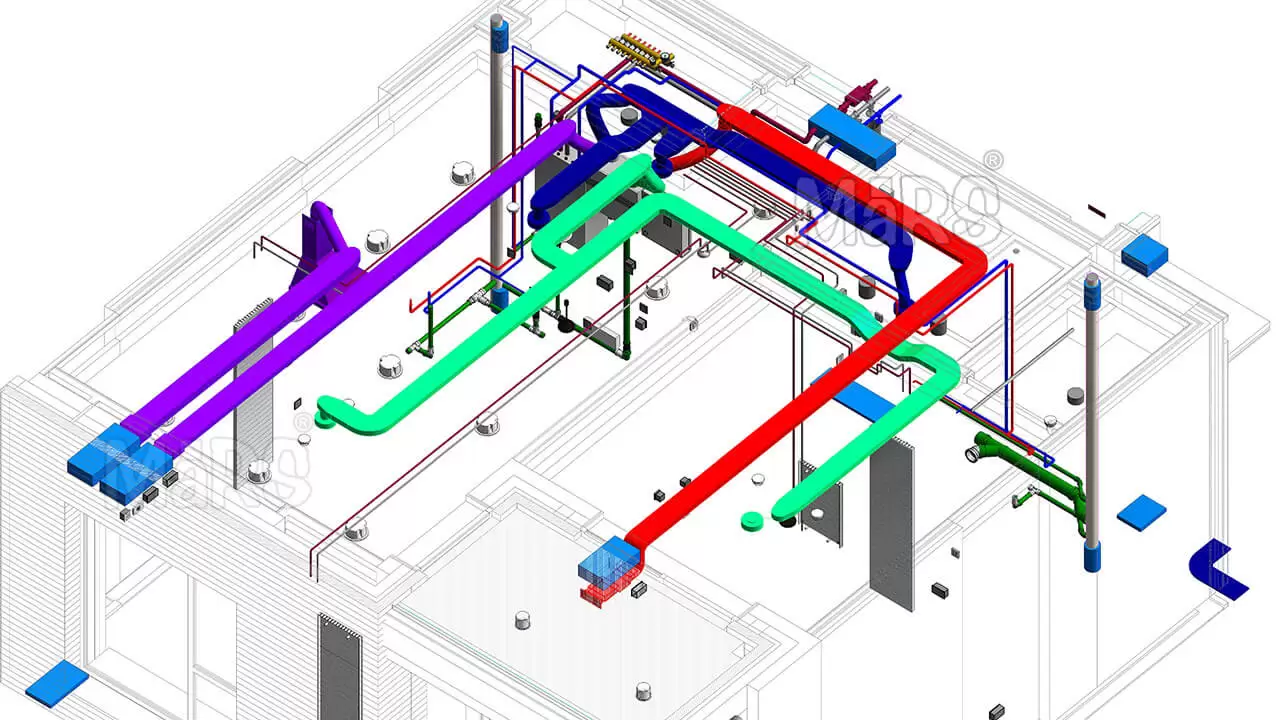
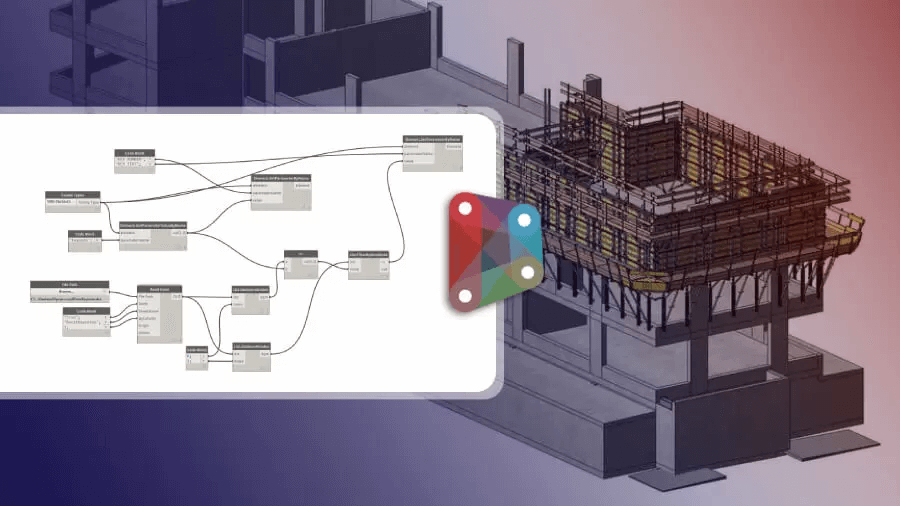
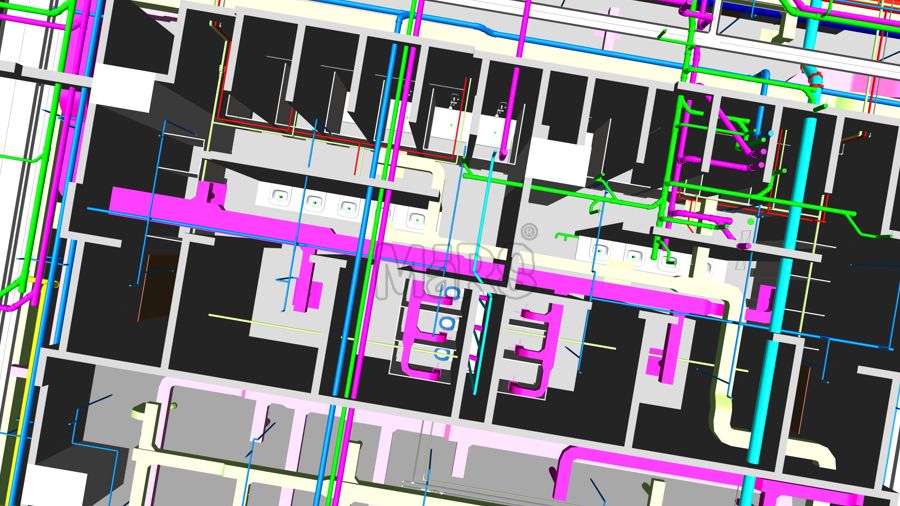
- Building Information Modeling (BIM): Central to MEP Coordination is the use of Building Information Modeling (BIM). BIM software allows MEP Coordinators to create detailed 3D models of mechanical, electrical, and plumbing systems. These models provide a visual representation of the building's infrastructure, enabling stakeholders to identify potential clashes and conflicts before construction begins.
- Clash Detection and Resolution: Using BIM, MEP Coordinators analyze the 3D models to identify clashes and conflicts between MEP systems, structural elements, and architectural features. By detecting these issues early on, they can resolve them proactively, preventing costly rework and delays during the construction phase.
- Collaboration and Communication: MEP Coordinators facilitate collaboration among architects, engineers, contractors, and subcontractors throughout the project lifecycle. Clear communication and coordination ensure that everyone is aligned with the project goals and timelines, minimizing errors and maximizing efficiency.
- Optimization and Efficiency: Through careful planning and coordination, MEP Coordinators optimize the design and installation of MEP systems to maximize efficiency and performance. They consider factors such as energy consumption, sustainability, and occupant comfort, ensuring that the building meets the highest standards of quality and functionality.
Benefits of MEP Coordination:
- Reduced Costs: By detecting and resolving conflicts early on, MEP Coordination helps minimize costly rework and change orders during construction.
- Shortened Project Timelines: Efficient coordination streamlines workflows and reduces construction delays, allowing projects to be completed on time and within budget.
- Enhanced Quality and Performance: Optimized MEP systems ensure optimal functionality, energy efficiency, and occupant comfort, enhancing the overall quality of the building.
- Improved Safety: Proper coordination of MEP systems reduces the risk of accidents and hazards during construction and occupancy.
- Minimized Disruptions: MEP Coordination helps minimize disruptions during construction by identifying potential conflicts and resolving them before they impact the construction schedule. This leads to smoother project execution and fewer interruptions to ongoing work, ultimately saving time and reducing frustration for all involved parties.
- Enhanced Aesthetic Appeal: Proper coordination of MEP systems allows for more efficient use of space within a building, leading to cleaner and more aesthetically pleasing designs. By integrating MEP elements seamlessly into the architectural framework, MEP Coordination contributes to the overall visual appeal of the building, creating a more attractive and inviting environment for occupants.
- Optimized Resource Utilization: Through careful planning and coordination, MEP Coordinators can optimize the use of materials, equipment, and labor resources. By eliminating unnecessary redundancies and optimizing workflows, MEP Coordination helps minimize waste and maximize resource efficiency, leading to cost savings and environmental sustainability.
- Improved Maintenance and Operations: Well-coordinated MEP systems are easier to maintain and operate, resulting in lower long-term maintenance costs and improved operational efficiency. By ensuring that MEP components are installed correctly and function as intended, MEP Coordination reduces the risk of system failures and downtime, enhancing the overall reliability and performance of the building.
- Compliance with Regulations: MEP Coordination ensures that building systems comply with relevant codes, standards, and regulations. By proactively addressing compliance issues during the design and planning stages, MEP Coordinators help mitigate risks and liabilities associated with non-compliance, ensuring that the building meets all necessary safety and regulatory requirements.
The Indispensable Role of MEP Coordination:
In today's construction landscape, where buildings are becoming increasingly complex and technologically advanced, MEP Coordination plays a vital role in ensuring project success. From enhancing efficiency and reducing costs to improving quality and performance, MEP Coordination is the linchpin that holds the entire construction process together. By embracing this essential practice and leveraging the power of Building Information Modeling, construction professionals can navigate the complexities of MEP systems with confidence, delivering exceptional results in every project.
In summary, MEP Coordination offers a wide range of benefits that extend far beyond the construction phase. From cost savings and efficiency improvements to enhanced safety and compliance, MEP Coordination plays a critical role in ensuring the success and sustainability of building projects in today's complex and dynamic construction industry.