Radon gas is a silent intruder in many homes, posing significant health risks to families. The need for radon mitigation has given rise to a specialized field of professionals dedicated to reducing radon levels in homes. However, these radon professionals don't work in isolation. They often collaborate closely with other home improvement experts to ensure that homes are not only safe from radon but also well-maintained and efficient in other respects. This article delves into the essential partnerships between radon professionals and various home improvement experts, highlighting how their combined efforts contribute to creating safer and healthier living environments.
Understanding Radon and Its Risks
Before exploring the collaborative efforts of radon professionals and other home improvement experts, it's crucial to understand what radon is and why it's dangerous. Radon is a naturally occurring radioactive gas that can seep into homes through cracks and gaps in the foundation. Prolonged exposure to high levels of radon gas is the second leading cause of lung cancer after smoking, according to the Environmental Protection Agency (EPA). Therefore, mitigating radon levels is a critical aspect of maintaining a healthy home.
The Role of Radon Professionals
Radon professionals are trained and certified experts who specialize in testing and mitigating radon gas levels in residential and commercial properties. Their primary responsibilities include:
- Conducting radon tests to determine the concentration of radon gas in indoor air.
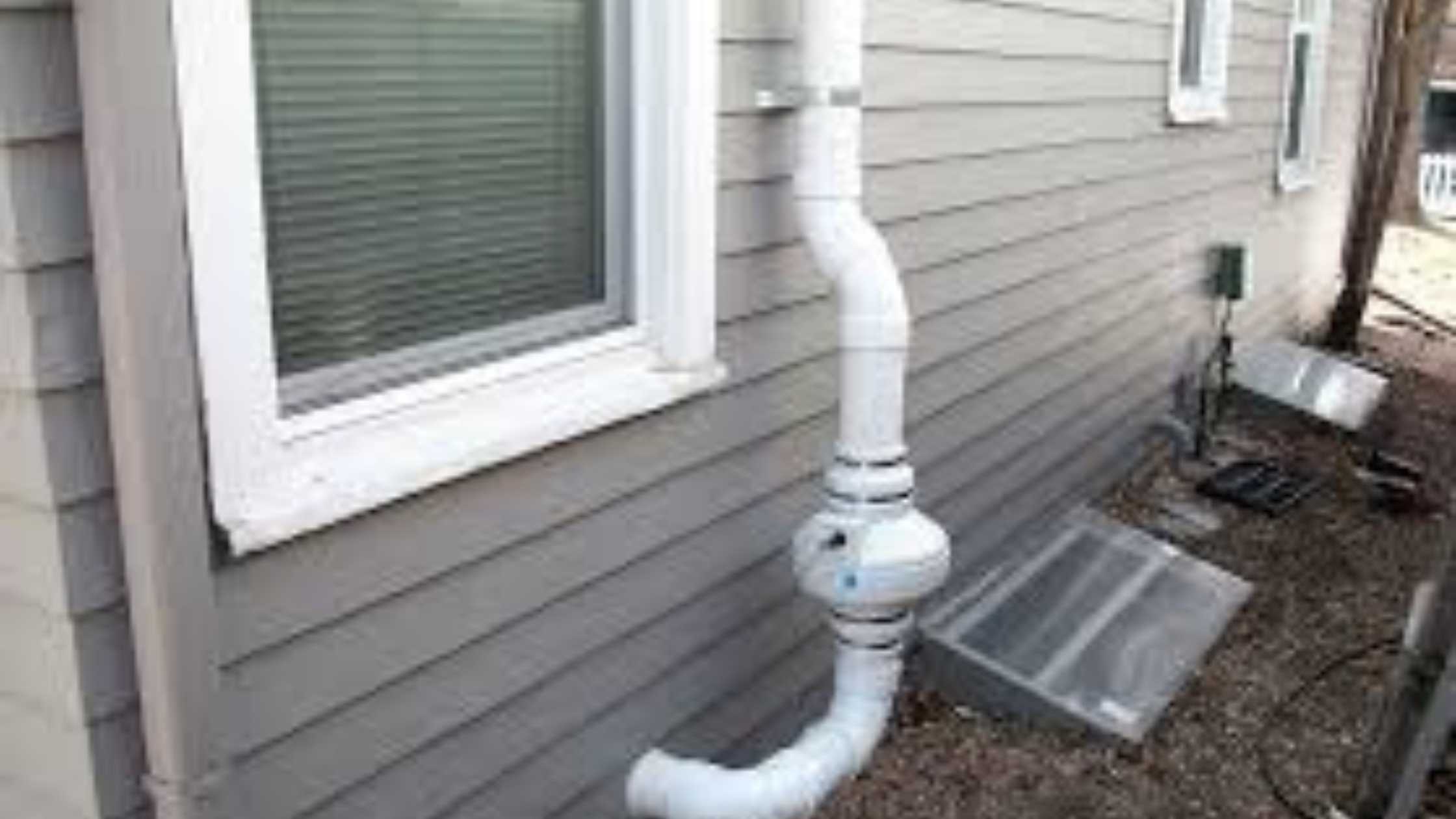
- Installing radon mitigation systems to reduce radon levels.
- Performing post-mitigation testing to ensure the effectiveness of installed systems.
- Educating homeowners about radon risks and prevention methods.
Collaborating with Home Inspectors
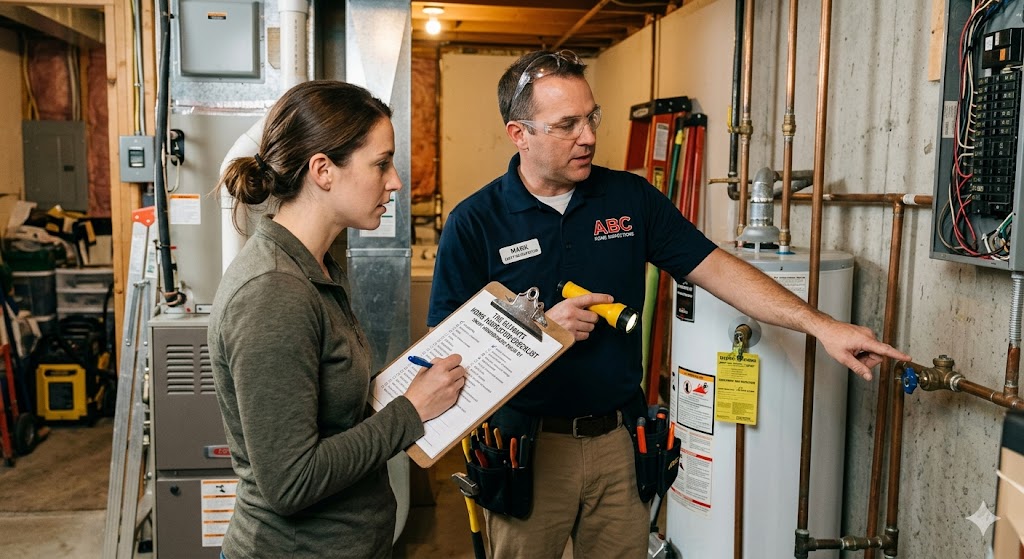
Home inspectors play a pivotal role in the home buying and selling process, providing a comprehensive evaluation of a property's condition. Given that radon testing is a standard part of many home inspections, radon professionals often work closely with home inspectors. This collaboration ensures that potential buyers are aware of any radon issues and can make informed decisions.
How They Work Together
- Initial Inspection: Home inspectors typically recommend radon testing during their evaluations. If high radon levels are detected, they refer homeowners to certified radon professionals.
- Mitigation and Follow-up: After the initial detection, radon professionals install the necessary mitigation systems and conduct follow-up tests to confirm the effectiveness of the solution.
Partnering with HVAC Specialists
Heating, ventilation, and air conditioning (HVAC) systems play a crucial role in indoor air quality, which directly impacts radon levels. HVAC specialists and radon professionals often collaborate to optimize air circulation and pressure, reducing the accumulation of radon gas.
How They Work Together
- System Design: Radon professionals consult with HVAC specialists to design mitigation systems that integrate seamlessly with existing HVAC systems.
- Installation: During installation, HVAC specialists may assist in modifying ductwork or installing additional ventilation components to ensure the radon mitigation system operates efficiently.
- Maintenance: Regular maintenance of HVAC systems is crucial for maintaining low radon levels, making ongoing collaboration between these professionals essential.
Engaging with Construction and Remodeling Contractors
Construction and remodeling projects can significantly impact a home's radon levels, particularly if they involve changes to the foundation or basement. Construction and remodeling contractors often engage with radon professionals to ensure that new constructions or renovations include radon-resistant features.
How They Work Together
- Pre-construction Consultation: Before starting a project, contractors consult with radon professionals to assess radon risks and incorporate mitigation strategies into the design.
- During Construction: Radon professionals may be present during critical phases of construction to oversee the installation of radon barriers and ventilation systems.
- Post-construction Testing: Once construction is complete, radon professionals conduct tests to ensure that the new or remodeled areas are free from elevated radon levels.
Collaborating with Real Estate Agents
Real estate agents play a significant role in raising awareness about radon risks among buyers and sellers. Real estate agents often work with radon professionals to provide accurate information and ensure that properties are safe for new occupants.
How They Work Together
- Buyer Education: Real estate agents educate buyers about the importance of radon testing and mitigation, often recommending radon professionals for testing services.
- Negotiations: If radon is detected during a property inspection, agents facilitate negotiations between buyers and sellers, often involving radon professionals to provide estimates for mitigation.
- Closing Process: Ensuring that radon mitigation measures are in place before closing is essential, requiring coordination between agents and radon professionals.
Synergy with Plumbers and Electricians
Plumbing and electrical systems can influence radon mitigation efforts. Plumbers and electricians frequently collaborate with radon professionals to ensure that mitigation systems are correctly integrated with a home's existing infrastructure.
How They Work Together
- System Integration: Plumbers may need to adjust piping to accommodate radon mitigation systems, while electricians ensure that electrical components are safely installed.
- Troubleshooting: If issues arise with the mitigation system, plumbers and electricians work alongside radon professionals to diagnose and resolve problems efficiently.
Joining Forces with Environmental Consultants
Environmental consultants provide expertise on a broad range of environmental health and safety issues, including radon. They often collaborate with radon professionals to develop comprehensive solutions for complex cases.
How They Work Together
- Site Assessment: Environmental consultants conduct detailed assessments of properties to identify radon risks and recommend mitigation strategies.
- Holistic Solutions: They work with radon professionals to create holistic plans that address radon as part of broader environmental health initiatives.
Teaming Up with Homeowners’ Associations
Homeowners’ associations (HOAs) play a crucial role in maintaining community standards and ensuring residents' safety. HOAs often collaborate with radon professionals to promote radon awareness and facilitate community-wide mitigation efforts.
How They Work Together
- Community Education: HOAs organize educational sessions with radon professionals to inform residents about radon risks and mitigation options.
- Bulk Testing and Mitigation: HOAs may negotiate group rates for radon testing and mitigation, coordinating with radon professionals to implement these services community-wide.
Integrating with Interior Designers
Interior designers focus on creating aesthetically pleasing and functional living spaces. While their primary concern is not radon, they often collaborate with radon professionals to ensure that mitigation systems are discreetly integrated into the home’s design.
How They Work Together
- Aesthetic Integration: Interior designers work with radon professionals to hide mitigation system components without compromising the home's visual appeal.
- Space Planning: Designers ensure that the placement of mitigation systems does not interfere with the overall layout and functionality of living spaces.
Collaborating with Energy Auditors
Energy efficiency and radon mitigation are interconnected. Energy auditors assess a home's energy usage and identify areas for improvement, often collaborating with radon professionals to enhance overall air quality and energy efficiency.
How They Work Together
- Comprehensive Assessments: Energy auditors and radon professionals conduct joint assessments to evaluate both radon levels and energy efficiency.
- Integrated Solutions: They develop integrated solutions that address both energy consumption and radon mitigation, ensuring a healthier and more efficient home environment.
The Impact of Collaboration on Home Safety and Value
The collaboration between radon professionals and other home improvement experts has a profound impact on both home safety and value. By working together, these professionals ensure that homes are not only free from dangerous radon levels but also well-maintained, energy-efficient, and aesthetically pleasing. This holistic approach enhances the overall living experience for homeowners and can significantly increase property values.
Conclusion
The fight against radon requires a team effort. Radon professionals play a crucial role in detecting and mitigating this dangerous gas, but their work is most effective when done in collaboration with other home improvement experts. From home inspectors to HVAC specialists, construction contractors to real estate agents, and beyond, these partnerships ensure that homes are safe, healthy, and comfortable for all occupants. By understanding the synergy between these professionals, homeowners can better appreciate the comprehensive efforts that go into maintaining a safe living environment and take proactive steps to protect their homes and families.

Buying or maintaining a home is one of the biggest investments you’ll ever make. While a property may appear flawless during a walkthrough, hidden issues can quickly turn your dream home into a fin