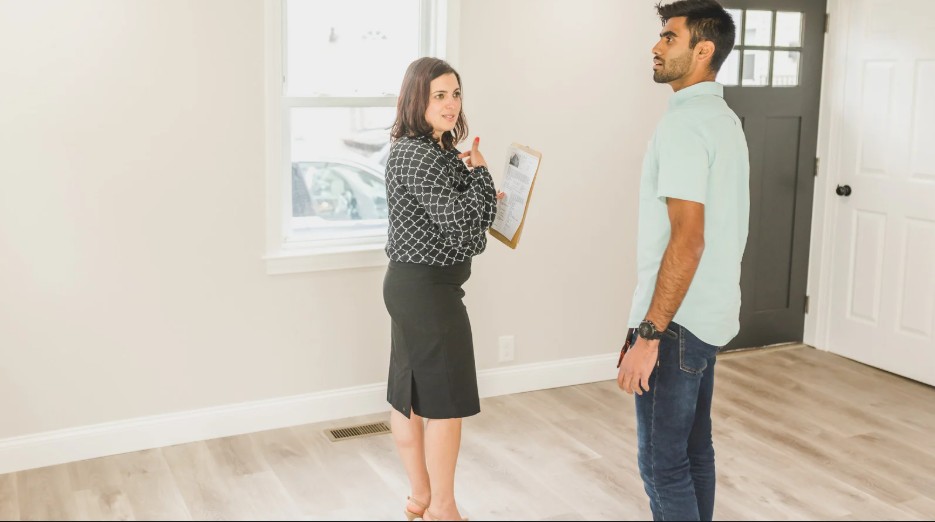
Buying or maintaining a home is one of the biggest investments you’ll ever make. While a property may appear flawless during a walkthrough, hidden issues can quickly turn your dream home into a financial nightmare. That’s why smart homeowners never skip a detailed home inspection.
A professional inspection helps uncover problems before they become expensive repairs. More importantly, it gives homeowners confidence, peace of mind, and negotiating power during the buying process.
Whether you’re purchasing your first home, preparing to sell, or simply protecting your investment, this comprehensive guide covers the ultimate home inspection checklist smart homeowners swear by.
Why a Home Inspection Matters More Than Ever
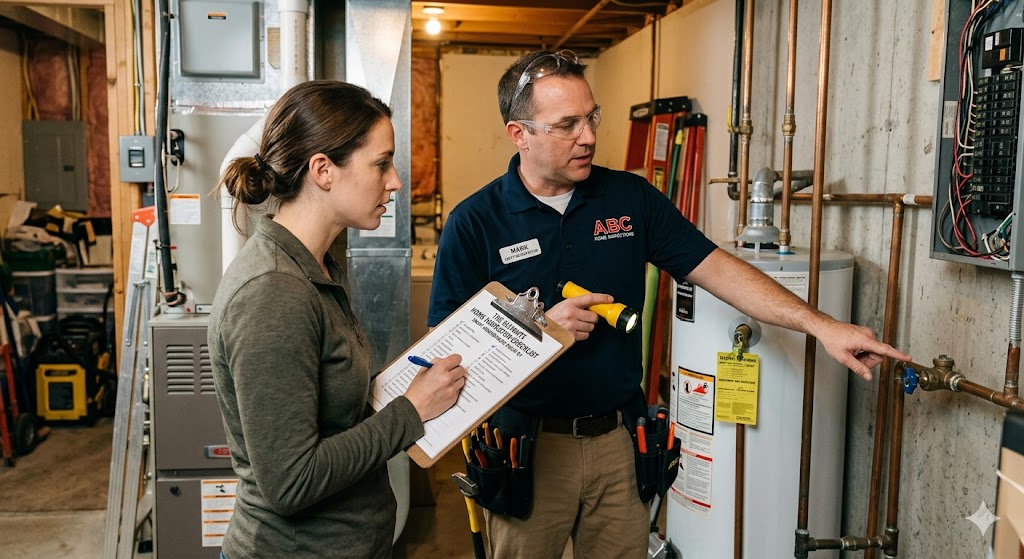
A home inspection is a detailed evaluation of a property’s condition. It identifies visible and hidden issues involving safety, structure, systems, and maintenance concerns.
A proper inspection can help you:
- Avoid unexpected repair costs
- Identify safety hazards
- Negotiate repairs or pricing
- Plan future maintenance
- Protect long-term property value
Many homeowners regret skipping this critical step because some problems remain invisible until serious damage occurs.
1. Exterior Inspection Checklist
The outside of a home is your first line of defense against weather and structural damage.
Check the Roof Carefully
The roof protects everything underneath it, so even small issues can become costly over time.
Look for:
- Missing or curling shingles
- Sagging roof areas
- Signs of water pooling
- Damaged flashing around chimneys and vents
- Moss or algae growth
Why it matters
Roof damage can lead to:
- Interior leaks
- Mold growth
- Structural decay
- Ceiling damage
Inspect Gutters and Downspouts
Proper drainage is essential for protecting the home’s foundation.
Watch for:
- Clogged gutters
- Loose downspouts
- Rust or corrosion
- Water draining too close to the house
Poor drainage can cause basement flooding and foundation movement.
Examine Siding and Exterior Walls
Exterior walls often reveal hidden problems.
Check for:
- Cracks or warping
- Rotting wood
- Loose siding panels
- Peeling paint
- Moisture stains
These signs may indicate water intrusion or structural concerns.
2. Foundation and Structural Inspection Checklist
A strong foundation is essential for the stability of the entire home.
Inspect Foundation Walls
Warning signs include:
- Horizontal cracks
- Large vertical cracks
- Bowing basement walls
- Water seepage
Why it matters
Foundation repairs are among the most expensive home repairs homeowners face.
Check Floors and Ceilings
Uneven floors and ceiling cracks may suggest structural shifting.
Look for:
- Sloping floors
- Soft spots under flooring
- Ceiling sagging
- Cracks around doors and windows
3. Plumbing Inspection Checklist
Hidden plumbing issues can silently damage a home for years.
Inspect Pipes and Fixtures
Check for:
- Water leaks under sinks
- Corroded pipes
- Low water pressure
- Slow drains
Even minor leaks can lead to mold growth and structural damage.
Examine Water Heater Condition
Water heaters are often overlooked during inspections.
Look for:
- Rust around the tank
- Water pooling underneath
- Strange noises
- Inconsistent hot water
Replacing a failing water heater early can prevent flooding and costly water damage.
4. Electrical System Inspection Checklist
Electrical problems are one of the most dangerous issues inspectors uncover.
Inspect the Electrical Panel
Watch for:
- Overloaded breakers
- Burn marks
- Improper wiring
- Missing labels
Why it matters
Faulty electrical systems can increase the risk of house fires.
Test Outlets and Switches
Look for:
- Non-working outlets
- Flickering lights
- Loose switches
- Warm outlet covers
These signs may indicate outdated or unsafe wiring.
5. HVAC System Inspection Checklist
Heating and cooling systems affect comfort, energy efficiency, and indoor air quality.
Inspect Heating and Cooling Equipment
Check for:
- Dirty air filters
- Unusual noises
- Uneven temperatures
- Leaking ducts
Poor HVAC maintenance can reduce system lifespan and increase utility costs.
Check Ventilation Systems
Proper airflow helps prevent moisture buildup and mold growth.
Look at:
- Bathroom exhaust fans
- Dryer vents
- Attic ventilation
- Air return systems
6. Mold and Moisture Inspection Checklist
Moisture is one of the most destructive problems in any home.
Watch for Mold Warning Signs
Common indicators include:
- Musty odors
- Discolored walls or ceilings
- Peeling paint
- Damp basement areas
Why it matters
Mold can affect both health and structural integrity.
Exposure may lead to:
- Allergies
- Respiratory irritation
- Asthma flare-ups
- Persistent headaches
7. Radon Testing Checklist
One of the smartest things homeowners can do is test for radon.
Why Radon Testing Matters
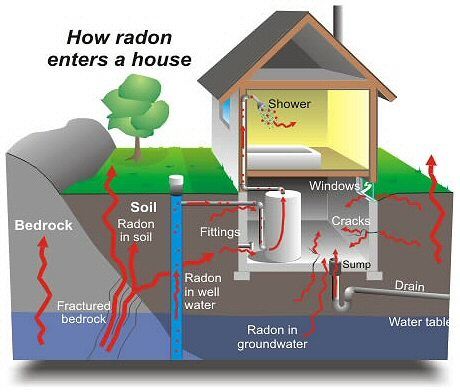
Radon is an invisible radioactive gas that enters homes through cracks in the foundation.
Important facts:
- It has no smell or color
- It can build up indoors
- Long-term exposure increases lung cancer risk
- Areas most at risk:
- Basements
- Crawl spaces
- Lower-level rooms
Many smart homeowners insist on radon testing during every inspection because the danger is impossible to detect without specialized equipment.
8. Pest and Termite Inspection Checklist
Pests can quietly destroy a home before visible signs appear.
Inspect for Pest Activity
Look for:
- Termite mud tubes
- Rodent droppings
- Chewed wood or wires
- Hollow-sounding wood
Why it matters
Termites and rodents can cause:
- Structural weakening
- Fire hazards from damaged wiring
- Insulation contamination
9. Interior Inspection Checklist
The inside of a home often reveals clues about hidden issues.
Inspect Walls, Doors, and Windows
Check for:
- Cracks in drywall
- Doors that stick
- Foggy windows
- Water stains
These issues can point to moisture problems or foundation movement.
Examine Flooring Carefully
Watch for:
- Warped flooring
- Loose tiles
- Soft spots
- Uneven surfaces
Flooring issues may indicate water damage underneath.
10. Kitchen Inspection Checklist
The kitchen contains several major systems that need careful evaluation.
Inspect Appliances and Plumbing
Check:
- Dishwasher operation
- Sink drainage
- Refrigerator water lines
- Stove ventilation systems
Why it matters
Kitchen leaks are a major source of hidden mold and cabinet damage.
11. Bathroom Inspection Checklist
Bathrooms are high-moisture environments where hidden damage often develops.
Look for Moisture Problems
Inspect for:
- Loose tiles
- Mold around tubs or showers
- Poor ventilation
- Soft flooring near toilets
Why it matters
Bathroom leaks can silently spread behind walls and beneath flooring.
12. Attic Inspection Checklist
The attic often reveals roofing, insulation, and ventilation problems.
Inspect Attic Conditions
Check for:
- Water stains
- Poor insulation coverage
- Pest nests
- Inadequate airflow
Hidden dangers include:
- Roof leaks
- Heat loss
- Mold growth
- Structural rot
13. Garage Inspection Checklist
Garages may contain overlooked safety hazards.
Inspect Garage Safety Features
Look for:
- Proper garage door operation
- Fire-rated walls
- Electrical hazards
- Water intrusion
Why it matters
Garages often store flammable materials, making safety inspections essential.
14. Sewer and Drainage Inspection Checklist
Drainage issues can become expensive disasters if ignored.
Inspect Drainage Around the Property
Watch for:
- Standing water near the foundation
- Slow sewer drains
- Basement moisture
- Yard erosion
Poor drainage can damage foundations and landscaping over time.
15. Safety Inspection Checklist
Smart homeowners always prioritize safety during inspections.
Test Safety Devices
Check:
- Smoke detectors
- Carbon monoxide detectors
- Stair railings
- Emergency exits
Why it matters
Simple safety upgrades can save lives during emergencies.
How Smart Homeowners Use Inspection Reports
The smartest homeowners don’t just receive inspection reports—they use them strategically.
- What to do after the inspection
- Prioritize major repairs
- Request seller concessions
- Plan maintenance budgets
Schedule specialist evaluations if needed
An inspection report is not a reason to panic. It’s a roadmap for informed decision-making.
Common Home Inspection Mistakes to Avoid
Even experienced buyers sometimes make avoidable errors.
Avoid these common mistakes
- Skipping radon testing
- Ignoring small warning signs
- Rushing through reports
- Choosing the cheapest inspector
- Assuming new homes are problem-free
A thorough inspection today can prevent years of stress later.
Conclusion: The Smartest Investment Is Knowledge
A home may look beautiful during a showing, but appearances can be deceiving. Hidden problems involving plumbing, roofing, mold, electrical systems, or radon exposure can quickly turn a dream purchase into an expensive burden.
That’s why smart homeowners rely on a complete home inspection checklist before making major decisions. Many also turn to specialists like https://www.omaharadonpros.com/ to identify dangerous radon levels that often go unnoticed during a standard walkthrough.
The more thoroughly you inspect a home, the more confidently you can move forward—whether you’re buying, selling, or protecting the property you already own.
In the end, the smartest homeowners understand one simple truth: a careful inspection today can save thousands of dollars tomorrow.