


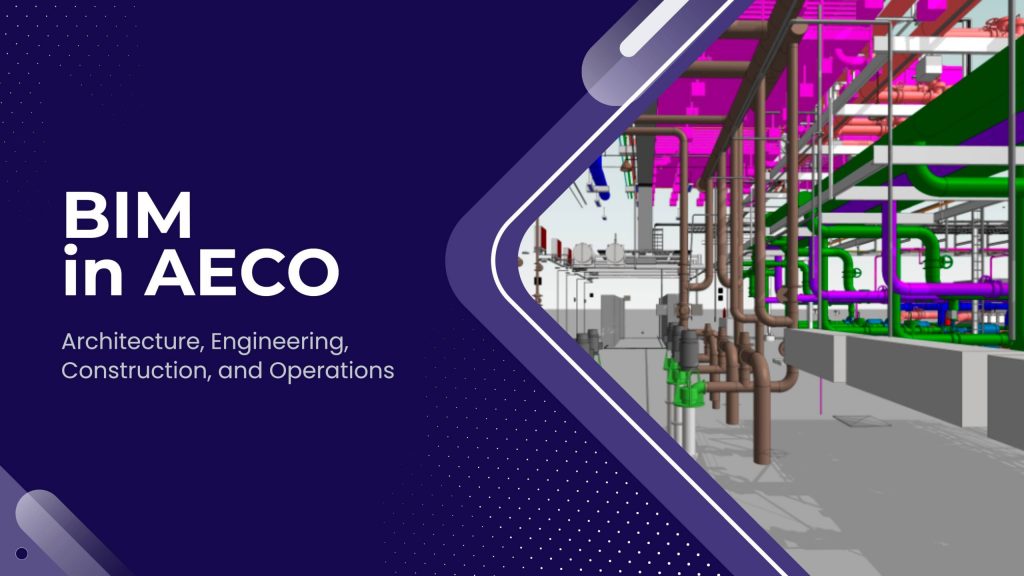
The Architecture, Engineering, Construction, and Operations (AECO) industry has undergone significant transformations with the advent of Building Information Modelling (BIM). BIM has revolutionized how projects are planned, designed, constructed, and maintained, ensuring greater efficiency, accuracy, and collaboration among all stakeholders. This blog delves into the various uses and applications of BIM in the AECO sector, highlighting its impact on the industry's future.
Improved Collaboration and Communication
BIM enhances communication and collaboration among architects, engineers, contractors, and facility managers by providing a shared digital platform for data exchange and visualization. This facilitates a better understanding of project requirements, reduces misunderstandings, and streamlines the construction process.
Enhanced Design and Visualization
BIM allows architects and engineers to plan and visualize projects more accurately, enabling them to identify potential issues early on and make necessary adjustments.
Cost Savings and Efficiency
BIM reduces costs by optimizing resource allocation, minimizing errors, and improving project management. It also enables the creation of detailed 3D models, which can be used for energy analysis, material evaluation, and waste reduction, leading to more sustainable structures.
Compliance and Sustainability
BIM ensures compliance with regulations by providing a centralized repository for all project-related files and data. Additionally, it contributes to creating greener, more efficient structures through energy analysis and material evaluation.
Operations and Maintenance
BIM Facility Management integrates people, spaces, processes, and technologies to ensure the optimal performance of buildings and infrastructure. It manages work orders, provides the functionality of building environments, and contracts products and services for maintenance and conservation.
Related blog: BIM In AECO
Beyond BIM: Emerging Technologies
While BIM has been a significant game-changer in the AECO industry, emerging technologies like Artificial Intelligence (AI), Digital Twins, and the Internet of Things (IoT) are poised to transform the sector further. These innovations will enhance BIM capabilities, enabling more efficient project management, improved data analysis, and enhanced collaboration.
Conclusion
BIM has revolutionized the AECO industry by improving collaboration, design, visualization, cost savings, quality of construction and operations, and sustainability. As the industry evolves, integrating emerging technologies will further enhance BIM's capabilities, driving greater efficiency and innovation.

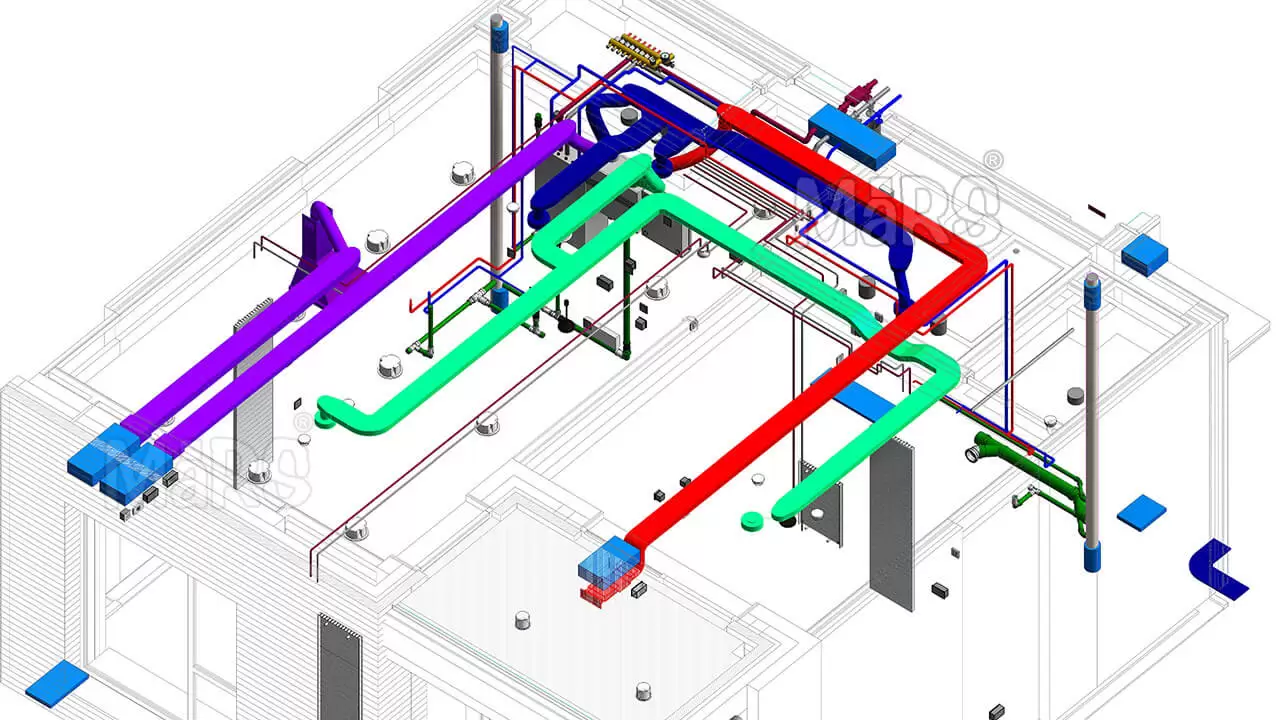
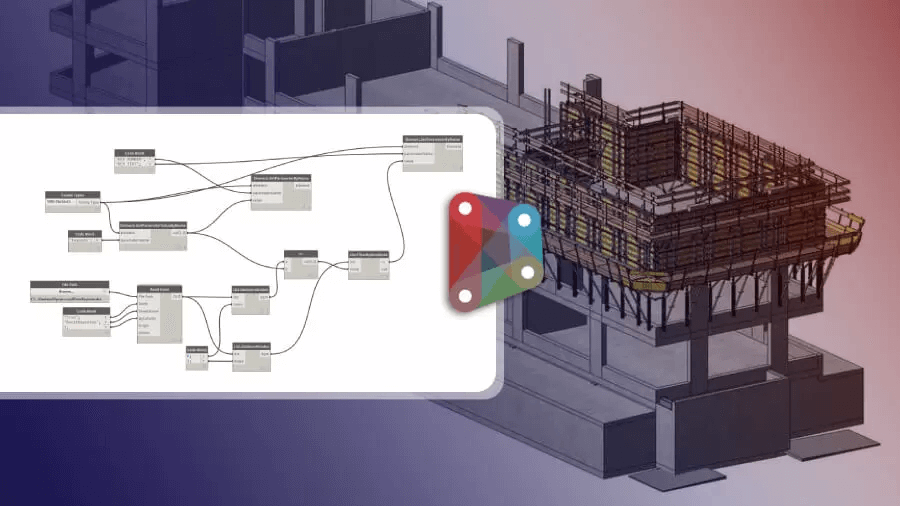
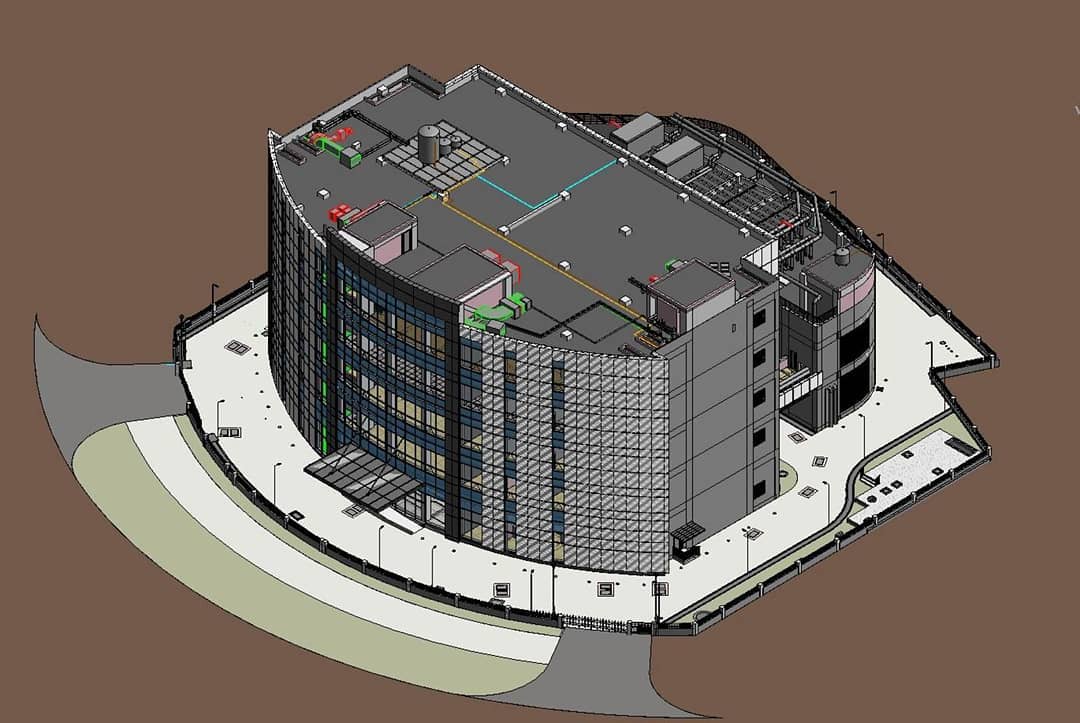
TrueCADD is Professional BIM consulting firm in India. The decade of experience in BIM implementation services and BIM execution planning (BEP) to help construction industry as well as architects, engineers, consultant and engineers for BIM execution plan and BIM modeling in building construction. As we are leading firm of BIM consulting, we aid to our valuable clients with a seamless transition from traditional 2D CAD and paper-based workflows to rapid virtual prototype allowed by effective 3D BIM models using Revit, without a lot of blunt investments.
Our exclusive BIM consulting services embraces
- Offshore BIM Team
- BIM Implementation
- BIM Project Integration
- Coordination among trades
- Clash detection & resolution
- 3D Visualization
- BIM Execution Planning (BEP)
- BIM Training
- Material take-off/ Quantity Estimation
- Model Template creation
- BIM Model Auditing
- BIM Content creation