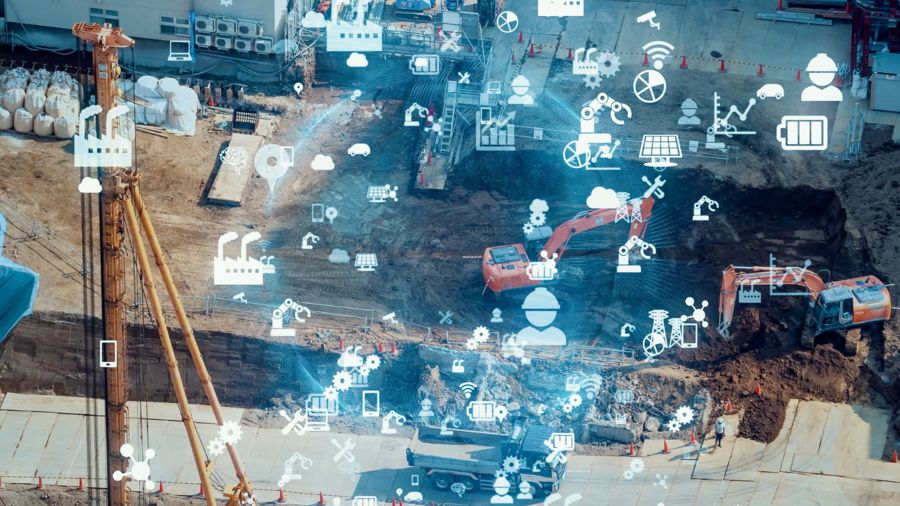
Building Information Modeling (BIM) is revolutionizing various aspects of the architecture, engineering, and construction (AEC) industries. Its integration into facility management, however, is where its potential truly shines, offering a comprehensive approach to managing building operations efficiently. This blog explores how BIM integration enhances facility management, leading to optimized operations, improved maintenance, and substantial cost savings.
What is BIM?
Building Information Modeling (BIM) is a digital representation of the physical and functional characteristics of a facility. This intelligent model provides a shared knowledge resource for information about a facility, forming a reliable basis for decisions during its lifecycle, from inception onward.
The Role of BIM in Facility Management
BIM serves as a centralized platform for storing and managing building data, making it an invaluable tool for facility managers. It encompasses everything from architectural details to mechanical, electrical, and plumbing (MEP) systems, enabling a holistic approach to facility management.
Related blog: BIM Enhancing The Process Of Facility Management
Key Benefits of BIM Integration in Facility Management
Centralized Data Management
- Comprehensive Information Repository: BIM stores all building data in a single, accessible model, ensuring facility managers have up-to-date information at their fingertips.
- Efficient Data Retrieval: Quick access to accurate data about building systems, materials, and layouts streamlines decision-making and reduces downtime.
Enhanced Maintenance Planning
- Preventive Maintenance Scheduling: BIM can integrate with maintenance management systems to monitor the condition of building components, allowing for proactive maintenance scheduling.
- Detailed Asset Information: Facility managers can track the lifecycle of assets, including installation dates, maintenance records, and warranty details, helping extend their lifespan and avoid unexpected failures.
Optimized Space Management
- Accurate Space Utilization: BIM provides precise data on space usage, helping facility managers optimize layouts and ensure compliance with regulatory requirements.
- Flexible Scenario Planning: Facility managers can visualize potential reconfigurations and plan space adjustments to accommodate changing needs without major disruptions.
Cost Efficiency
- Operational Savings: By reducing the time and effort required to manage building information, BIM lowers operational costs.
- Energy Optimization: Integration with building management systems (BMS) allows for real-time monitoring and optimization of energy usage, leading to significant cost savings and improved sustainability.
Improved Collaboration
- Stakeholder Coordination: BIM facilitates better communication among facility managers, maintenance teams, and external contractors by providing a shared platform for information.
- Integrated Workflows: Seamless integration with other facility management tools, such as Computerized Maintenance Management Systems (CMMS) and Enterprise Resource Planning (ERP) systems, ensures a smooth workflow.
Practical Applications of BIM in Facility Management
Maintenance Management
BIM allows for the creation of detailed maintenance schedules based on real-time data from sensors and building systems. This proactive approach ensures timely maintenance and reduces the risk of costly repairs.
Renovations and Retrofits
Before embarking on renovation projects, facility managers can use BIM to assess existing conditions and plan modifications accurately. This minimizes disruptions and ensures projects are completed efficiently.
Emergency Preparedness
In emergencies, BIM provides critical information about building layouts, including the location of emergency exits, fire suppression systems, and utility shut-offs. This improves response times and enhances safety.
Sustainability and Energy Management
BIM supports sustainability initiatives by providing data on energy consumption, waste management, and environmental impact. Facility managers can use this information to implement energy-saving measures and achieve green building certifications.
Conclusion
Integrating BIM into facility management processes offers numerous benefits, including enhanced data management, improved maintenance planning, optimized space utilization, and cost efficiency. By embracing BIM, facility managers can ensure their buildings operate smoothly, sustainably, and effectively.
As BIM technology continues to advance, its applications in facility management will only grow, offering even greater opportunities for innovation and efficiency. Embracing BIM integration today positions facility managers to take full advantage of these benefits, driving better outcomes for buildings and their occupants.

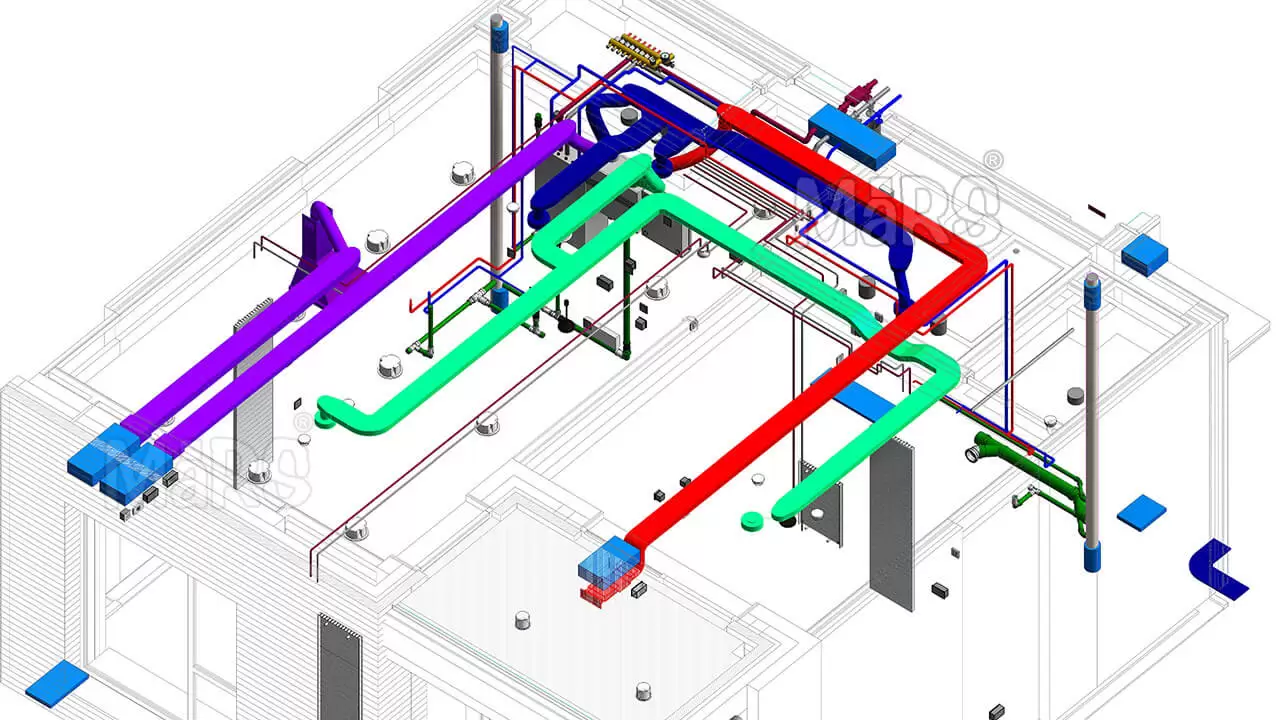

With 6D Sustainability BIM you easily monitor factors of importance to LEED certification, such as energy efficiency and heating/cooling efficiency.https://indbim.com/7d-bim.html

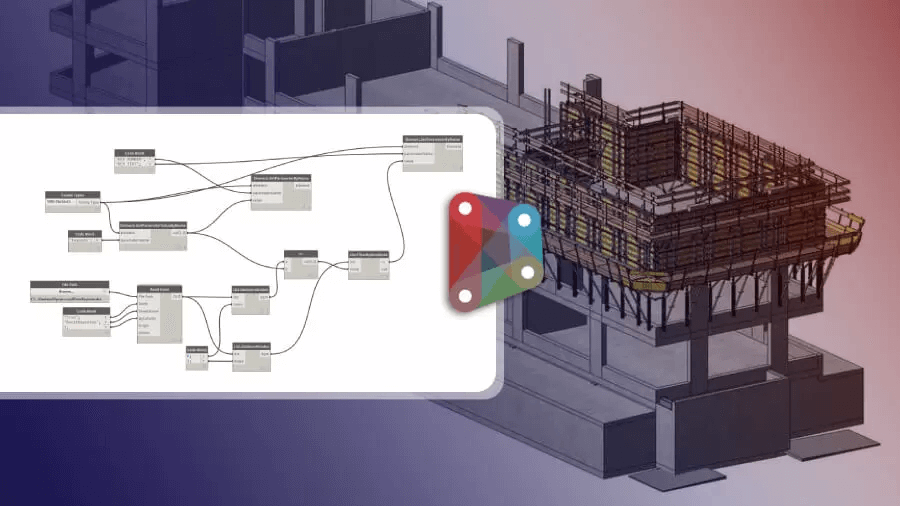
3D, 4D, 5D, 6D, 7D bim co-ordination services for residential, commercial, industrial, hospitals and Entertainment projects.