


In today's fast-paced and technologically-driven construction industry, Building Information Modeling (BIM) has become an indispensable tool for project teams. Among the various BIM disciplines, the integration of Mechanical, Electrical, and Plumbing (MEP) systems into the BIM model is particularly crucial for the success of modern construction projects.
Coordination and Clash Detection:
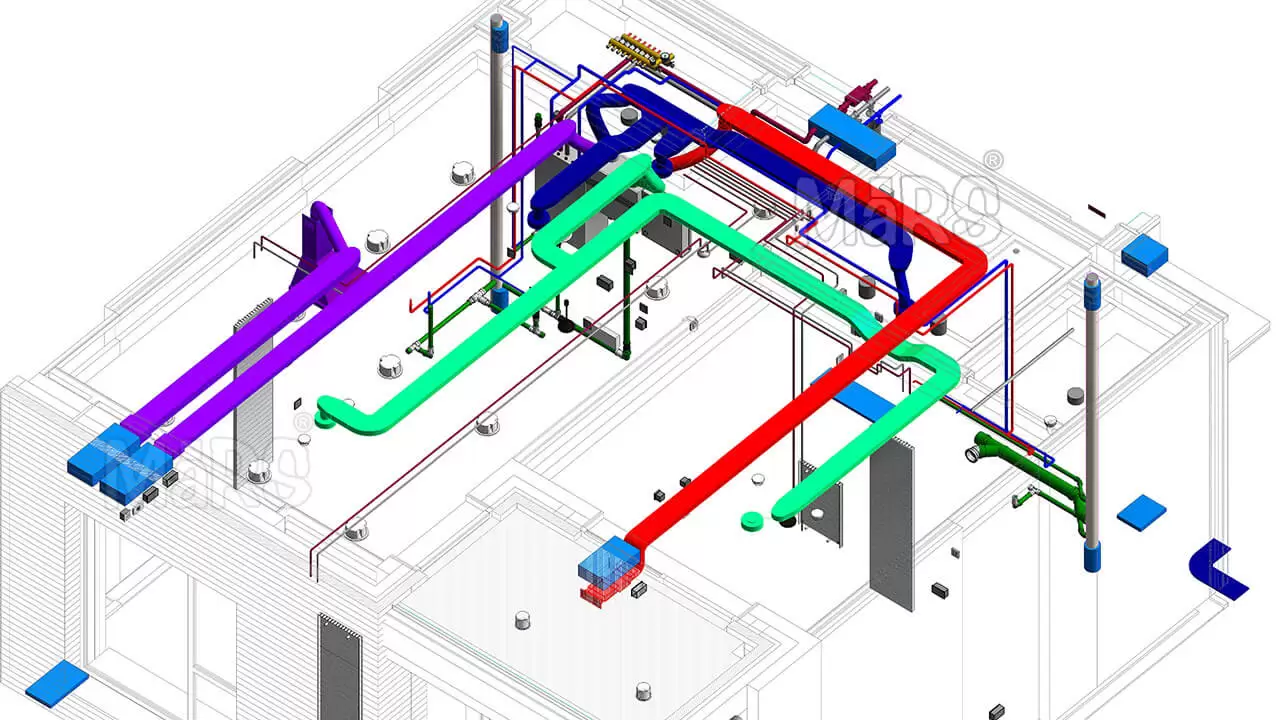
MEP BIM allows for the comprehensive modeling of all building services, including HVAC, plumbing, electrical, and more. This holistic representation enables effective coordination between the different trade disciplines, helping to identify and resolve potential clashes before construction begins. By proactively addressing these issues, project teams can avoid costly rework, delays, and change orders, ultimately improving project efficiency and profitability.
Increased Prefabrication and Modularization:
MEP BIM provides a detailed, data-rich 3D model of the building's systems, enabling the prefabrication of complex components off-site. This approach not only reduces the time and labor required on the construction site but also improves the overall quality and accuracy of the installation. Prefabrication and modularization supported by MEP BIM also contribute to reduced material waste and greater sustainability in construction.
Related blog: Why Did Contractors Require MEP BIM For A Construction Project?
Improved Design Validation and Decision-making:
With MEP BIM, project teams can simulate and analyze the performance of building systems, such as energy efficiency, thermal comfort, and air quality, before construction begins. This valuable data allows designers and engineers to make informed decisions, optimize the design, and ensure that the final product meets the client's requirements and industry standards.
Enhanced Facility Management and Operations:
The comprehensive data captured in the MEP BIM model can be leveraged throughout the building's lifecycle, from construction to operations and maintenance. Facility managers can access detailed information about the building's systems, enabling them to plan and execute maintenance activities more efficiently, reduce downtime, and extend the lifespan of equipment.
Streamlined Handover and Documentation:
The MEP BIM model serves as a centralized repository of information, providing a comprehensive digital record of the building's systems and components. This facilitates a seamless handover process to the client, ensuring that all relevant documentation, instructions, and as-built information are readily available, reducing the risk of information loss and improving the overall project delivery.
In conclusion, the integration of MEP BIM into modern construction projects is not just a trend but a necessary practice for achieving greater efficiency, coordination, and long-term sustainability. By embracing MEP BIM, construction teams can unlock a wealth of benefits, from improved design validation to enhanced facility management, ultimately delivering successful and high-performing buildings that meet the evolving demands of the industry.