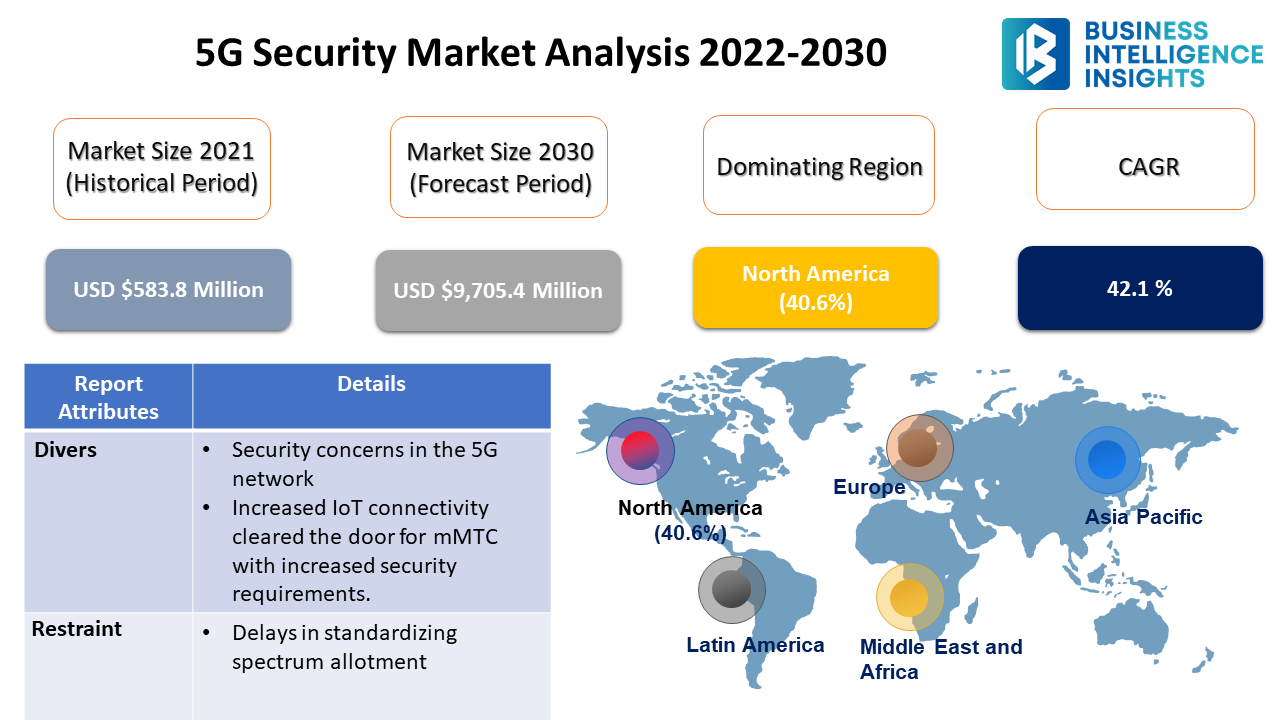



As 5G technology rapidly expands across the globe, promising faster speeds, lower latency, and massive connectivity, it also brings a new set of security challenges. The deployment of 5G networks introduces a complex landscape of potential vulnerabilities and threats that must be addressed to ensure the safety and integrity of this transformative technology. In this blog, we will explore the key 5G security issues, the reasons behind these vulnerabilities, and potential solutions to mitigate the risks.
Understanding 5G Security Issues
1. Increased Attack Surface
With the proliferation of connected devices, 5G networks expand the potential points of entry for cyberattacks. The Internet of Things (IoT) is a significant component of 5G, connecting billions of devices, from smart home gadgets to industrial sensors. Each connected device represents a potential vulnerability that can be exploited by malicious actors.
2. Network Slicing Risks
Network slicing allows operators to create multiple virtual networks within a single physical 5G network, each optimized for specific applications or industries. While this feature enhances efficiency and customization, it also introduces security risks. If one slice is compromised, it could potentially be used to access or disrupt other slices, impacting critical services and operations.
3. Supply Chain Vulnerabilities
5G networks rely on a complex supply chain of hardware and software components sourced from various vendors worldwide. This diversity increases the risk of supply chain attacks, where malicious actors could insert vulnerabilities during the manufacturing or distribution processes, compromising the integrity of the entire network.
4. Privacy Concerns
5G networks generate and process vast amounts of data, including sensitive personal and business information. Ensuring data privacy and protecting against unauthorized access is a significant challenge, particularly with the increased use of edge computing, which distributes data processing closer to the source of data generation.
5. Sophisticated Threats
As 5G technology evolves, so do the tactics of cybercriminals. Advanced persistent threats (APTs), nation-state actors, and other sophisticated adversaries are continually developing new methods to exploit 5G networks. These threats can target vulnerabilities in the network infrastructure, protocols, and connected devices.
Addressing 5G Security Challenges
1. Robust Authentication and Encryption
To secure 5G networks, it is crucial to implement strong authentication mechanisms and end-to-end encryption. This ensures that only authorized devices and users can access the network and that data transmitted across the network remains confidential and tamper-proof.
2. Comprehensive Security Framework
Developing a comprehensive security framework that encompasses all aspects of the 5G ecosystem is essential. This includes securing the core network, radio access network (RAN), and connected devices. Adopting industry standards and best practices, such as those outlined by the 3rd Generation Partnership Project (3GPP), can help guide the implementation of robust security measures.
3. Supply Chain Security
Enhancing supply chain security requires rigorous vetting and certification processes for all components used in 5G networks. Collaboration with trusted vendors and the adoption of secure development practices can mitigate the risks associated with supply chain vulnerabilities.
4. Network Slicing Isolation
To prevent the potential spillover of attacks between network slices, implementing strong isolation mechanisms is crucial. Each slice should be treated as an independent entity with its own security policies and controls. Regular monitoring and auditing can help detect and respond to any anomalies.
5. Continuous Monitoring and Threat Intelligence
Deploying advanced monitoring and threat intelligence solutions can help identify and respond to security threats in real time. Leveraging artificial intelligence (AI) and machine learning (ML) technologies can enhance the ability to detect unusual patterns and potential attacks, enabling proactive defense measures.
6. Privacy Protection Measures
Ensuring data privacy requires the implementation of robust data protection measures, such as encryption, anonymization, and access controls. Adhering to data privacy regulations, such as the General Data Protection Regulation (GDPR), and conducting regular privacy impact assessments can help safeguard sensitive information.
7. Collaboration and Information Sharing
Addressing 5G security issues requires collaboration between industry stakeholders, including network operators, vendors, regulators, and cybersecurity experts. Sharing information about emerging threats and best practices can enhance collective defense efforts and improve the overall security posture of 5G networks.
Conclusion
As 5G networks continue to revolutionize the way we connect and interact with technology, addressing the associated security challenges is paramount. By understanding the key security issues and implementing comprehensive solutions, we can unlock the full potential of 5G while safeguarding against threats. The future of 5G is bright, but it requires a concerted effort from all stakeholders to ensure a secure and resilient digital ecosystem.