



Couples therapy and individual therapy are two distinct approaches within the field of mental health, each tailored to address specific needs and dynamics. Understanding the differences between these two types of therapy can help individuals and couples make informed decisions about which approach may be best suited for their circumstances.
Focus and Goals
Individual Therapy: The primary focus of individual therapy is on the individual’s personal experiences, emotions, and behaviors. The goal is to help the person gain insight into their own thoughts and feelings, work through personal challenges, and develop healthier coping mechanisms. This type of therapy often addresses issues such as anxiety, depression, trauma, self-esteem, and personal growth.
Couples Therapy: In contrast, couples therapy centers on the relationship between two people. The primary goal is to improve the dynamics of the relationship by enhancing communication, resolving conflicts, and building stronger emotional connections. Issues commonly addressed in couples therapy include communication problems, infidelity, intimacy issues, and major life transitions. The therapist works with both partners to understand their perspectives and facilitates healthier interactions.
Therapeutic Techniques
Individual Therapy: Therapists in individual therapy may employ a variety of techniques depending on the client’s needs and the therapeutic approach they use. Common techniques include cognitive-behavioral therapy (CBT), psychodynamic therapy, mindfulness, and dialectical behavior therapy (DBT). The focus is on helping the individual understand their own patterns of thought and behavior and make changes that promote personal well-being.
Couples Therapy: Couples therapy often utilizes different techniques tailored to address relationship dynamics. Some popular methods include Emotionally Focused Therapy (EFT), which focuses on creating secure emotional bonds; the Gottman Method, which is based on extensive research on relationship stability; and Imago Relationship Therapy, which explores how early life experiences influence relationship patterns. These techniques are designed to help partners communicate more effectively, rebuild trust, and foster emotional intimacy.
Role of the Therapist
Individual Therapy: In individual therapy, the therapist’s role is to provide a safe and confidential space for the client to explore their feelings and thoughts. The therapist acts as a guide and support, helping the individual gain self-awareness and develop strategies to cope with their issues. The therapeutic relationship is a one-on-one dynamic, allowing for deep personal exploration.
Couples Therapy: The therapist in couples therapy acts as a mediator and facilitator, working with both partners simultaneously. The therapist’s role is to ensure that both individuals feel heard and understood while guiding them toward healthier ways of interacting. This requires balancing the needs and perspectives of both partners and helping them navigate complex emotions and conflicts. The therapist often provides tools and exercises for the couple to practice outside of sessions to reinforce the work done in therapy.
Communication and Interaction
Individual Therapy: Communication in individual therapy is straightforward, as it involves only the therapist and the client. The client can speak freely about their thoughts and feelings without worrying about the reactions of another person in the room. This setting can be particularly beneficial for those who need to focus on personal growth and self-understanding.
Couples Therapy: In couples therapy, communication is more complex because it involves interactions between two partners. The therapist must manage the dynamics of the conversation, ensuring that both individuals have the opportunity to express themselves and listen to each other. This can involve teaching active listening skills, helping partners articulate their needs and feelings more clearly, and addressing communication patterns that contribute to conflict.
Outcomes and Benefits
Individual Therapy: The outcomes of individual therapy are focused on the personal development of the client. Benefits can include improved mental health, increased self-awareness, better coping strategies, and overall enhanced quality of life. The progress is measured by the individual’s ability to navigate their personal challenges more effectively.
Couples Therapy: The outcomes of couples therapy are centered on the relationship. Successful therapy can lead to improved communication, increased intimacy, and a stronger emotional connection between partners. It can also help couples develop better conflict resolution skills and a deeper understanding of each other’s needs and perspectives. The ultimate goal is a healthier, more satisfying relationship.
In summary, while both individual and couples therapy aim to improve mental and emotional well-being, they do so through different focuses, techniques, and dynamics. Individual therapy is tailored to personal growth and self-understanding, whereas couples therapy is designed to enhance the relationship between partners by addressing interaction patterns and improving communication. Understanding these differences can help individuals and couples choose the most appropriate therapeutic approach for their needs.
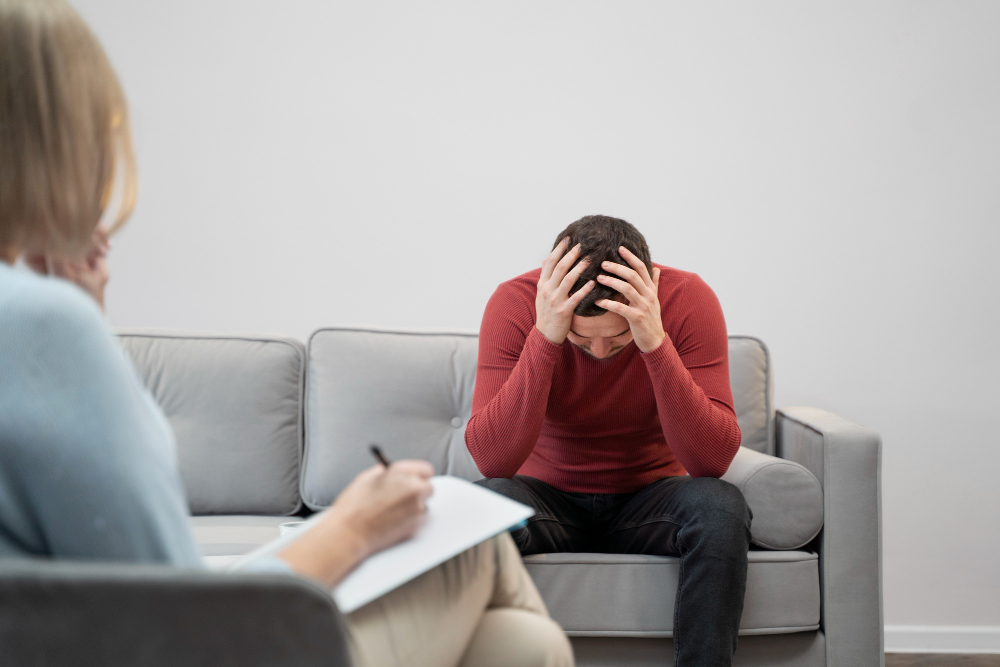



Don't worry; we are here to help you solve your issues with our effective Couple Therapy Den Haag from the comfort of your home.
Welcome to Balanceforyourlife.nl; we provide help to couples and individuals who struggle with numerous aspects of a relationship like intimacy, behavior, and infidelity.
At Balanceforyourlife.nl, we work with individuals and couples who want to improve the quality of life and relationships and regain their nearness.
We have years of experience in serving individuals and couples in Den Haag, and hence we can help you identify the ways in your life and help you choose the better one for you.
To solve these challenges and Couple Therapy Den Haag, we provide relationship counseling and boot camp therapy, which is a unique method to fix the relationship and struggles of a couple.
Your decision to visit a therapist is a significant step to improve your mental health.