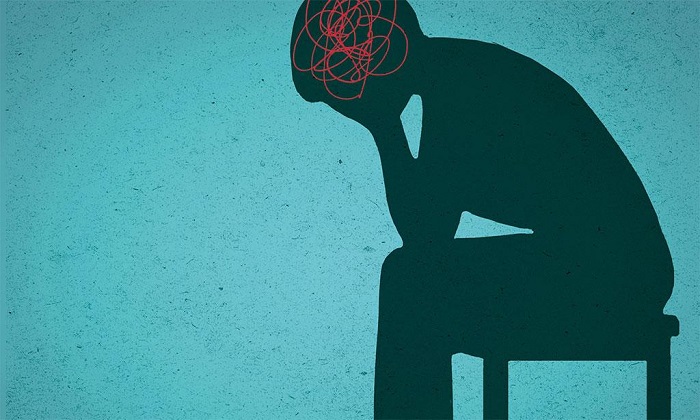



Discovering that your partner has a mental illness can be a challenging and emotional experience. However, it's important to remember that with the right approach, support, and resources, you can maintain a healthy and loving relationship.
Here are key steps to take if your partner is dealing with mental health challenges:
1. Educate Yourself
One of the first things you should do is learn about your partner’s specific mental health condition. Understanding the symptoms, triggers, and treatment options can help you better navigate the relationship and provide the appropriate support. Mental illnesses like depression, anxiety, bipolar disorder, or PTSD affect individuals differently, so knowing what to expect can reduce frustration and foster empathy.
2. Communicate Openly and Without Judgment
Mental illness can often lead to misunderstandings, so open, honest communication is essential. Encourage your partner to share their feelings and experiences, and listen without judgment. Avoid making assumptions or offering unsolicited advice. Instead, ask how you can help and what they need from you.
At the same time, it’s important to express your own feelings and needs. Let your partner know how their condition affects you, but do so with empathy and sensitivity. Balance is key to maintaining healthy communication.
3. Encourage Professional Help
While you can offer emotional support, it’s important to recognize that professional treatment is crucial. Encourage your partner to seek therapy, counseling, or medication, if needed. Offer to help them find a mental health professional or accompany them to appointments if they’re comfortable with it. Treatment can provide them with the tools to manage their condition and improve the relationship dynamic.
4. Practice Patience and Compassion
Mental illness can cause mood swings, withdrawal, or irritability, which may strain your relationship at times. It’s important to remain patient and compassionate. Remember that your partner’s behavior is a result of their condition, not a reflection of their feelings for you. Allow them space when needed, and avoid taking things personally.
5. Take Care of Yourself
Supporting a partner with mental illness can be emotionally demanding. Make sure you’re taking care of your own mental and physical health as well. Set healthy boundaries and consider seeking therapy or joining a support group to manage your feelings. Taking care of yourself enables you to better support your partner.
By educating yourself, communicating openly, encouraging treatment, practicing patience, and prioritizing self-care, you can build a strong, supportive relationship even when mental illness is involved.



prognosis and assessment of symptoms, mental state professionals have developed varied sorts of tests that area unit apt to the requirements of every mental state issue.
Here area unit a number of the essential classes of mental state tests: Neuropsychological Tests If a psychological science cause is suspected in a person, the practitioner would use a paper-and-pencil take a look at to work out any deficit inactivity and psychological feature capacities.
Among the foremost common psychological science tests is that the Bender-Gestalt takes a look at that aims to asses the person's activity skills by creating them reproduce 9 drawings.
whereas this takes a look at might not sufficiently determine the particular variety of brain injury among individuals assessed, it's a reliable tool to conclude that an individual could or might not have a brain injury.
within the clinical setting, these tests area unit accustomed have Associate in Nursing insight on the person's intellectual capacities, strengths and weaknesses particularly once mental damages area unit suspected.
These tests ordinarily were designed to live basic intelligence, abstract reasoning, verbal fluency and abstraction memory.