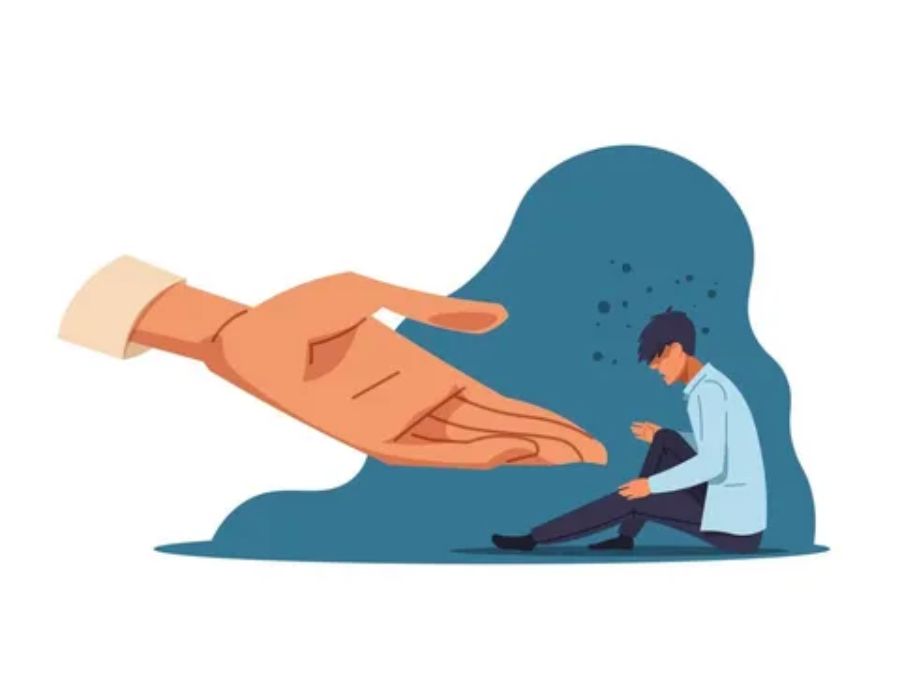



Trauma can deeply impact a person’s emotional, physical, and psychological well-being. While many individuals can process and cope with distressing experiences on their own or with support from loved ones, there are times when professional help becomes essential for healing. Knowing when to seek trauma counseling is crucial for long-term recovery and mental health.
Persistent Symptoms of Trauma
One of the clearest indicators that someone should seek professional help is when symptoms of trauma persist over time. It’s normal to experience intense emotions like shock, sadness, anxiety, or anger after a traumatic event. However, if these feelings do not subside and continue for weeks or months, this may signal the need for counseling. Symptoms like nightmares, flashbacks, intrusive thoughts, and severe anxiety are common in conditions like Post-Traumatic Stress Disorder (PTSD), which often require professional intervention.
Difficulty Functioning in Daily Life
Trauma can make it challenging to carry out everyday activities. If a person starts to struggle with basic responsibilities like work, school, or social interactions, this is another sign that help is needed. When trauma leads to isolation, avoidance of places or people that remind one of the event, or difficulty maintaining relationships, therapy can help restore balance and improve daily functioning.
Physical Manifestations of Trauma
Emotional trauma often has physical effects. Chronic headaches, stomach issues, fatigue, or sleep disturbances can all be signs that trauma is affecting the body. These physical symptoms, coupled with emotional distress, are red flags that professional support is necessary. Sometimes, these physical responses can be so overwhelming that they become a form of somatization, where emotional pain is unconsciously converted into physical ailments.
Self-Destructive Behaviors
Engaging in self-destructive behaviors is a significant indication that trauma has not been adequately processed. Behaviors like substance abuse, self-harm, reckless driving, or risky sexual activities can be coping mechanisms for managing emotional pain. When someone begins to engage in these harmful actions, it is crucial to seek help to address the root cause of the trauma and develop healthier coping strategies.
Inability to Move Past the Trauma
Finally, if someone feels stuck or unable to move past the traumatic event, it may be time to seek therapy. Professional traua counselors are trained to help individuals navigate their trauma, process difficult emotions, and find ways to heal. If the trauma feels overwhelming or impossible to confront, professional help can provide the tools and support needed for recovery.
Recognizing these signs and seeking timely intervention can make a significant difference in managing trauma, improving mental health, and restoring quality of life.





As such, they may well want the assistance of qualified professionals who are trained to help this individual get for the bottom of their emotional problems.
These pros are also in a position to aid someone make methods for new and healthy coping tools.
Get extra facts about trauma counsellingIn order for a person to grow to be and to present counseling service, they've to first take classes in social troubles, psychology, as well as other courses dealing with people expertise, and in conflict resolution.
They aren't medical specialists, while a psychologist can counsel people.
A professional counselor performs exclusively to help people resolve their live problems, and their emotional concerns.There are plenty of types of difficulties which can be manages, and even resolved with qualified counseling.
These challenges can incorporate phobias, smoking cessation, people abilities, self-esteem, and also other concerns coping with one's feelings.