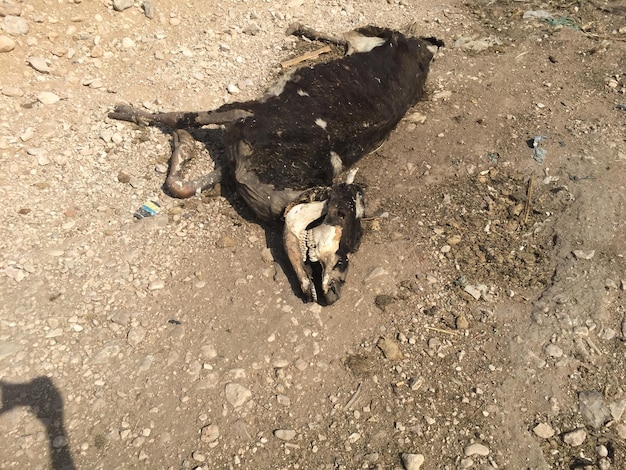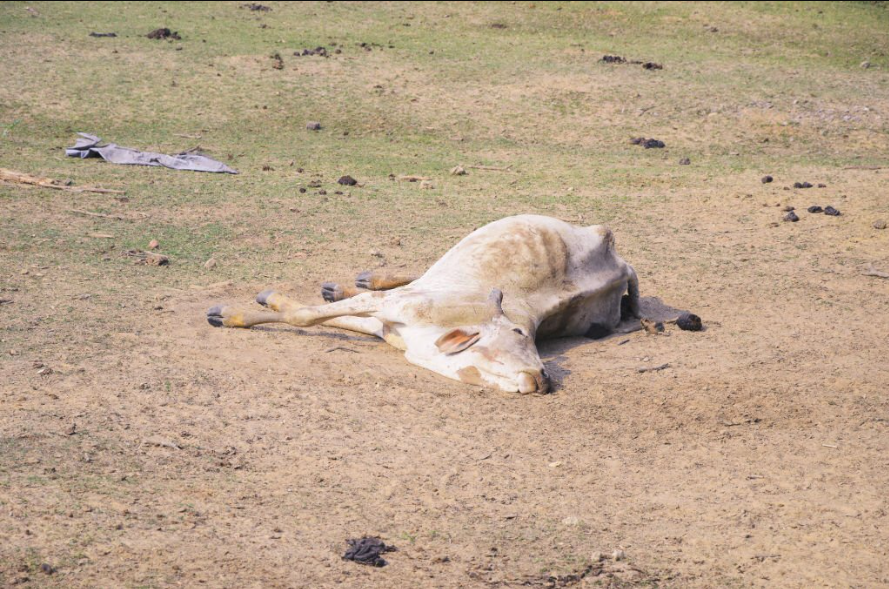


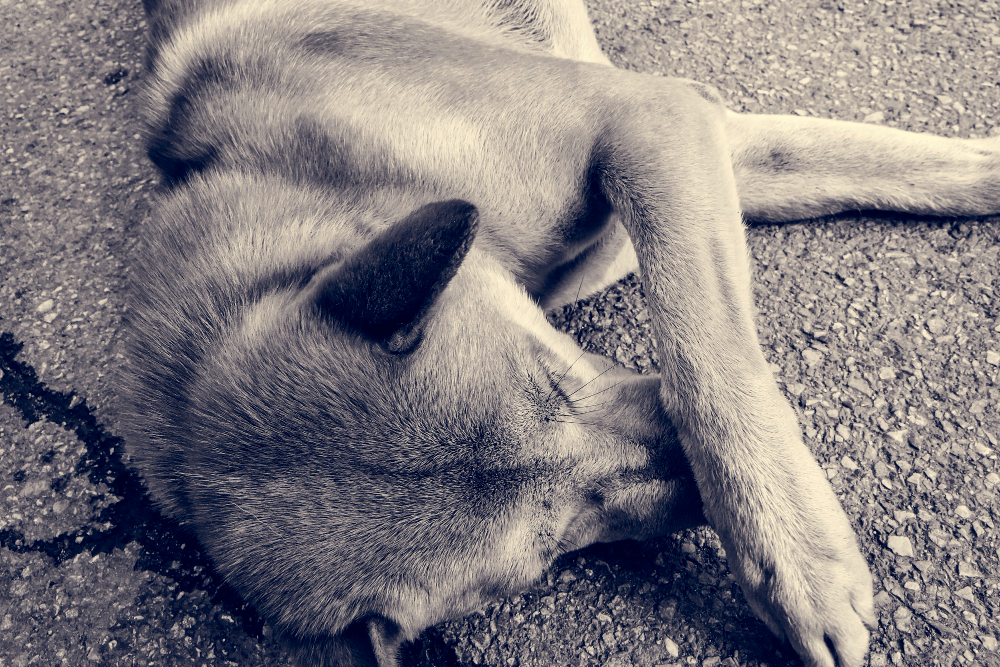
Dead animals can present a serious problem, both in terms of health risks and unpleasant odors. Effective removal and prevention of dead animals is essential to maintaining a clean and safe environment. In this article, we will explore comprehensive solutions for dead animal removal and prevention, ensuring your property remains safe and hygienic.
Understanding the Risks of Dead Animals
The presence of dead animals can lead to several health hazards. Decomposing animals attract a host of parasites and scavengers, which can spread diseases. Additionally, the decaying process releases foul odors and can contaminate soil and water sources. Addressing these risks promptly is crucial.
Signs of a Dead Animal on Your Property
Identifying the presence of a dead animal can sometimes be challenging. Common signs include:
- Persistent foul odors emanating from specific areas.
- Unusual activity of flies, maggots, and other insects.
- Stains or discoloration on walls or ceilings.
- Unexplained pet behavior, such as excessive sniffing or barking at a particular spot.
Effective Dead Animal Removal Methods
Professional Removal Services
One of the most reliable ways to handle dead animal removal is by hiring Dead Animal Removal Australia. Experts are trained to safely and efficiently remove carcasses, minimizing health risks. They use specialized equipment and follow strict guidelines to ensure the area is thoroughly sanitized.
DIY Removal
If you decide to handle the removal yourself, follow these steps carefully:
- Locate the carcass: Use the signs mentioned earlier to pinpoint the dead animal.
- Wear protective gear: Gloves, masks, and disposable clothing are essential to protect yourself from pathogens.
- Carefully remove the animal: Use a shovel or other tools to avoid direct contact. Place the carcass in a heavy-duty plastic bag.
- Disinfect the area: Use a strong disinfectant to clean the area thoroughly, eliminating any remaining bacteria and parasites.
- Dispose of the carcass: Follow local regulations for the disposal of dead animals, which may involve taking it to a designated disposal facility.
Preventing Future Incidents
Regular Inspections
Conducting regular inspections of your property can help identify and address potential issues before they become major problems. Look for signs of animal activity, such as droppings, nests, or burrows, and take action immediately.
Securing Entry Points
Prevent animals from entering your property by sealing potential entry points. Common entry points include:
- Gaps in walls and foundations
- Open chimneys
- Unscreened vents
- Loose roofing materials
Proper Waste Management
Improper waste management can attract animals to your property. Ensure that garbage is stored in secure, animal-proof containers and disposed of regularly. Avoid leaving food scraps or pet food outside, as these can be significant attractants.
Humane Wildlife Control
Exclusion Techniques
Use humane exclusion techniques to keep animals out. These methods include:
- Installing chimney caps: Prevent animals from nesting in chimneys.
- Using mesh screens: Cover vents and other openings with mesh screens to block entry.
- Erecting fences: Build fences around gardens and other vulnerable areas to keep larger animals away.
Habitat Modification
Modify the habitat around your property to make it less attractive to wildlife. This includes:
- Trimming overgrown vegetation: Dense shrubbery and tall grass can provide hiding spots for animals.
- Removing water sources: Eliminate standing water, which can attract a variety of animals.
Dead Animal Prevention in Specific Areas
Attics and Crawl Spaces
These areas are particularly prone to animal infestations. Ensure they are sealed properly and inspect them regularly for signs of activity. Use dehumidifiers to reduce moisture levels, which can attract pests.
Basements and Garages
Keep these areas clutter-free and well-ventilated. Store items in sealed containers and avoid leaving food sources accessible. Regularly check for signs of animal activity and take preventive measures as needed.
Yards and Gardens
Maintain your yard and garden to reduce the likelihood of attracting wildlife. This includes:
- Properly storing firewood: Keep it elevated and away from the house.
- Securing compost bins: Ensure they are animal-proof.
- Maintaining a clean yard: Remove fallen fruit, nuts, and other potential food sources.
Handling Specific Animals
Rodents
Rodents can be particularly troublesome due to their rapid breeding and ability to squeeze through small openings. Use a combination of traps, baits, and exclusion methods to control and prevent infestations.
Birds
Birds can create nests in chimneys, attics, and other areas. Use deterrents such as bird spikes and netting to prevent nesting, and clean up any food sources that may attract them.
Larger Animals
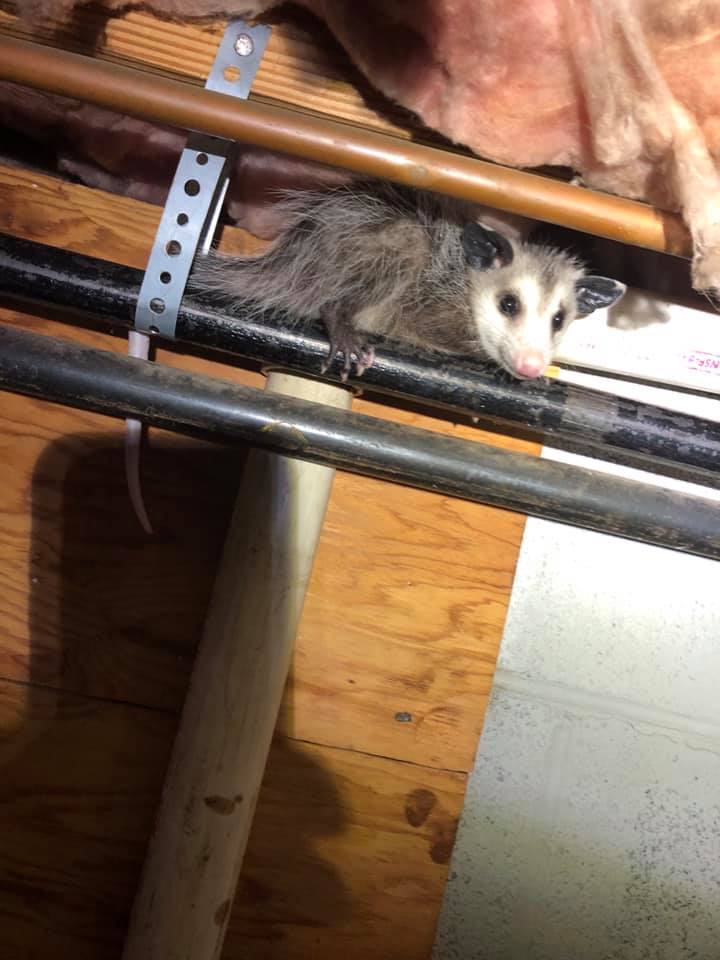
Larger animals, such as raccoons and opossums, require more robust prevention methods. Secure trash cans, use motion-activated lights, and install fencing to keep them at bay.
Dealing with Dead Animal Odors
Even after removal, dead animal odors can linger. To combat this, use enzymatic cleaners that break down the organic materials causing the odor. Additionally, ensure the area is well-ventilated to disperse any remaining smells.
Legal Considerations
Be aware of local regulations regarding dead animal removal and disposal. Some areas have specific guidelines and services in place, and it is important to comply with these regulations to avoid fines or other legal issues.
Conclusion
Dead animal removal and prevention are critical for maintaining a safe and healthy environment. By following the comprehensive solutions outlined in this article, you can effectively manage and prevent these issues, ensuring your property remains free from the health risks and unpleasantness associated with dead animals.