


Darcy Laidley

0

0

2


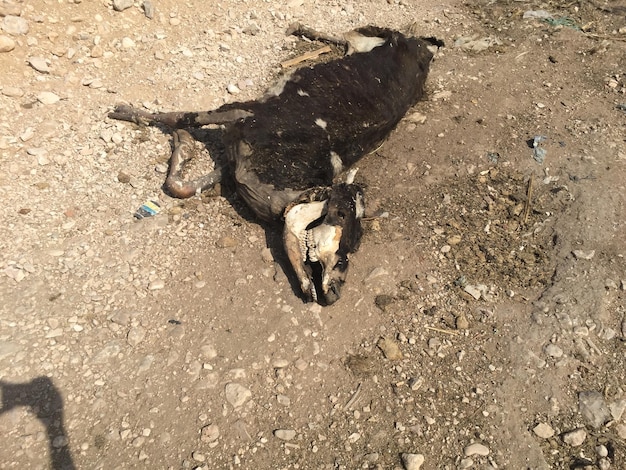
Dealing with a dead animal on your property can be an unpleasant task, but it’s important to handle the situation promptly and safely to prevent potential health hazards, unpleasant odors, and attracting pests. Whether you're a homeowner or a property manager, here’s a guide to help you through the process.
1. Assess the Situation
- Identify the Animal: Before you handle the removal, try to determine what type of animal it is. Larger animals may require special disposal methods, while smaller ones like birds or rodents can be handled more straightforwardly.
- Check for Infestation or Disease: If the animal appears to be diseased or there are signs of an infestation (e.g., maggots, flies), you might need professional assistance.
2. Safety First
- Wear Protective Gear: Always wear gloves (preferably disposable latex or nitrile) when handling dead animals. Consider wearing a mask and safety goggles if there’s a risk of fluids or airborne particles.
- Use Tools: Use a shovel or other tools to handle the animal to avoid direct contact as much as possible.
- Avoid Touching: Do not touch the dead animal with bare hands. Even if it appears safe, bacteria and other pathogens can be present.
3. Removing the Animal
- Prepare a Bag: Use a thick, heavy-duty plastic bag to place the animal in. Double bagging is recommended to contain any potential leakage.
- Sealing the Bag: Once the animal is inside, seal the bag tightly to prevent odors and leaks. If the animal is large, you may need a larger container or a contractor bag.
- Sanitize the Area: After removal, thoroughly clean and disinfect the area where the animal was found using a bleach solution or another disinfectant.
4. Proper Disposal
- Check Local Regulations: Disposal methods can vary by location. Some areas may allow you to place the double-bagged animal in the regular trash, while others may require specific disposal at a designated facility.
- Call Animal Control or Professional Services: If you're unsure or uncomfortable handling the removal, contact local animal control, a pest control service, or a wildlife removal specialist.
- Consider Cremation or Burial: For pets or larger animals, cremation or burial might be an option. Be sure to check local laws regarding burial, as some areas have restrictions.
5. Prevent Future Incidents
- Seal Entry Points: Inspect your property for any openings or entry points where animals might enter and seal them. This includes attics, basements, chimneys, and crawl spaces.
- Maintain Cleanliness: Keep your property clean and free of food waste or debris that might attract animals. Regularly dispose of garbage and secure trash cans with lids.
- Install Deterrents: Consider using deterrents like motion-activated lights, ultrasonic devices, or fencing to keep wildlife away from your property.
6. When to Call a Professional
- Large Animals or Hazardous Situations: If the animal is large (e.g., a deer) or is in a hard-to-reach area (like inside walls or under a deck), it’s best to call a professional.
- Signs of Disease: If the animal shows signs of rabies or other diseases (e.g., foaming at the mouth, aggressive behavior prior to death), do not handle it yourself—contact animal control immediately.
- Repeated Issues: If dead animals frequently appear on your property, there could be a larger problem, such as a pest infestation or nearby environmental issues. A professional can help identify and address the root cause.
7. Documentation and Reporting
- For Property Managers: Keep records of all incidents, including how the animal was removed and disposed of, any professional Dead Animal Removal Sydney services used, and preventive measures taken. This is important for liability purposes and tenant communication.
- Reporting: If you suspect the animal died due to poisoning, abuse, or other unusual circumstances, report it to the appropriate local authorities.
Conclusion
Handling dead animal removal melbourne can be daunting, but following these steps ensures it’s done safely and effectively. If in doubt, don't hesitate to seek professional assistance to protect yourself and others from potential risks. Proper disposal and preventive measures can help maintain a safe and healthy environment on your property.
0
0
2
Darcy Laidley
From the Author
Related Articles
In this blog post, Dead Animal Removal Brisbane will explore the importance of keeping your home safe and clean with expert help when dealing with deceased critters. Introduction to Professional Dead Animal RemovalOne of the most important, but often overlooked, aspects of keeping your home safe and clean is professional dead animal removal. Common Reasons for Dead Animal RemovalOne of the most important services that a professional dead animal removal company provides is the prevention of disease. How Professional Dead Animal Removal Benefits Your HomeWhen a animal dies, it can become a serious health hazard for your family if not removed by a professional. If you can't bury or dispose of the body yourself, you can call a professional dead animal removal service.
0
2
If you're unsure whether you need professional help, here are some signs that indicate it’s time to call in the experts for dead animal removal:1. If you notice a pervasive, rancid smell that you can’t locate or eliminate, it’s likely a dead animal is the culprit. If you or your family members experience symptoms like headaches, nausea, or respiratory issues that might be linked to the presence of a decomposing animal, seek professional help immediately as dead animal removal. Inaccessible LocationsIf the dead animal is in a hard-to-reach area, such as within walls, attics, or under flooring, professional removal services are often required. If you notice any of these signs, it’s best to consult with professional removal services.
0
1

Hire Local Pest Control Hobarts Experts, Get Dead Animal Removal Services at an affordable cost. 24/7 Appointments Available, Call +61480016541. Visit us at https://localpestcontrolhobart. com. au/services/dead-animal-removal-hobart/
0
1