Power quality is the consistency and reliability of electrical power delivered to end-users. It's a critical factor influencing the performance and lifespan of electrical equipment. A power quality audit is a comprehensive evaluation of your electrical system to identify potential problems and recommend solutions.
Understanding Power Quality Issues
Poor power quality manifests in various forms, each with the potential to disrupt operations and damage equipment. Voltage sags, or temporary voltage drops, can cause sensitive electronic devices to malfunction. Conversely, voltage swells, or brief overvoltages, can overload equipment and lead to premature failure. Harmonics, distorted waveforms caused by nonlinear loads, generate excess heat, reduce equipment efficiency, and increase energy consumption.
Transients, or sudden voltage spikes, can induce damaging electrical surges, while power interruptions, ranging from momentary blackouts to extended outages, disrupt productivity and compromise data integrity. The cumulative impact of these power quality issues can result in equipment malfunctions, reduced productivity, increased maintenance costs, and even safety hazards. A comprehensive power quality audit is essential to identify and address these problems before they escalate into costly and disruptive consequences.
The Benefits of a Power Quality Audit
Conducting a power quality audit offers several advantages. It helps to:
- Identify potential problems: Early detection of power quality issues can prevent costly equipment failures.
- Improve equipment performance: By addressing power quality issues, you can optimize equipment efficiency and lifespan.
- Reduce energy consumption: Power quality problems can lead to increased energy consumption. An audit can help identify areas for improvement.
- Enhance safety: Poor power quality can create safety hazards. An audit helps identify and mitigate risks.
- Comply with regulations: Many industries have power quality standards. An audit ensures compliance.
The Power Quality Audit Process
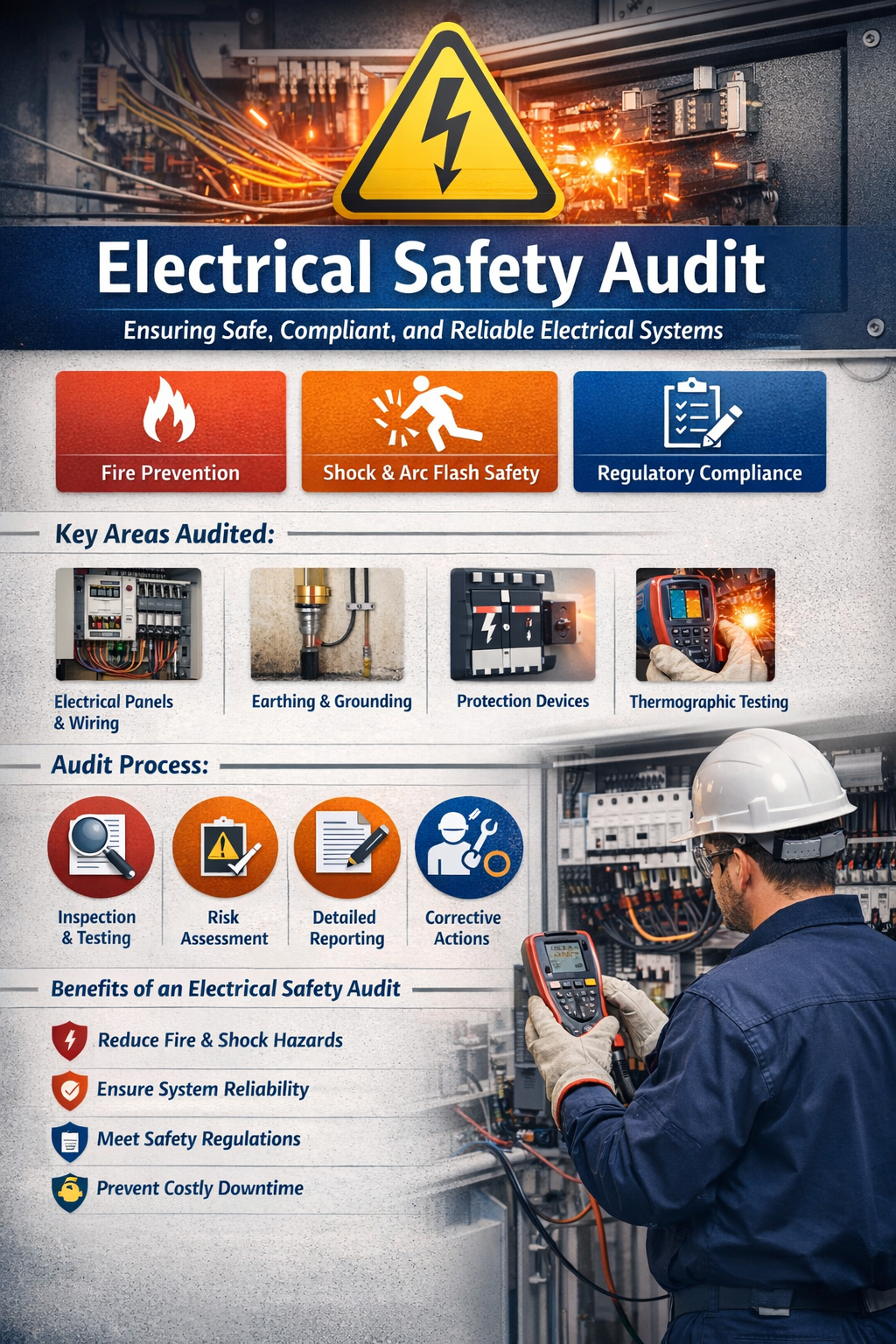
A typical power quality audit involves several steps:
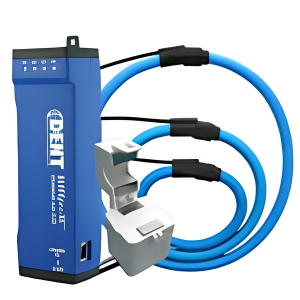
- Data collection: Engineers use specialized equipment to monitor electrical parameters over a specified period.
- Data analysis: Collected data is analyzed to identify power quality issues and their severity.
- Report generation: A detailed report outlining findings, recommendations, and corrective actions is prepared.
- Implementation: Based on the audit results, you can implement recommended solutions to improve power quality.
Power Quality Testing: Your Diagnostic Tool
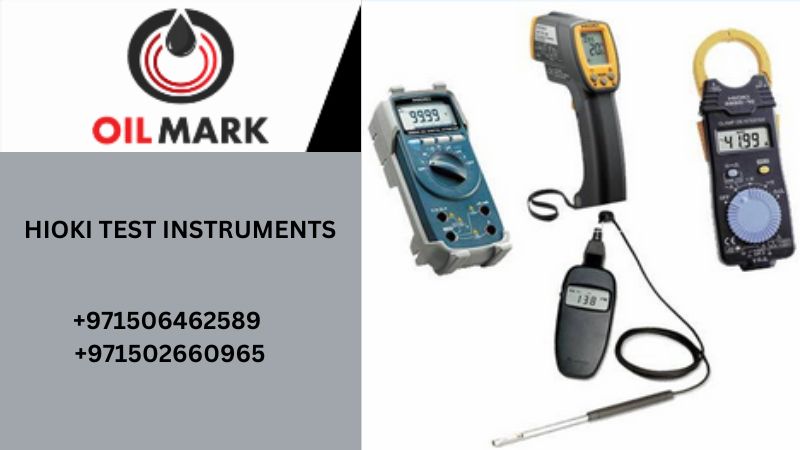
At the same time, power quality testing is an integral part of a power quality audit. It involves using specialized equipment to measure various electrical parameters such as voltage, current, harmonics, and power factor. By analyzing these measurements, engineers can identify specific power quality issues and their root causes.
PQ Testing and Rentals offers a comprehensive range of power quality testing services. Our experienced team utilizes state-of-the-art equipment to assess your electrical system's health. We provide detailed reports and actionable recommendations to help you optimize power quality and protect your equipment.
The Bottom Line
A power quality audit is a proactive step towards ensuring the reliability and efficiency of your electrical system. By identifying and addressing power quality issues, you can protect your equipment, reduce costs, and enhance overall operations. PQ Testing and Rentals is your trusted partner in achieving optimal power quality. Get in touch with us today for a comprehensive power quality audit.