

Introduction
Electrical systems are one of the most critical yet overlooked risk areas in any facility. From offices to manufacturing plants, electrical failures can lead to fires, equipment damage, operational downtime, and serious injuries.
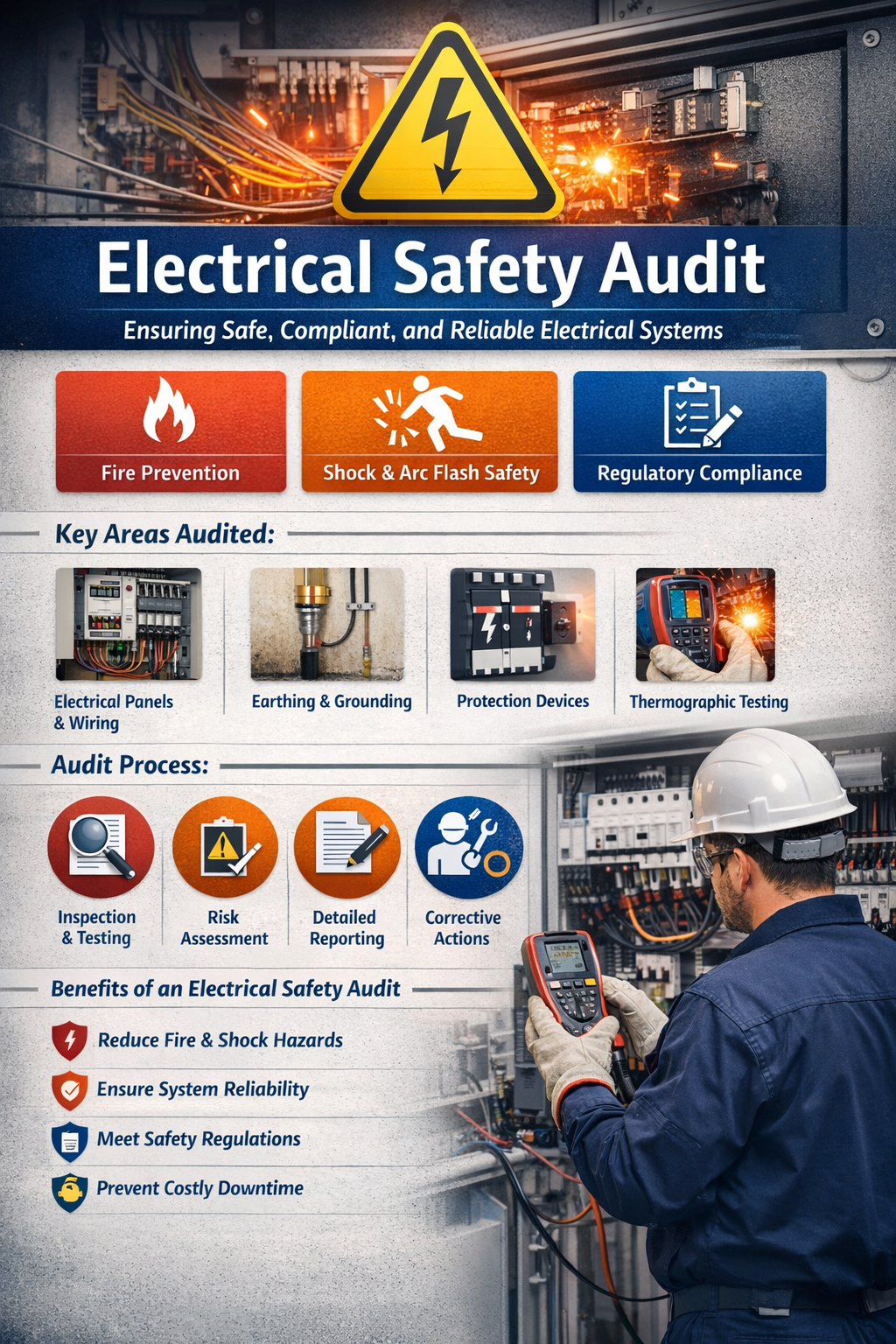
An Electrical Safety Audit is a systematic evaluation of electrical infrastructure to identify hazards, ensure compliance, and improve system reliability. It goes beyond visual inspection to assess whether systems are safe under real operating conditions.
What is an Electrical Safety Audit?
An Electrical Safety Audit is a detailed assessment of electrical systems, equipment, and practices within a facility. It focuses on:
- Identifying electrical hazards
- Evaluating system performance and safety
- Ensuring compliance with standards and regulations
- Recommending corrective actions
The goal is simple: prevent failures before they happen.
Why Electrical Safety Audits Are Critical
Electrical issues often develop silently and escalate quickly.
Key Reasons to Conduct an Audit:
1. Fire Prevention: Electrical faults are one of the leading causes of industrial and commercial fires.
2. Personnel Safety: Faulty systems increase the risk of electric shock, arc flash, and fatal accidents.
3. Equipment Protection: Voltage fluctuations and overloads can damage expensive machinery.
4. Regulatory Compliance: Ensures adherence to safety standards and avoids legal penalties.
5. Operational Continuity: Prevents unexpected breakdowns and downtime.
Key Components of an Electrical Safety Audit
⚡ Electrical Distribution System
- Main panels and sub-panels
- Load distribution and balancing
- Circuit protection systems
🔌 Wiring and Cabling
- Condition of wiring
- Insulation integrity
- Proper routing and protection
🔥 Earthing and Grounding
- Effectiveness of earthing system
- Ground resistance testing
- Bonding of equipment
⚠️ Protection Systems
- Circuit breakers and fuses
- Residual current devices (RCDs)
- Surge protection systems
🧯 Fire Risk Assessment
- Electrical hotspots
- Overheating components
- Cable management
📑 Compliance and Documentation
- Electrical drawings and layouts
- Maintenance records
- Safety procedures
Electrical Safety Audit Process
1. Planning and Scope Definition
Define audit objectives, systems to be reviewed, and applicable standards.
2. Data Collection
Gather electrical drawings, load data, and maintenance history.
3. Site Inspection
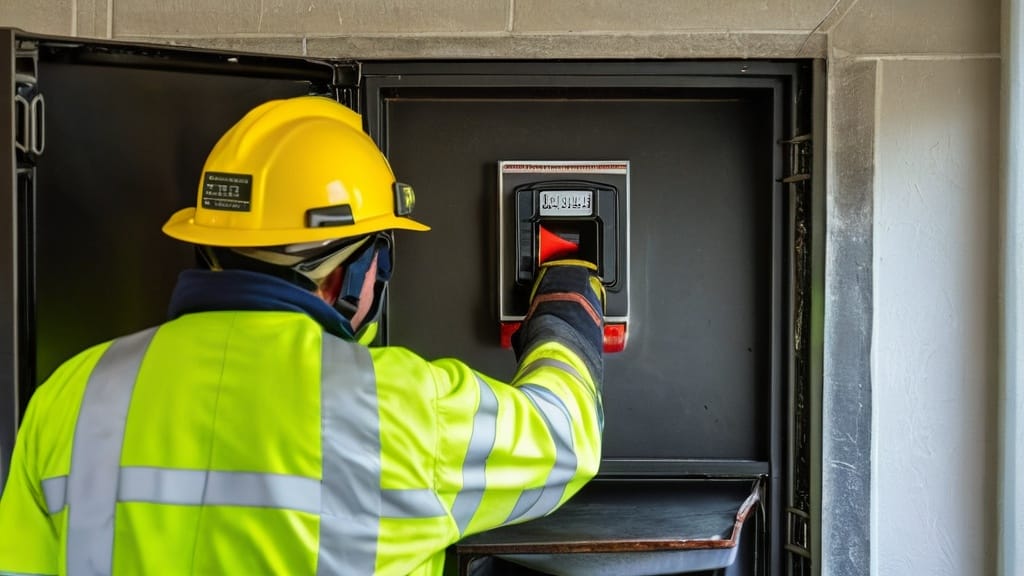
Conduct physical inspection of panels, wiring, and equipment.
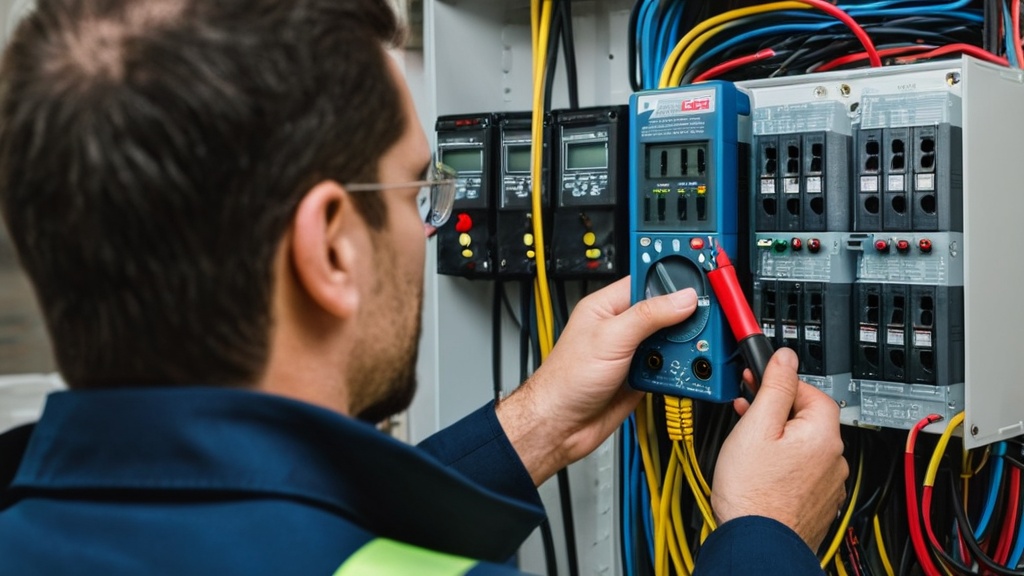
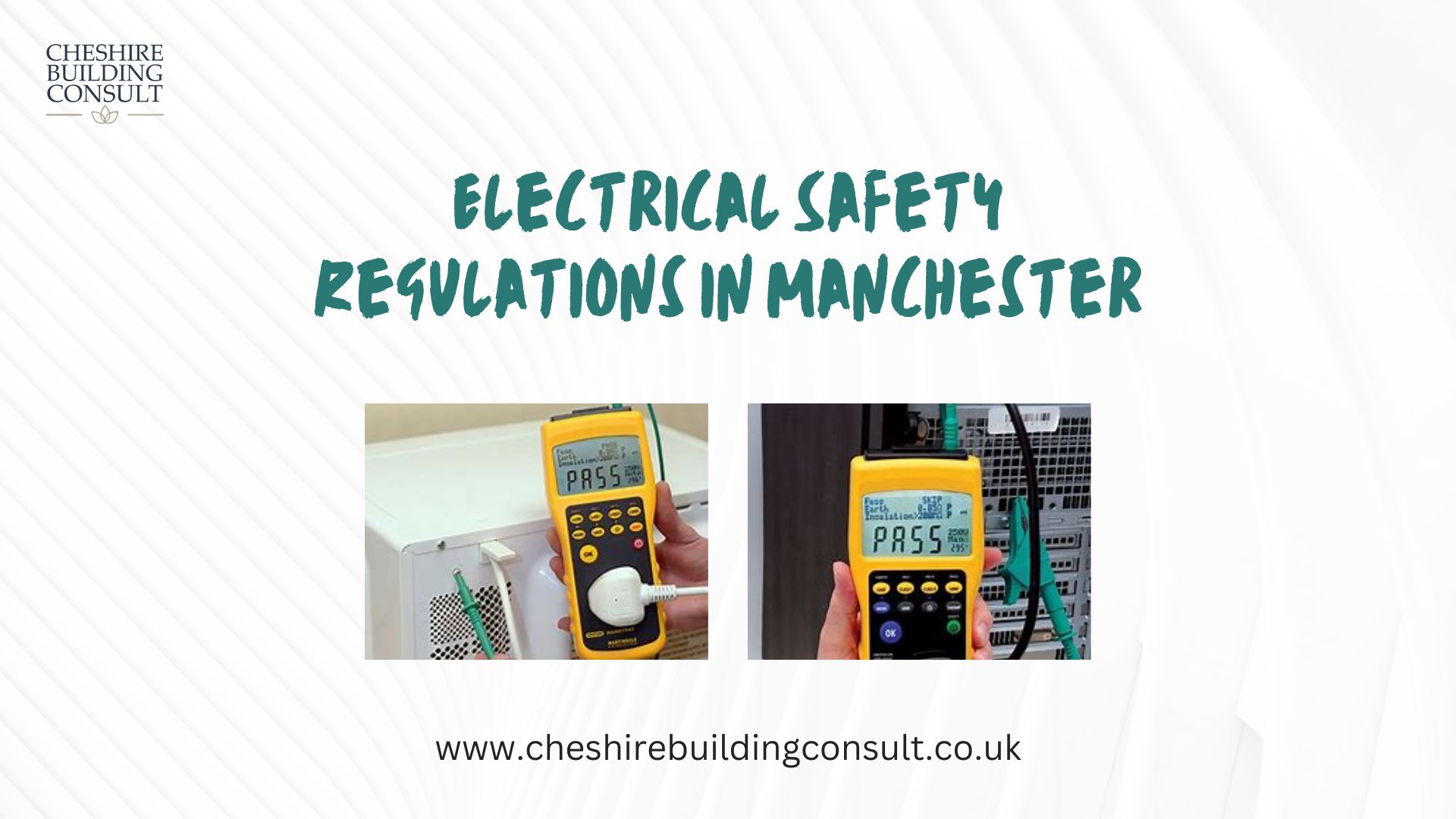
4. Testing and Measurements
- Load analysis
- Insulation resistance testing
- Thermography (hotspot detection)
- Earthing resistance measurement
5. Risk Assessment
Identify hazards and evaluate their severity.
6. Reporting
Provide:
- Observations
- Non-compliance issues
- Risk levels
- Recommended actions
7. Implementation and Follow-Up
Ensure corrective measures are executed and monitored.
Common Issues Identified in Electrical Audits
- Overloaded circuits and panels
- Loose or damaged wiring
- Poor earthing systems
- Improper cable management
- Absence of protective devices
- Lack of preventive maintenance
These issues often remain unnoticed until failure occurs.
Frequency of Electrical Safety Audits
- Industrial facilities: Every 6–12 months
- Commercial buildings: Annually
- High-risk environments: Every 3–6 months
Additional audits should be conducted after:
- System upgrades
- Equipment installation
- Electrical incidents
Benefits of Electrical Safety Audits
✔ Enhanced Safety
Reduces risk of accidents and injuries.
✔ Fire Risk Reduction
Identifies potential fire hazards early.
✔ Improved Efficiency
Optimizes load distribution and energy usage.
✔ Compliance Assurance
Meets regulatory and safety requirements.
✔ Cost Savings
Prevents costly repairs and downtime.
The Most Common Mistake
Treating electrical audits as a formality.
Many audits:
- Rely only on visual inspection
- Skip detailed testing
- Ignore load behavior under real conditions
This creates a false sense of security.
A proper audit must verify performance, not just presence.
Best Practices for Effective Electrical Safety
- Conduct regular preventive maintenance
- Avoid overloading circuits
- Use certified and high-quality components
- Train personnel on electrical safety
- Maintain updated documentation
- Act promptly on audit findings
Conclusion
An Electrical Safety Audit is essential for maintaining a safe and reliable working environment. It helps organizations detect hidden risks, ensure compliance, and improve system performance.
Ignoring electrical safety does not reduce risk—it increases it.
Regular audits ensure that systems are not only installed correctly but are also functioning safely over time.
This article is technically authored and peer-reviewed by certified professionals at Elion, with experience across energy audits, electrical safety audits, thermography studies, fire safety audits, and water audits*. The content is developed in alignment with applicable codes, statutory requirements, and recognised industry best practices, and is intended to support informed decision-making and responsible facility and safety management.