



Dim Studio

0

0

1


Residential interior design is more than just arranging furniture and picking colors. It’s about creating a space that reflects your personality, meets your needs, and enhances your lifestyle. Whether you’re starting from scratch or looking to refresh your home, understanding the basics of residential interior design can make the process enjoyable and rewarding.
1. Understanding Your Space and Needs
- Evaluate the Space: Start by assessing the layout, size, and architectural features of your home. Understanding the flow of space and how each room connects is crucial.
- Identify Your Needs: Consider how you use each space. Do you need a home office? A playroom for kids? Understanding the functional requirements will guide your design decisions.
2. Finding Your Style
- Explore Different Styles: From modern minimalism to classic traditional, there are numerous design styles to choose from. Explore various styles through magazines, online platforms, and design shows.
- Create a Mood Board: Gather images, colors, textures, and patterns that resonate with you. A mood board helps in visualizing the overall look and feel you want to achieve.
3. Color and Light: The Pillars of Design
- Choosing the Right Colors: Colors set the mood of a space. Soft neutrals create a calming environment, while bold colors add energy and personality. Consider how natural light affects the colors throughout the day.
- Maximizing Natural Light: Natural light enhances the beauty of your interiors. Use sheer curtains, strategically placed mirrors, and light-colored walls to maximize the amount of daylight entering your space.
4. Furniture and Layout: Function Meets Aesthetics
- Selecting Furniture: Choose furniture that fits the scale of your rooms. Comfort, durability, and style should all be considered when making your selections.
- Creating a Functional Layout: Arrange furniture in a way that promotes easy movement and comfort. Pay attention to focal points like fireplaces or windows, and arrange your furniture to highlight them.
5. Personal Touches: Make It Yours
- Incorporate Personal Items: Display artwork, family photos, or heirlooms that tell your story. Personal touches make your home unique.
- Mixing Textures and Materials: Combine different textures like wood, metal, and fabrics to add depth and interest. Layering these elements creates a rich and inviting atmosphere.
6. The Importance of Accessories
- Adding the Final Touches: Accessories like rugs, throw pillows, and artwork add personality and complete the look. Be mindful not to overdo it; sometimes, less is more.
- Seasonal Updates: Change accessories with the seasons to keep your home feeling fresh and current. Simple changes like new cushions or a different centerpiece can make a big difference.
7. Sustainability in Design
- Eco-Friendly Choices: Consider sustainable materials like bamboo, reclaimed wood, and natural fabrics. Energy-efficient lighting and appliances also contribute to an eco-friendly home.
- Long-Lasting Design: Invest in timeless pieces that won’t go out of style. This approach not only saves money in the long run but also reduces waste.
Conclusion
Residential interior design is an evolving journey that reflects your tastes, needs, and lifestyle. By understanding your space, defining your style, and thoughtfully selecting colors, furniture, and accessories, you can create a home that is both functional and beautiful. Embrace the process and let your creativity guide you in transforming your house into a home that you love.
0
0
1
Dim Studio
From the Author
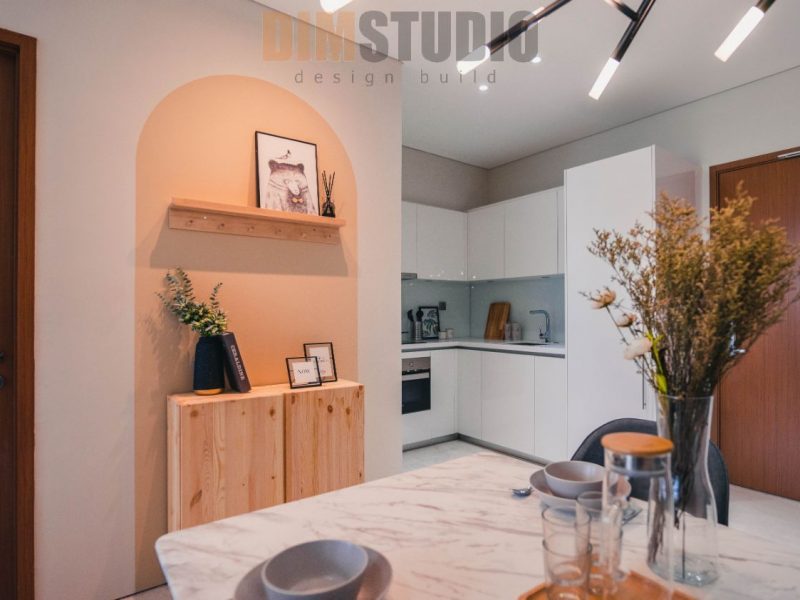
Related Articles
Plan Your SpaceEffective space planning is the foundation of good home interior design. These pieces form the backbone of your home’s design and can be accented with less expensive, trendy items. Light It UpLighting plays a crucial role in interior design. ConclusionHome interior design is a journey of self-expression and creativity. By understanding your style, planning your space, and thoughtfully selecting colors, textures, and furnishings, you can create a home that is both beautiful and functional.
0
5
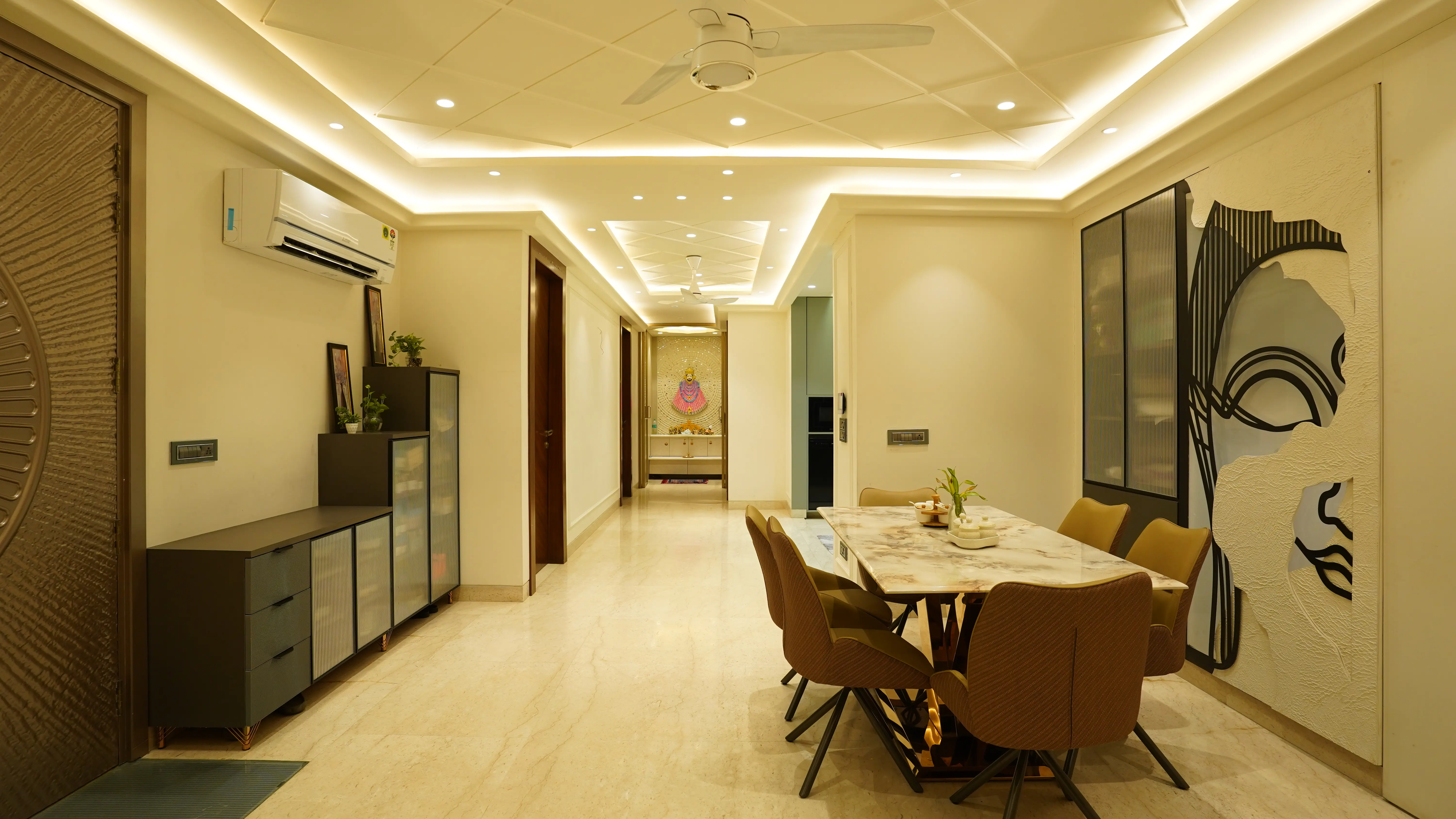
So here we look at duplex house design ideas and the ways they can actually work in the practical world. Elements of House Front DesignThe house front design is the frontal view that gives the first impression. Single Floor House Design BenefitsA single floor house design can ease your living space. Trends in Modern House DesignModern house design focuses on clean looks. What is the best house design style?
0
11
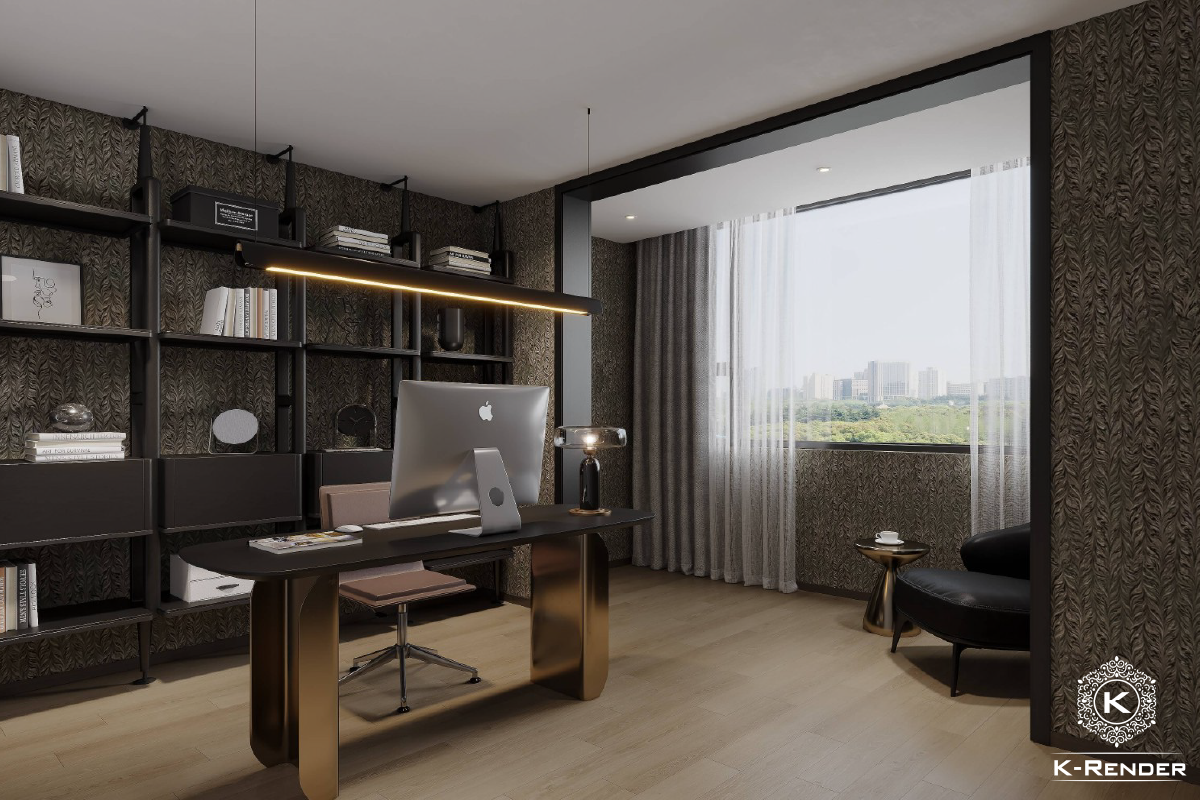
Thanks to the mix of light from the enormous windows and the black walls, the room doesn't feel dark and lifeless. In this design, the combination of large window frames and white drapes serves to emphasize the living room's dark interior. The black stone wall dividing the living room from the hallway adds to the space's grandeur and majesty. Modern changing room designs favor glass sliding cabinets or wall cabinets over conventional cabinets. You can consult our Black Diamond project about this design style.
0
2