

Home interior design transcends mere aesthetics, offering a unique opportunity to craft an environment that resonates with your personal style while optimizing functionality. Whether you're breathing new life into an older residence or embellishing a brand-new abode, a deep dive into the principles of interior design can lead to a balanced, harmonious home that enhances everyday living.
Understanding Space and Layout
Effective interior design begins with an insightful assessment of your available space and its potential:
- Flow of Movement: Careful analysis of traffic patterns in your home is crucial. Furniture should be arranged to facilitate easy movement between rooms. Consider the natural pathways from one area to another and arrange furniture to enhance, not obstruct, these paths.
- Functional Zoning: Each area of your home should serve a distinct purpose. Designate specific zones for dining, lounging, and work. Use design elements like rugs and lighting to subtly define different areas without the need for walls.
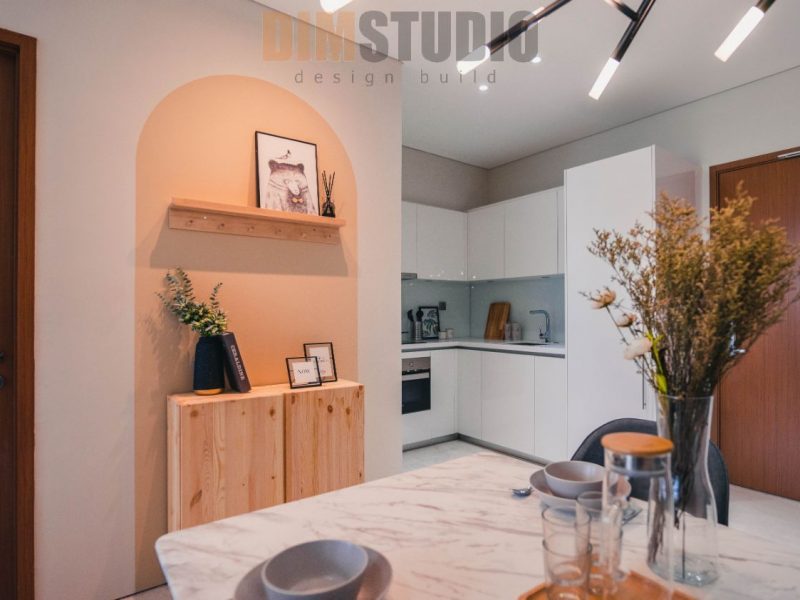
- Maximizing Small Spaces: In compact spaces, every inch counts. Opt for furniture that serves multiple purposes—such as beds with built-in storage or expandable dining tables. Vertical storage solutions and strategic furniture placement can also make a room feel larger and more open.
Color Schemes and Lighting
The colors and lighting in your home can dramatically affect how it feels and functions:
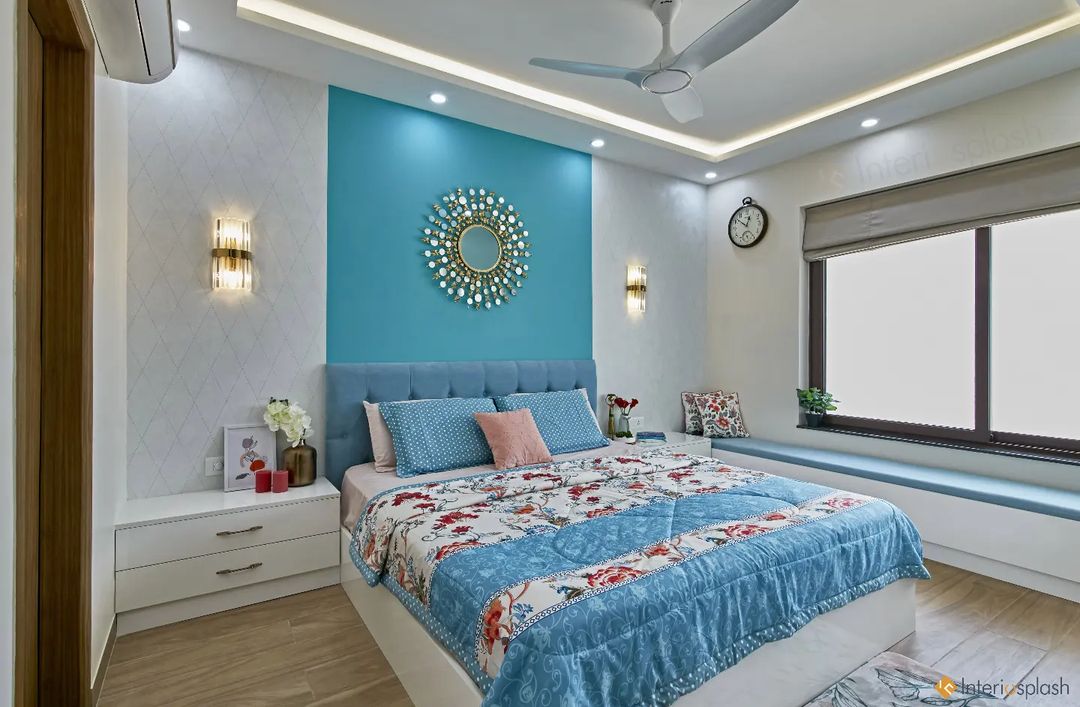
- Choosing a Palette: Decide on a color scheme that reflects the mood you want to evoke in each room. For example, blues and greens create a calming atmosphere, ideal for bedrooms and bathrooms, while vibrant colors like reds and oranges can energize a home office or kitchen.
- Natural vs. Artificial Lighting: Enhance spaces with natural light by choosing lighter, reflective colors for walls and floors. Use mirrors to reflect light and make spaces appear larger. Layer various forms of artificial lighting—ambient, task, and accent—to ensure functionality and create ambiance during the evening.
Textures and Materials
The interplay of textures and materials can add sophistication and interest to your home:
- Soft and Hard Materials: Combine hard surfaces such as wood flooring or metal fixtures with soft furnishings like plush sofas and curtains. This contrast adds depth and interest to rooms.
- Sustainable Choices: More homeowners are choosing sustainable options. Materials like reclaimed wood, recycled glass, and bamboo not only look beautiful but also help reduce environmental impact. They often come with unique stories and can be great conversation starters.
Furniture and Decor
Choosing the right furniture and decor is essential for a functional and visually appealing home:
- Scale and Proportion: The size of your furniture should complement the dimensions of your room. Avoid cluttering a small room with too large furniture or leaving large rooms too sparse.
- Personal Touches: Make your space your own by incorporating elements that reflect your personality, such as bespoke art pieces, collections, or handcrafted items. These personal touches make a house truly feel like a home.
Trends and Personal Style
While it's great to stay current, it's also important that your home reflects your individual style:
- Current Trends: Explore and incorporate elements from contemporary design trends like Japandi (a blend of Japanese and Scandinavian aesthetics), biophilic design, or the resurgence of Art Deco.
- Timeless vs. Trendy: Strive to find a balance between trendy and timeless. While it's fine to integrate trendy colors or patterns, base large investments, like furniture, in styles that you will appreciate for many years.
Practical Tips for Every Room
Tailor your approach to each room for the best results:
- Living Room: Invest in a good quality sofa as a centerpiece, choose a durable yet attractive flooring, and use accent pillows and throws to bring color and texture.
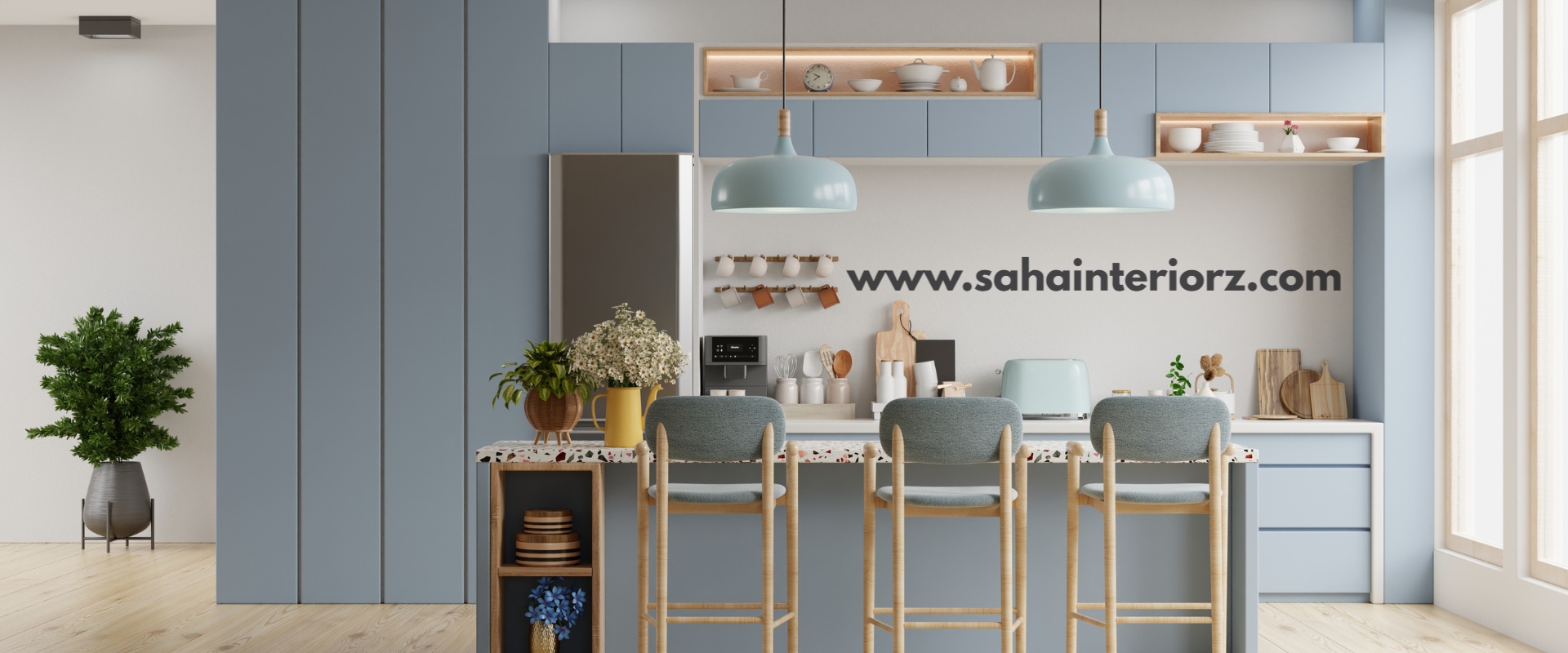
- Kitchen: Prioritize functionality with a well-planned layout. Choose high-quality cabinets and fixtures that can withstand daily use. Consider a statement backsplash or chic pendant lights to elevate the style.
- Bedroom: Focus on creating a sanctuary. Invest in a high-quality mattress and luxurious linens. Soft, calming colors can help enhance sleep quality.
- Bathroom: Use high-quality materials that resist moisture well. A walk-in shower, ample lighting, and mirrors can make the bathroom feel more spacious and luxurious.
Conclusion
Designing your home should be a fulfilling journey, not just a task to complete. Experiment with different styles and colors, make bold choices where you see fit, and always prioritize functionality. With a thoughtful approach, you can transform any space into a beautiful and livable home that reflects the best aspects of your personality and lifestyle.