


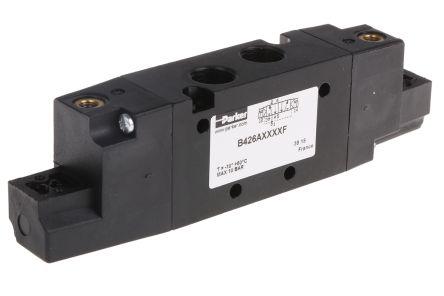
Pneumatic systems play a critical role in various industrial applications, from manufacturing to automation. Central to these systems are pneumatic valves, which regulate, direct, and control the flow of compressed air or inert gas. In this detailed exploration, we delve into the function, types, and advantages of pneumatic valves, illustrating their impact on industrial efficiency.
Understanding Pneumatic Valves: A Gateway to Enhanced Performance
- Definition and Function: Pneumatic valves are devices that manage the flow and pressure of air in a pneumatic system. They are essential for initiating, stopping, and directing the movement of compressed air.
- Core Components: These valves typically consist of a body, internal moving parts (spool or poppet), actuators, and ports. The design ensures minimal air leakage and efficient operation.
The Different Types of Pneumatic Valves
Choosing the right valve can significantly influence system efficiency and reliability. Here are the main types:
- Directional Control Valves: They direct airflow paths from one port to another. Variants include 2-way, 3-way, and 4-way valves, each suited for specific applications.
- Pressure Control Valves: These regulate the pressure within a system to enhance functionality and safety. Examples include relief valves, regulators, and sequence valves.
- Flow Control Valves: They adjust the flow rate of air. Needle valves and quick exhaust valves are typical examples that ensure precise control over air speed and volume.
Advantages of Using Pneumatic Valves in Automation
Pneumatic valves are integral to automation due to their reliability and speed. Here’s how they contribute to industrial processes:
- Rapid Response Times: The quick actuation of pneumatic valves allows for high-speed operation of automated machinery, essential in assembly lines and robotic applications.
- Durability and Reliability: Pneumatics are preferred in environments that are dusty, hot, or moist, where electronic components might fail.
- Cost-Effectiveness: Pneumatic systems, including their valves, are generally more cost-effective to install and maintain compared to their hydraulic and electric counterparts.
Selecting the Right Pneumatic Valve for Your Needs
The selection of the appropriate pneumatic valve depends on several factors:
- Application Requirements: Consider the nature of the task—whether it requires continuous airflow, adjustable flow rates, or directional control.
- Operating Environment: Factors such as temperature, cleanliness, and moisture can affect valve performance and longevity.
- Safety and Compliance: Ensure that the valves meet industry standards and safety regulations to prevent operational hazards.
Installation and Maintenance: Key to Longevity
Proper installation and regular maintenance are vital to maximizing the lifespan and efficiency of pneumatic valves:
- Professional Installation: Always have pneumatic valves installed by qualified personnel to avoid common pitfalls like air leaks or pressure drops.
- Routine Maintenance: Regular checks for wear and tear, lubrication, and testing are essential to maintain optimal performance and prevent downtime.
Future Trends in Pneumatic Valve Technology
The continuous advancement in pneumatic valve technology promises even greater efficiencies and capabilities:
- Smart Pneumatic Valves: Integration with IoT devices for real-time data monitoring and control is on the rise, enabling predictive maintenance and improved operational efficiency.
- Eco-Friendly Innovations: Developments in reducing energy consumption and minimizing waste are prioritized to meet global sustainability goals.
Conclusion: The Role of Pneumatic Valves in Industrial Growth
Pneumatic valves are more than just components; they are facilitators of automation and efficiency in industrial environments. With the right selection, installation, and maintenance, these valves can significantly boost productivity and contribute to the operational success of various industries.
By understanding the different types of pneumatic valves and their specific advantages, industries can make informed decisions that lead to optimized performance and cost savings. The future of pneumatic valves is set to offer even more innovations, making them indispensable in the evolving landscape of industrial technology.



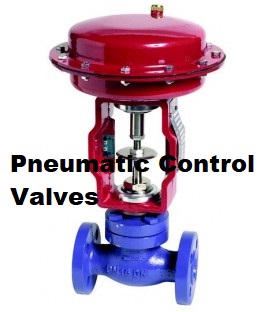
As far as the type is concerned, it can also be segregated as Regulated type and Switching type.
The most striking benefits attached with its use may include elongated life, simple maintenance, high efficacy, consistency, simple framework, and increased flexibility to severe surroundings.
The only flaws associated with it entails reduced precision level, slow rate of loading, need of processing before employment, and imbalanced moving speed.
All these factors are turning as major restraints in the market growth.Request a Sample Copy of This Report @ https://www.millioninsights.com/industry-reports/pneumatic-control-valve-market/request-sampleThe key factors that are responsible for the market growth entails growing applications across various sectors, rise in the industrialization, constant innovations, augmented demands particularly from the oil and gas sectors, technological advancements, rising prerequisite, increased benefits, rising investments, and emergence of leading manufacturers across the globe.
Owing to all the above-mentioned factors, it has been anticipated that the Pneumatic Control Valves Market will register a healthy CAGR in the forecast period.
Pneumatic Control Valves Market is segmented on the basis of application as Pharmaceutical, Building & Construction, Oil & Gas, Water & Wastewater, Food & Beverages, Energy & Power, and Chemical.