


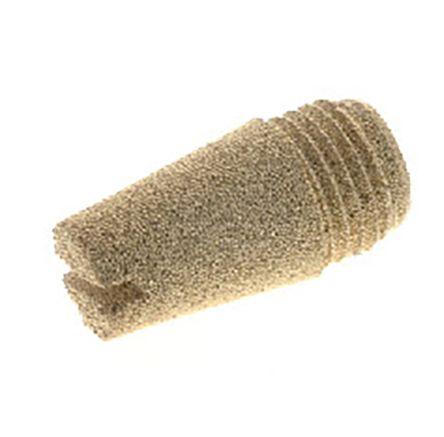
Introduction to Pneumatic Silencers
Pneumatic systems are integral to various industrial applications, from manufacturing to automation. While these systems are highly efficient, they can also produce significant noise, which can lead to workplace discomfort and potential hearing damage. Pneumatic silencers, also known as mufflers, play a crucial role in reducing this noise, making industrial environments safer and more productive. In this blog post, we will explore the benefits and types of pneumatic silencers, and how to select the right one for your needs.
Understanding the Importance of Noise Reduction in Pneumatic Systems
- Health and Safety: Excessive noise can lead to hearing loss and other health issues among workers. Silencers are vital in maintaining a safe working environment.
- Compliance with Regulations: Many industries are governed by strict noise regulations. Using pneumatic silencers helps in complying with these legal requirements.
- Enhanced Productivity: Quieter environments improve worker concentration and efficiency, directly impacting productivity positively.
Types of Pneumatic Silencers
- Sintered Bronze Silencers: Ideal for general applications, these silencers effectively reduce noise while preventing dust and particulate matter from entering the system.
- Porous Plastic Silencers: These are suitable for environments where minimal resistance to airflow is critical. They also excel in environments requiring chemical resistance.
- Expansion Chamber Silencers: Best for high-pressure applications, these silencers handle larger volumes of air, reducing noise through an expansion chamber mechanism.
Selecting the Right Pneumatic Silencer
Choosing the appropriate silencer depends on several factors:
- Operating Environment: Consider the environmental conditions, such as temperature, humidity, and chemical exposure, which can affect the silencer's material and design.
- Air Flow and Pressure Requirements: Select a silencer that can handle your system’s airflow and pressure without causing excessive back pressure.
- Noise Reduction Requirements: Assess the decibel reduction needed based on your operational compliance requirements and comfort.
Installation and Maintenance of Pneumatic Silencers
- Installation Tips: Ensure that the silencer is compatible with your system’s port size and type. Installation should be straightforward, typically requiring only simple tools.
- Maintenance Practices: Regular checks for clogs and damage can extend the life of the silencer and maintain its efficiency in noise reduction.
Advances in Silencer Technology
The development of pneumatic silencers has seen significant innovations aimed at enhancing performance and environmental compatibility:
- Eco-friendly Materials: Newer models are being designed with sustainable materials that offer durability without compromising performance.
- Customizable Designs: Advances in technology have allowed for more tailored designs that fit specific industrial applications, improving both efficiency and effectiveness in noise reduction.
Conclusion
Pneumatic silencers are not just add-ons but essential components of modern pneumatic systems. They contribute significantly to creating a safer, more compliant, and productive workplace. Selecting the right pneumatic silencer involves understanding your system's needs and the specific demands of your operating environment. With the right silencer in place, you can enhance the operational efficiency of your pneumatic systems while ensuring compliance and safety in your industrial operations.



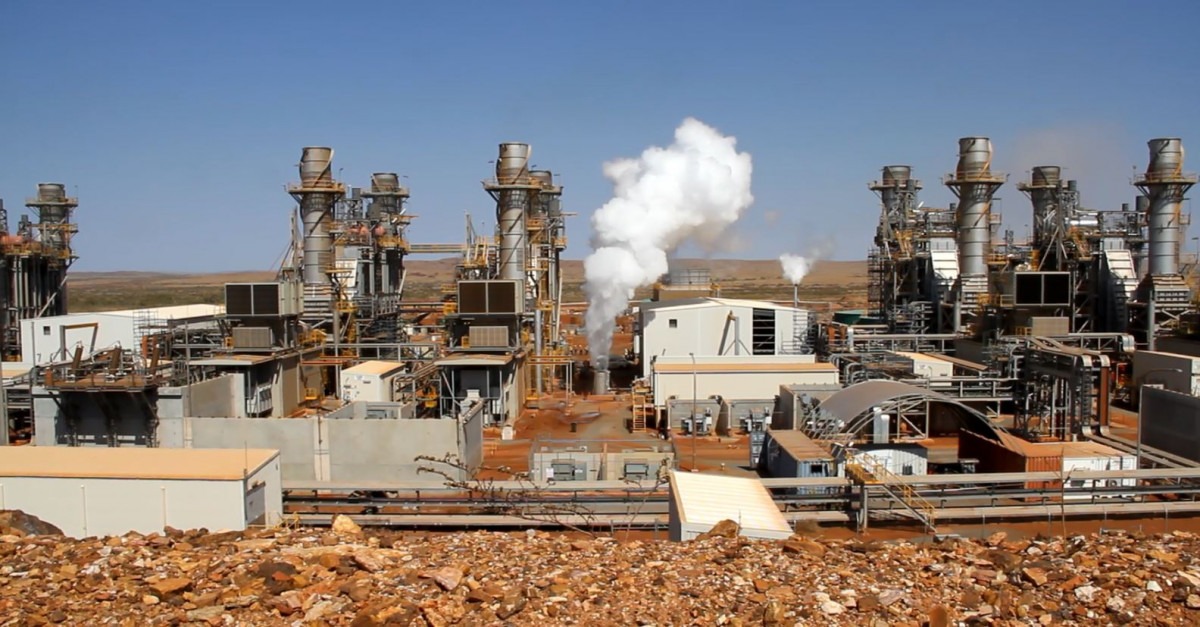
Vent Silencers:- IAC Acoustics (Australia) Pty.
Ltd. is a leading manufacturer of high performance Acoustic Products such as acoustic doors, windows, Louvres, Anechoic Chambers, Audiology Booth etc.
that are tailored to suit the demands of the Australasian market.
To know more, visit https://www.iac-australia.com.au/

The statistical surveying report on the global SERS Substrate Market has been presented by using professional or expert knowledge through standard and modified research approaches and forecasts.
The yearly forecast and predication for the years 2020 to 2025 have been enclosed by the report along with comprehensive analysis for all market segments and regions.
The statistical data derived from authentic resources and assisted by industry experts.
It likewise assesses the market by evaluating market elements, including drivers, restraints, opportunities, threats, challenges, growth prospects, and other market elements.The global SERS substrate market report presents a complete research-based study of the industry including details such as company shares, forecast data, in-depth analysis and an outlook of the market on a worldwide platform.
The report further highlights the market drivers, restraints and the top manufacturers at the global and regional levels.
For a thorough understanding, the report also offers market segmentation and regional analysis for the forecast period from 2020 to 2025.Get FREE Sample Report Copy @ https://www.decisiondatabases.com/contact/download-sample-42129According to this study, over the next five years, the SERS substrate market will register an 8.2% CAGR in terms of revenue, the global market size will reach US$ 11 million by 2025, from US$ 8 million in 2019.