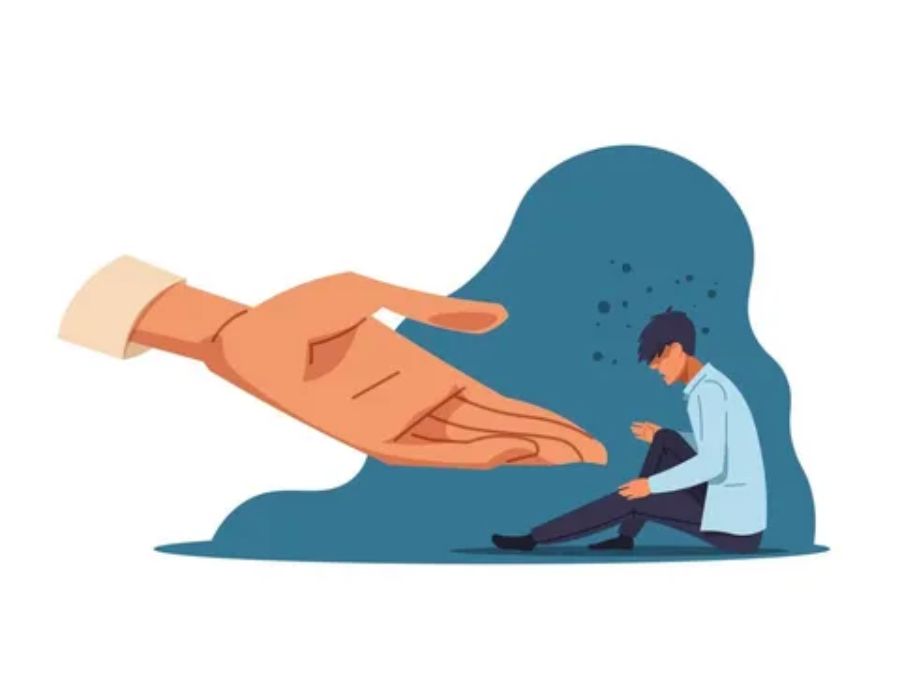


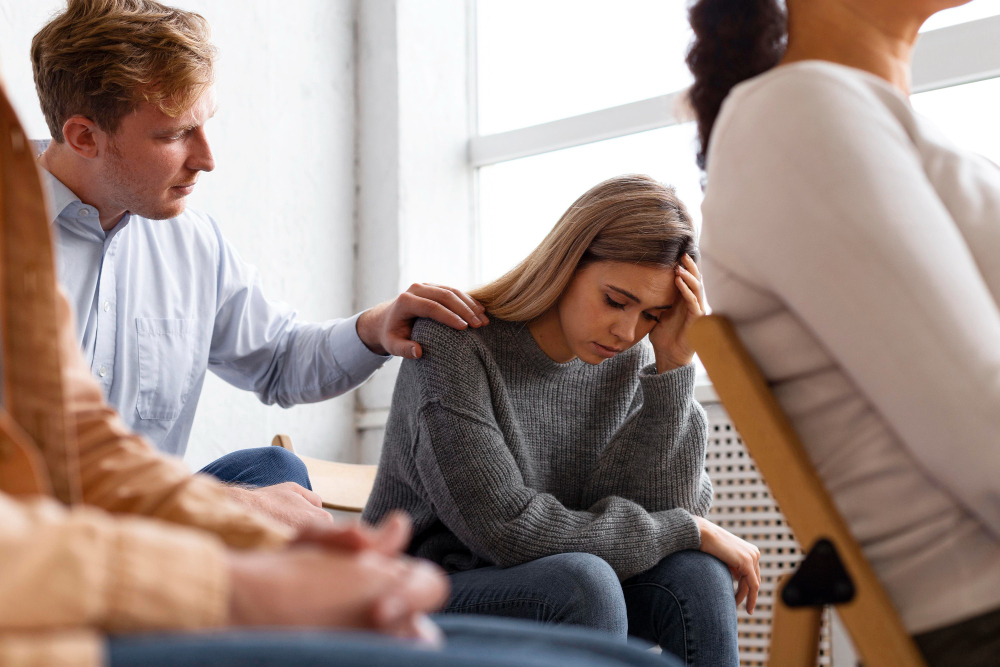
Trauma can significantly impact relationships, often creating barriers to intimacy, trust, and emotional connection. Whether the trauma was experienced individually or shared, its effects can ripple through a relationship, challenging even the strongest bonds. Understanding how trauma affects relationships and finding ways to heal together is crucial for couples and families navigating these difficult experiences.
Impact of Trauma on Relationships
- Trust Issues:Trauma, especially when it involves betrayal or abuse, can severely damage an individual’s ability to trust others. This mistrust can extend to loved ones, leading to suspicion, fear, and emotional distance. Even when the partner has done nothing wrong, the survivor may struggle to feel safe and secure in the relationship.
- Communication Breakdown:Trauma often causes individuals to withdraw or shut down emotionally, making it difficult for them to express their feelings and needs. This lack of communication can create misunderstandings, resentment, and a sense of isolation within the relationship.
- Emotional Dysregulation:Trauma survivors may experience intense emotions that can seem unpredictable or overwhelming. This can lead to mood swings, irritability, or anxiety, making it challenging for partners to navigate daily interactions without conflict.
- Intimacy Challenges:Trauma, particularly if it’s related to sexual abuse or assault, can lead to difficulties with physical intimacy. Survivors may feel disconnected from their bodies, experience flashbacks during intimate moments, or avoid closeness altogether, causing strain in the relationship.
Healing Together
- Open Communication:Establishing open, honest, and non-judgmental communication is essential for healing. Partners should feel safe to express their feelings and concerns without fear of rejection or criticism. Discussing trauma and its effects can help both partners understand each other’s experiences and needs.
- Seeking Professional Help:Trauma-informed therapy can be a valuable tool for couples struggling with the effects of trauma. Therapists can guide both partners in understanding how trauma impacts the relationship and provide strategies for rebuilding trust, improving communication, and fostering emotional intimacy.
- Practicing Patience and Compassion:Healing from trauma is a gradual process that requires patience from both partners. Compassion and empathy are key to supporting each other through difficult moments. Acknowledging that the healing journey will have ups and downs can help maintain perspective and commitment.
- Rebuilding Intimacy:Rebuilding intimacy may involve taking small, gradual steps toward closeness. This can include non-sexual forms of physical affection, such as holding hands or cuddling, as well as finding new ways to connect emotionally.
By addressing trauma's impact together, couples can not only survive the challenges it presents but also strengthen their relationship, building a deeper bond based on mutual understanding, support, and love.
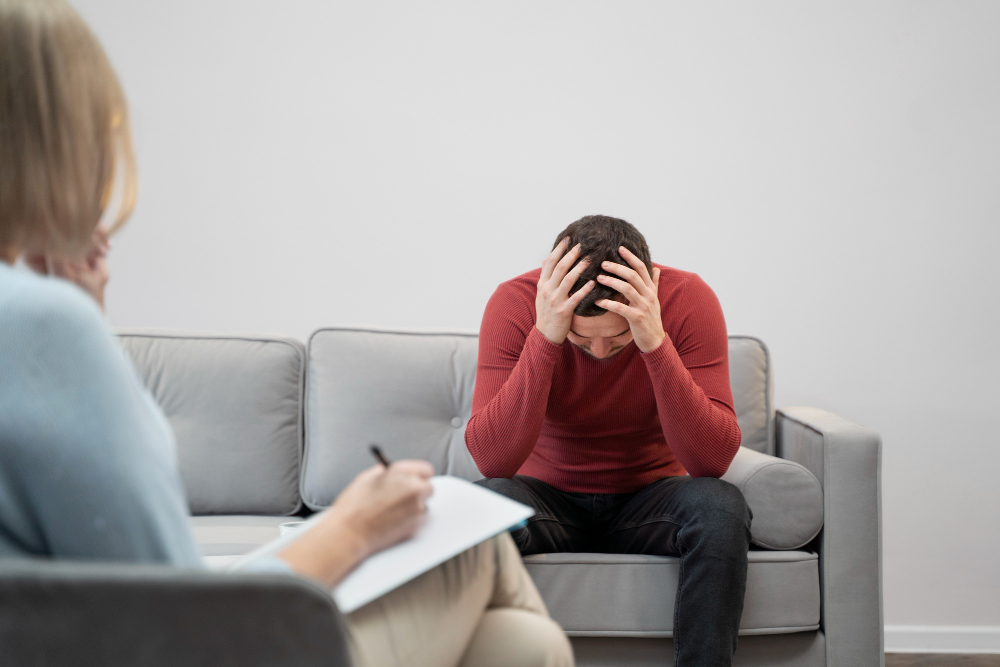


As such, they may well want the assistance of qualified professionals who are trained to help this individual get for the bottom of their emotional problems.
These pros are also in a position to aid someone make methods for new and healthy coping tools.
Get extra facts about trauma counsellingIn order for a person to grow to be and to present counseling service, they've to first take classes in social troubles, psychology, as well as other courses dealing with people expertise, and in conflict resolution.
They aren't medical specialists, while a psychologist can counsel people.
A professional counselor performs exclusively to help people resolve their live problems, and their emotional concerns.There are plenty of types of difficulties which can be manages, and even resolved with qualified counseling.
These challenges can incorporate phobias, smoking cessation, people abilities, self-esteem, and also other concerns coping with one's feelings.