

High blood pressure, or hypertension, is one of the most widespread health conditions globally, often developing without noticeable symptoms. Despite its subtlety, uncontrolled hypertension poses significant risks to the heart, kidneys, and even the brain. The good news is that by combining modern medicine with practical lifestyle changes, you can effectively manage high blood pressure. Let's explore the integrative approaches to keeping your blood pressure in check.
What Lifestyle Changes Help Manage High Blood Pressure?
Lifestyle changes play a pivotal role in controlling high blood pressure. Modifying every day habits can drastically improve your blood pressure levels and overall heart health. Here are some of the most effective changes:
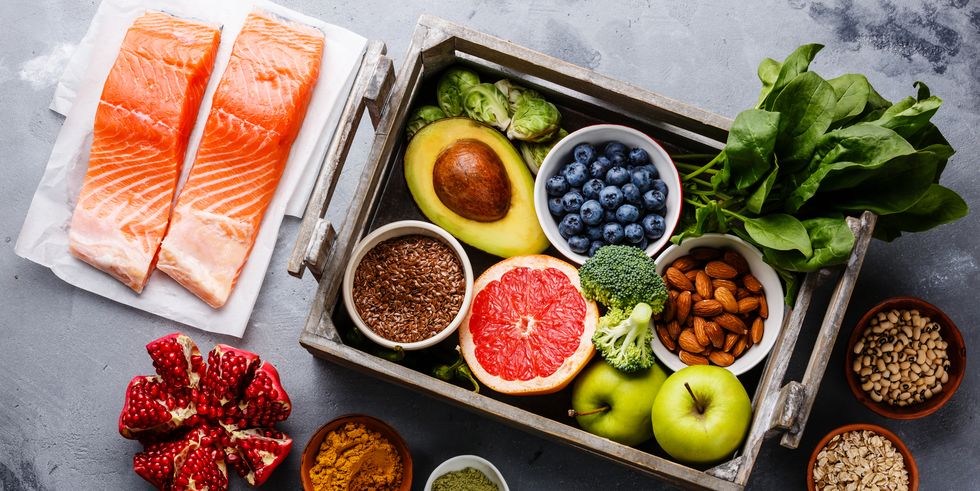
1. Dietary Adjustments: Following a heart-healthy eating plan, such as the DASH diet, can help alleviate blood pressure. Foods high in potassium, magnesium, and calcium, such as leafy greens and low-fat dairy, are also beneficial.
2. Regular Exercise: Incorporating regular workouts into your routine, such as brisk walking, swimming, or cycling, for 30 minutes most days of the week can help lower blood pressure. Physical activity makes the heart stronger, enabling it to pump blood with less effort, which reduces the pressure on the arteries.
3. Weight Management: Being overweight can significantly contribute to high blood pressure. Shedding even a small amount of weight can improve blood pressure and reduce the strain on the heart.
4. Reducing Stress: Chronic stress can elevate blood pressure, so it's essential to adopt stress-reducing techniques like meditation, deep breathing exercises, yoga, or spending time doing activities you enjoy.
How Do Medications Help Manage Hypertension?
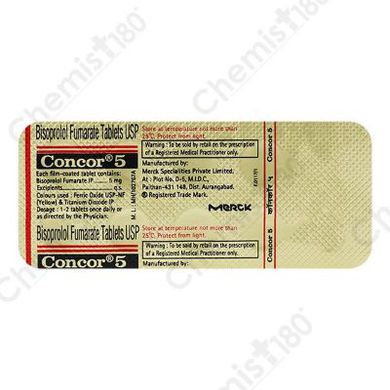
In many cases, lifestyle changes may not be sufficient to lower blood pressure, especially when hypertension is moderate to severe. In such situations, doctors often prescribe medications, known as anti-hypertensives. One such medication is Concor COR 2.5mg Tablet, containing bisoprolol, a beta-blocker that helps the heart beat with less force, lowering blood pressure and easing the strain on the cardiovascular system.
Medications are a crucial part of hypertension management but work best when paired with other efforts like healthy eating and regular exercise. It's also important to follow your healthcare provider’s guidance closely and attend regular check-ups to ensure that your treatment is tailored to your evolving health needs.
Can Hypertension Be Reversed Naturally?
While medications are critical, some people also look for natural remedies to complement their treatment. Natural approaches can enhance the effectiveness of prescribed treatments, but they should always be used in conjunction with, not as a replacement for, traditional medications.
1. Herbal Supplements: Some herbs, such as garlic, have been linked to lower blood pressure in certain studies. Fish oil and flaxseed supplements may also provide benefits. However, it’s essential to speak with your cardiologist before adding any supplements to your routine, as they can sometimes interact with medications.
2. Mind-Body Techniques: Yoga, tai chi, and meditation can help regulate stress and improve circulation, which may aid in controlling blood pressure levels. These practices help relax the body and reduce stress hormones, promoting overall heart health.
3. Dietary Changes: Incorporating more foods rich in potassium - such as bananas, avocados, and leafy greens - can help manage hypertension by counteracting the effects of sodium in your diet.
Why Is It Important to Regularly Monitor Blood Pressure?
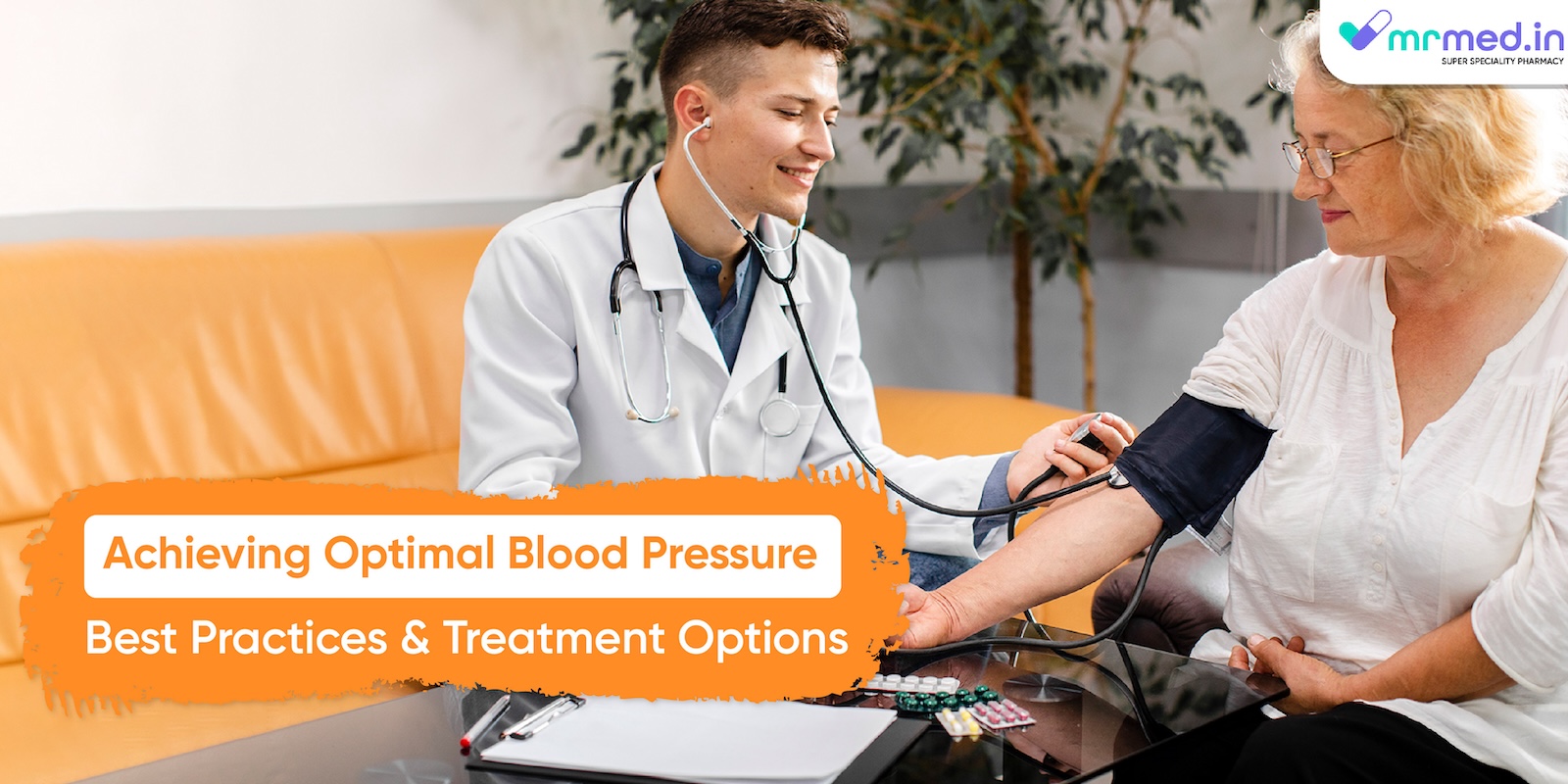
Tracking blood pressure regularly is vital in managing hypertension effectively. It helps you and your doctor monitor your condition and evaluate how well your current treatment is working. Here are some ways to monitor your blood pressure:
1. Home Monitoring Devices: Purchasing a high-quality home blood pressure monitor enables you to monitor your readings on a daily basis. This helps you observe any changes and notice patterns that may require adjustments in your treatment plan.
2. Doctor Visits: Even with home monitoring, regular check-ups with your healthcare provider are necessary. Doctors can assess your long-term blood pressure trends, adjust medications, or recommend lifestyle changes based on your readings.
3. Keep a Log: Writing down your blood pressure readings every day or using an app to track them can help you notice trends and fluctuations over time. Bringing this log to your appointments can provide your doctor with valuable insights for managing your hypertension.
Can Routine Habits Help Control High Blood Pressure?
Yes, maintaining consistency is crucial when it comes to controlling blood pressure. Whether it's taking medications, exercising, or following a healthy diet, maintaining these habits over the long term is essential for effective hypertension management. Here are a few tips to stay on track:
1. Medication Routine: Set reminders on your phone or use a pill organiser to help you remember to take your medication daily.
2. Incorporate Exercise: Make physical activity part of your daily routine, whether it's a morning walk or an after-dinner yoga session.
3. Regular Check-Ins: Keep up with regular appointments with your doctor to ensure your treatment plan remains effective. Discuss any changes in your condition and ask for advice on maintaining consistency in your management approach.
Ending Note
Incorporating a variety of strategies such as medications, lifestyle adjustments, and natural remedies into your hypertension management plan can help you maintain healthier blood pressure levels. With persistence and an integrative approach, you can keep hypertension under control and lower your risk of serious complications.