

Key Takeaways
- Early meningitis symptoms can resemble a common fever, but progress rapidly
- Severe headache, neck stiffness, and confusion need urgent medical care
- Infants and older adults are at higher risk of serious complications
- Bacterial meningitis is a medical emergency
- Timely vaccination lowers the risk of preventable meningitis
Meningitis is one of those illnesses that does not always announce itself loudly at the start. In many cases, it begins like a common viral fever or flu. A mild headache, slight fever, or body ache can feel easy to ignore, especially during seasonal infections. The danger lies in how quickly meningitis can worsen if early signs are missed.
Knowing what to watch for and acting fast can make a life-saving difference.
What Is Meningitis?
Meningitis is an infectious and inflammatory condition of the protective membranes surrounding the central nervous system (CNS), primarily the spinal cord and the brain. Meningitis can result from various types of pathogens, including viruses, bacteria, and occasionally fungi. Clinicians recognise viral meningitis as one of the most serious. As such, it requires immediate treatment with antibiotics.
Meningitis can affect anyone; infants and young children, elderly individuals, and people with compromised immune systems are at an increased risk of developing this disease.
Why Early Signs Are Often Missed
In the beginning, meningitis symptoms may resemble a regular fever or a viral infection. This resemblance leads many people to delay seeking medical care. Unfortunately, meningitis can progress rapidly within hours, leading to serious complications if treatment is delayed.
That is why recognising early warning signs is critical.
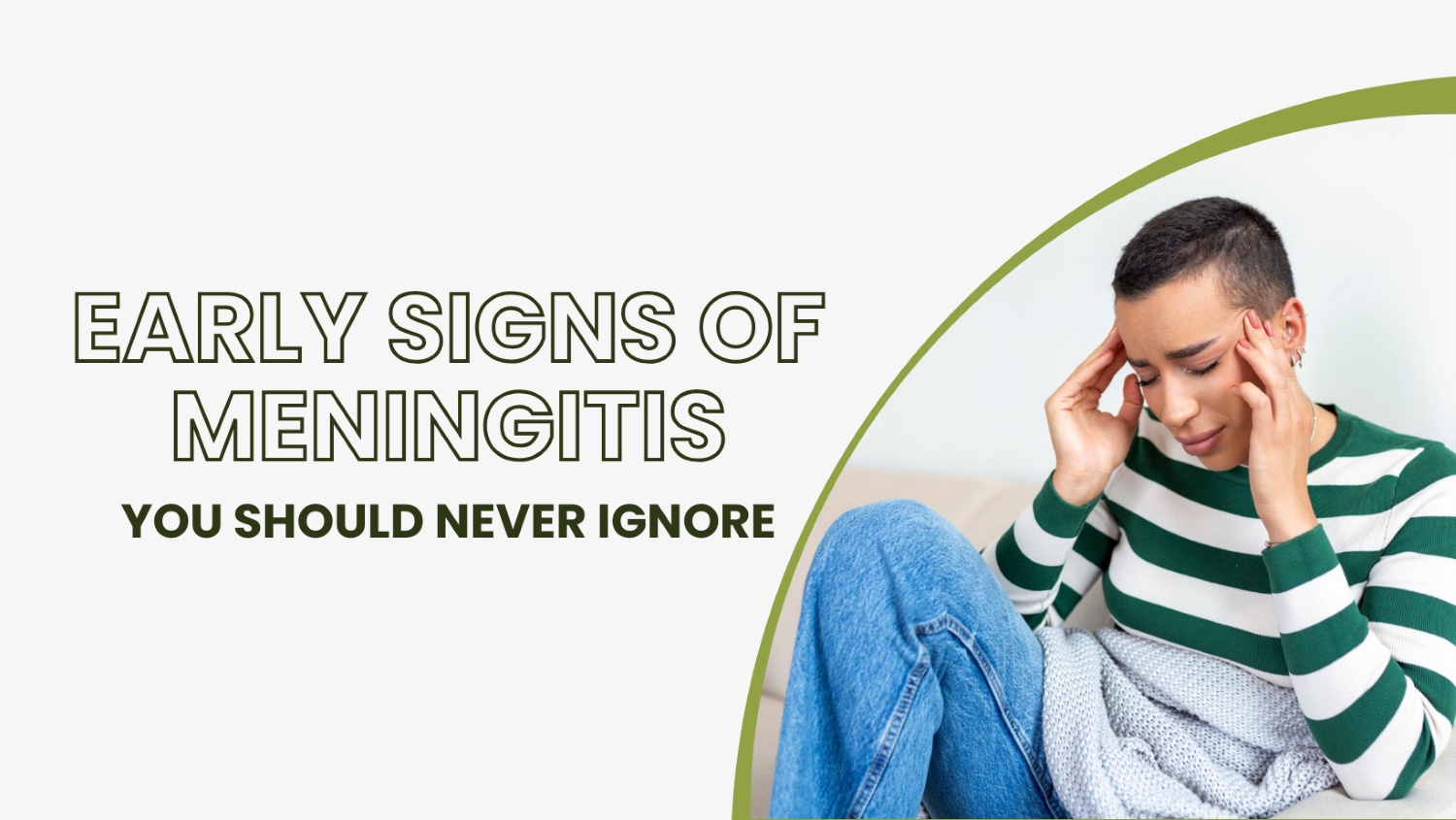
Early Signs of Meningitis You Should Never Ignore
1. Sudden Fever
You may have experienced a sudden high fever as one of the earliest signs of meningitis. A sudden increase in temperature can indicate meningitis.
2. Intense Head Pain
Most people say the intensity of their headache was unlike anything they have ever felt before. The headache does not go away easily and can worsen with exposure to bright light and movement.
3. Stiff Neck
Another early symptom of meningitis is the inability to bend your neck forward without feeling some pain. Even slight neck movement can cause severe pain and/or difficulty with movement.
4. Light Sensitivity
Some people are very sensitive to bright lights. As a result, you may want to lie in a darkened room or keep your eyes closed if you experience discomfort from bright lights.
5. Vomiting/Nausea
Meningitis often causes nausea and vomiting.
6. Confusion/Drowsiness
If you are extremely tired or having difficulty focusing, you may be experiencing symptoms of meningitis.
Moving the head or neck can cause severe pain in people with meningitis. Therefore, try not to move your head or neck unless necessary.
Warning Signs in Infants and Young Children
Meningitis can look very different in babies and young children. Watch for:
- Constant crying that does not settle
- Poor feeding
- Bulging soft spot on the head
- Unusual sleepiness or floppy body
- High fever or cold hands and feet
In babies, symptoms may be subtle but progress quickly.
When Meningitis Becomes an Emergency
Seek immediate medical help if fever is accompanied by:
- Severe headache
- Neck stiffness
- Confusion
- Seizures
- Difficulty breathing
- Purple or dark skin rash
Do not wait for all symptoms to appear. Even one or two warning signs are enough to act.
How Meningitis Is Diagnosed and Treated
Physicians diagnose meningitis using blood tests, imaging, and a lumbar puncture to determine whether someone has meningitis; treatment depends on the type of spine involved and the cause of the infection. For bacterial meningitis, hospitalisation is necessary, with IV antibiotics the principal means of providing immediate treatment. In the case of viral meningitis, supportive therapy is acceptable; however, continued follow-up is advised. Timely treatment significantly reduces the risk of complications, including total deafness and/or mental impairment.
Role of Vaccination in Preventing Meningitis
Vaccination is one of the most effective ways to protect against certain types of meningitis.
The Prevenar 13, Which Contains the Pneumococcal vaccine, helps protect against infections caused by pneumococcal bacteria, which can lead to meningitis, pneumonia, and bloodstream infections.
Vaccination is especially important for:
- Infants and young children
- Older adults
- People with chronic medical conditions
- Individuals with weakened immunity
A doctor can advise on the appropriate vaccination schedule based on age and health status.
Who Is at Higher Risk?
Meningitis risk is higher in:
- Children under five years
- Teenagers and young adults
- Adults over 60 years
- People with diabetes, cancer, or immune disorders
- Those living in crowded environments
Awareness and prevention are especially important in these groups.
Final Thoughts
Meningitis is not common, but when it occurs, it can become serious very quickly. The early signs are often subtle and easy to dismiss, which makes awareness crucial. Trust your instincts if something feels unusual, especially when fever is paired with headache, neck stiffness, or confusion.
Prompt medical attention and preventive vaccination can save lives. When it comes to meningitis, acting early is always better than waiting too long.