





Key Takeaways
- The fastest bone loss occurs in the first 5–10 years after menopause
- Osteoporosis often develops silently without early symptoms
- Lifestyle choices strongly influence postmenopausal bone health
- Early screening helps prevent fractures before they happen
- Timely care protects long-term mobility and independence.
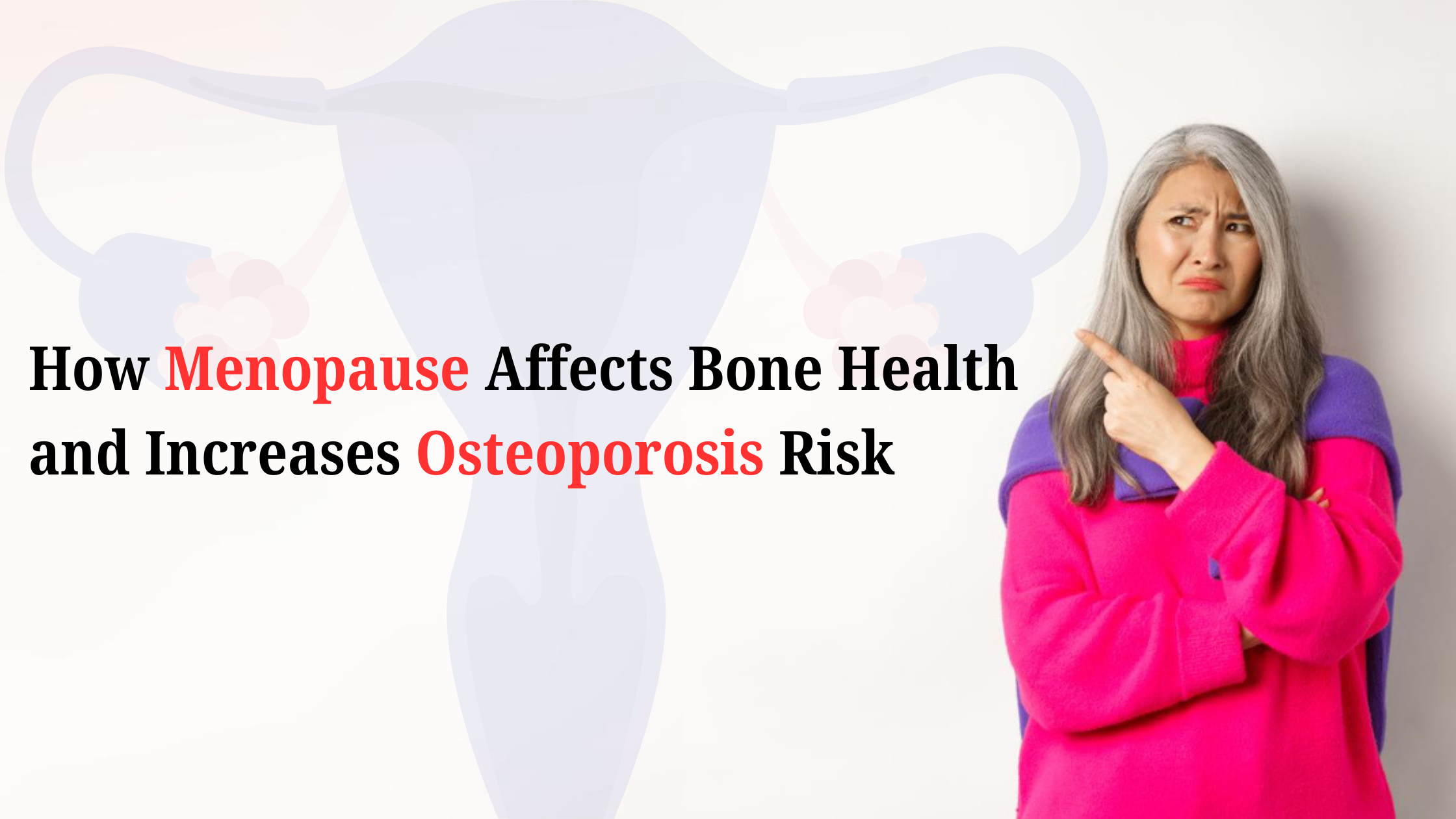
While menopause's hot flashes, mood disturbances, and restless nights garner aggressive attention, the events happening inside a woman's skeleton during this stage are much quieter and, therefore, less understood or discussed. Many women nearing their 50's may be healthy looking and feeling when they are actually undergoing the rapid and sometimes permanent changes to their bones as a consequence of menopause, which can go unrecognised until a fracture happens!
Gaining knowledge of the impact of menopause on a woman's bone health is intended not to create fear but rather awareness, preparedness, and reducing menopause symptoms.
Why Bone Health Changes After Menopause
Bone becomes a living tissue through continued remodelling of existing bone and the reconstruction of new bone. In all stages of development, bone remodelling occurs at a steady rate. When Women achieve menopause, bone remodelling is affected.
The effects of menopause on bone are due primarily to the dramatic decline of Estrogen in a woman's body. Estrogen has a protective effect by decreasing the amount of bone that is broken down and resorbed,
Therefore, after menopause, women lose more bone mass faster than at any previous stage of their adult life; hence, Osteoporosis is much more prevalent among postmenopausal women compared to postmenopausal men of the same age.
The Critical Window: First Years After Menopause
Bone density loss generally happens more rapidly after menopause than at any other time in a woman’s life. In fact, the largest decline in bone density typically occurs in the first 5 to 10 years following menopause.
During that time, many women may experience:
(1) A rapid decline in bone density,
(2) Microfractures developing without symptoms,
(3) A substantial reduction in the strength of bone structure.
Although many women do not experience symptoms of bone loss during the first 5 to 10 years following menopause, bone loss is often so pronounced by this stage that it can cause severe damage before pain appears or fractures occur.
How Osteoporosis Develops Without Symptoms
Because it does not frequently cause pain until a fracture occurs, the general public sometimes refers to osteoporosis as an insidious illness. Osteoporosis produces no warning signs and develops a porous/fragile condition of the bone structure.
In addition to the spine, other areas of common fractures include:
- Hip - loss of mobility usually occurs.
- Wrist/Forearm.
- Fracture(s) can also develop through routine everyday movements and through minor falls once bone strength is compromised.
Risk Factors That Increase Vulnerability
Menopause increases your risk of bone loss; however, several other factors also increase your risk of bone loss or more severe bone loss.
Items include:
- Menopause at an early age or surgical menopause.
- Family history of broken bones.
- Low body weight (BMI of under 18.5).
- Deficiency in Vitamin D.
- Lack of exercise (sedentary lifestyle).
- Smoking or excessive alcohol consumption.
- Long-term use of steroid medications.
Women who have multiple risk factors should be screened sooner and offered greater access to preventative care and intervention.
How Lifestyle Influences Bone Loss After Menopause
The rapidity of bone loss is influenced significantly by daily lifestyle habits. The following habits may provide some protection from the damaging effects of bone loss:
- Weight-bearing activity, such as walking or light resistance training.
- Sufficient amounts of both protein and calcium are required daily.
- Receiving sunlight regularly for Vitamin D.
- Not being sedentary for lengthy periods of time.
Women in good health can still accelerate bone loss through poor nutrition, excessive dieting, and lack of physical activity.
Screening and Monitoring Bone Health
Testing for bone mineral density (BMD) aids in diagnosing osteoporosis before a fracture occurs. Health care providers frequently recommend screening women over the age of 65 years and/or at risk for developing osteoporosis at a younger age.
Conducting yearly screenings allows for:
- Timely identification of women with osteoporosis or at risk of developing the disease.
- Tracking the impact of lifestyle changes on the density of their bones.
- Providing information to make decisions regarding when to initiate treatment.
- By identifying women with osteoporosis early, they will have the opportunity to transition from a reactive treatment modality to a preventative approach.
When Medical Treatment Is Considered
A high risk for fractures is generally when lifestyle changes alone will not be enough to prevent someone from getting a fracture. In those cases, physicians may discuss the types of medication that can help regulate bone metabolism.
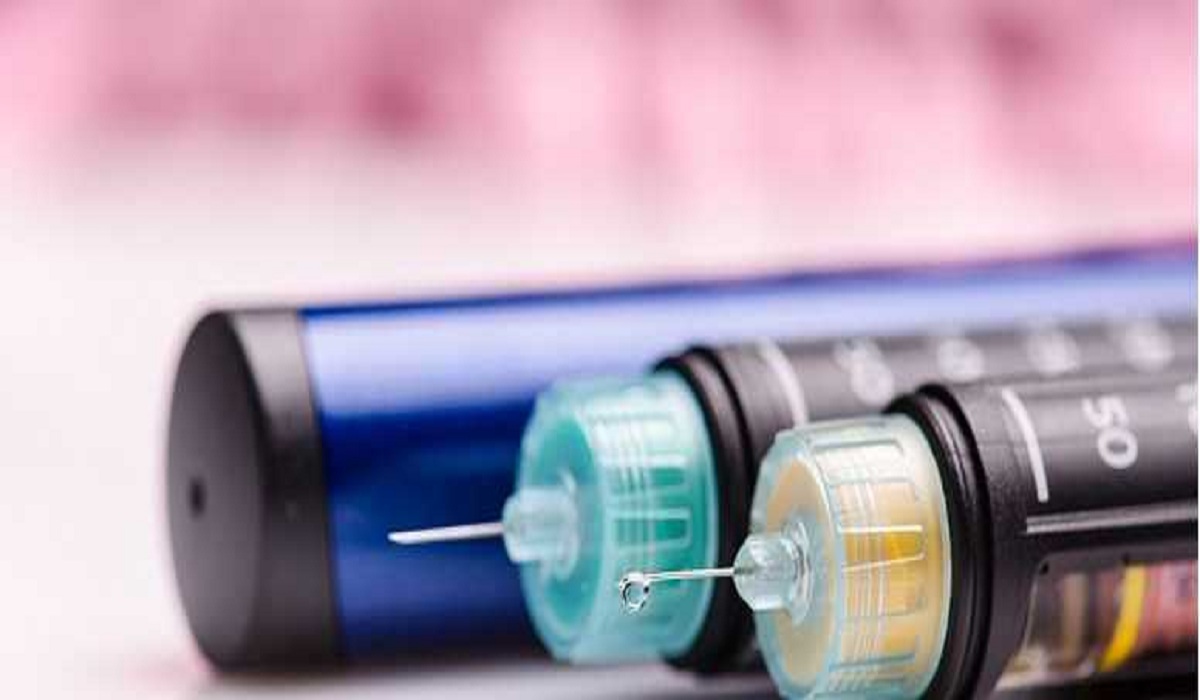
An example of a medication used to treat osteoporosis is Evenity Injection, which contains the active component Romosozumab. This medication has the potential to help prevent fractures by increasing bone formation and decreasing menopausal symptoms. This medication is typically prescribed under a specialist's authority, especially for women who have been diagnosed with significant osteoporotic changes or have previously sustained a fracture.
Menopause Symptoms and Bone Health Are Connected
Sleep disorders, fatigue, and reduced physical activity during the menopausal phase of life directly impact bone health because these factors limit mobility and exercise.
The overall wellness of a woman, along with strategies to manage menopause symptoms, can lead to improved bone health because they allow women to continue being physically active and eat well.
Why Early Action Matters
Regaining any bone loss sustained shortly after menopause will be difficult. Beginning preventive care in the early postmenopausal years will provide the most protection against future bone loss.
Taking these actions early will do the following: Reduce the risk of fracture; preserve the ability to stay mobile; improve long-term independence; enhance quality of life as a person ages; promote a healthy "old age".
Bone health is not about preventing the effects of ageing. Bone health is about ageing with strength.
Final Thoughts
Menopause marks a shift in bone health; however, just as in life, it does not have to signal the onset of fragility. It does not mean that bone loss during or after menopause is unavoidable, as there are steps that women can take to maintain their bone integrity even in later years, including awareness, appropriate screening, a strong, healthy lifestyle, and seeking medical guidance if necessary.
Having solid bones is beneficial for more than just your posture or ability to move. Solid bones provide confidence, independence, and the ability to live life to its fullest throughout all ages of a woman.
The ongoing COVID-19 pandemic—and the worldwide reaction to it—has compelled companies to radically rethink their strategies and the way they operate.
We salute the industry experts helping companies survive and sustain in this pandemic.At MarketsandMarkets™, analysts are undertaking continuous efforts to provide analysis of the COVID-19 impact on the Injection Pen Market.
We are working diligently to help companies take rapid decisions by studying: The impact of COVID-19 on the Injection Pen Market, including growth/decline in product type/use cases due to the cascaded impact of COVID-19 on the extended ecosystem of the market The rapid shifts in the strategies of the Top 50 companies in the Injection Pen Market The shifting short-term priorities of the top 50 companies’ clients and their client’s clients You can request an in-depth analysis detailing the impact of COVID-19 on the Injection Pen Market: https://www.marketsandmarkets.com/speaktoanalystNew.asp?id=42342539According to the new market research report “Injection Pen Market by Type (Disposable and Reusable Pens), Therapy (Diabetes (Insulin, Glucagon-Like Peptide-1), Growth Hormone Therapy, Osteoporosis, Fertility), End User (Homecare and Hospitals), and Region — Global Forecast to 2022”, published by MarketsandMarkets™, analyzes and studies the major market drivers, restraints/challenges, and opportunities in North America, Europe, Asia-Pacific, and the Rest of the world (RoW).Don’t miss out on business opportunities in Injection Pen Market.The growth of this market is primarily driven by factors such as the growing prevalence of chronic diseases, increasing number of regulatory approvals, and favorable reimbursement in developed countries, and government support.The market is segmented on the basis of type, therapy, end user, and region.
Based on type, the market is segmented into disposable and reusable injection pens.
The disposable injection pens segment is expected to grow at the highest CAGR during the forecast period.
The high growth of this segment can be attributed to the benefits disposable pens offer, such as portability, ease of use, and low possibility of infection.Browse and in-depth TOC on “ Injection Pen Market “109 — Tables36 — Figures185 — PagesDownload an Illustrative overview of the report — https://www.marketsandmarkets.com/pdfdownloadNew.asp?id=42342539The home care segment dominated the market on the basis of end users in 2017The injection pen market is segmented on the basis of end users into home care and hospital & clinics.
In fact, according to the Australasian Menopause Society: “the average woman loses up to 10 percent of her bone mass in the first 5 to 7 years after menopause”.It is important to know the correlation between osteoporosis and menopause as (post)menopausal women are at high risk of developing osteoporosis.
If you don’t have enough estrogen in your body, your body cannot regulate your bone cycle, meaning that less bones are formed causing bone degeneration.
Menopause can overtime increase your risk of developing osteoporosis.Alongside this, a deficiency in certain minerals, like calcium, magnesium, and vitamin D can lead to the loss of bone mass as your body has to draw from its stores of calcium in order to function.
With adequate calcium supplies in the body, you will have a buffer when your bone health declines naturally during menopause.Other factors can also compromise your bone health and make you more susceptible to osteoporosis:Low body weightSmoking, disrupts the estrogen levelsExcessive alcohol consumptionHaving had falls and broken bones in the pastA family history of osteoporosisAsian or Caucasian descent seems to predispose women to osteoporosis What can women do to support bone health?Woman seems to be very susceptible for osteoporisis.
The most beneficial forms of exercise include walking, going to the gym, and exercising at home with some easy gym equipment like a pedal exerciser.
How to live well with osteoporosis?With osteoporosis being such a common problem for many women, there are daily living aids available that can prevent falls around your home.