


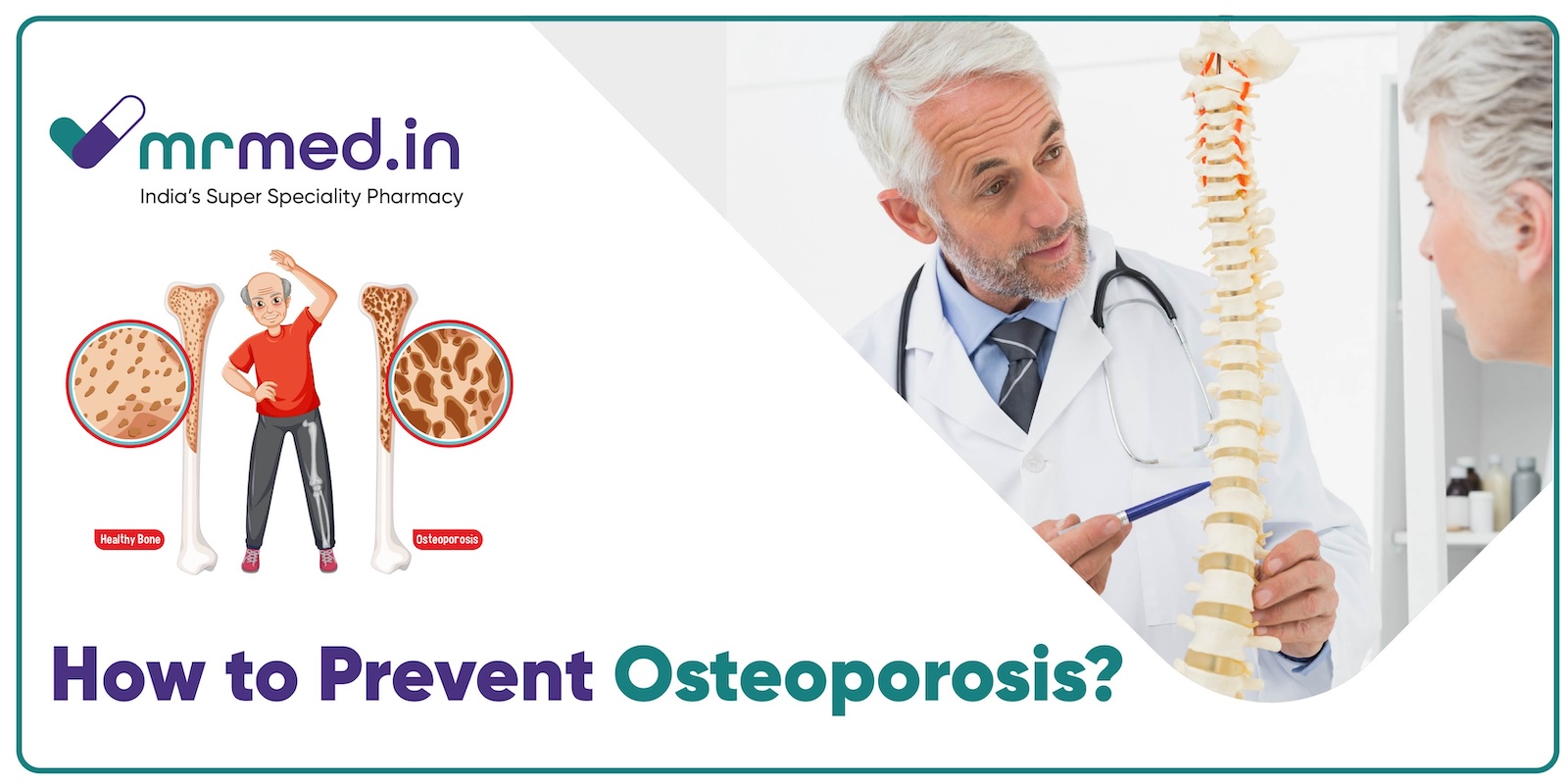
Osteoporosis is a silent disease that weakens bones, increasing the risk of fractures. Often, it progresses without noticeable symptoms until a fracture occurs. Taking proactive measures to maintain bone density is essential for long-term bone health. Through a combination of lifestyle changes, dietary adjustments, and targeted health supplements, you can significantly reduce your risk of developing osteoporosis.
What are the best exercises for bone density?
Bone density thrives on weight-bearing and resistance exercises that force your bones to work harder, promoting their strength and density. Here are key exercises:
- Weightlifting: Exercises like squats, lunges, and deadlifts directly target your bones and muscles, especially in the hips, spine, and legs. Even lifting light weights or using resistance bands can be effective.
- Walking or jogging: Brisk walking or light jogging helps stimulate bone formation, particularly in weight-bearing areas like your hips and legs. Adding ankle weights for walks can further enhance the benefits.
- Yoga and Pilates: These exercises not only improve bone density but also enhance balance, which reduces the risk of falls and fractures. Poses like tree pose and warrior strengthen leg and core muscles, which are crucial for bone health.
- Jumping exercises: High-impact activities like jump rope or box jumps help increase bone mass, especially in younger individuals looking to build bone density early in life.
An active lifestyle focused on weight-bearing activities is essential for preventing osteoporosis, which becomes more prevalent with age.
What are the dietary changes to maintain bone density?
Your diet plays a critical role in maintaining strong bones and preventing osteoporosis. Consider the following dietary modifications:
- Increase calcium intake: Calcium is a building block for your bones. Dairy products like yoghurt, cheese, and milk are prime sources. For those who prefer plant-based options, leafy greens like kale, spinach, and fortified non-dairy milk are excellent alternatives.
- Vitamin D is essential: Without Vitamin D, your body cannot absorb calcium effectively. Sunshine remains the best source, but for those living in low-sunlight areas, foods like salmon, fortified cereals, and egg yolks can help.
- Magnesium and Vitamin K2: While calcium and Vitamin D are crucial, magnesium (found in nuts and seeds) and Vitamin K2 (found in fermented foods like sauerkraut) are just as important for ensuring that calcium is effectively utilised and not deposited in arteries.
- Limit caffeine and alcohol: Excessive alcohol can hinder calcium absorption, while caffeine can cause calcium to be excreted through urine. Moderation is key to protecting your bones.
Supplements, such as Supracal K2 Tablet and Shelcal K Tablet, can help balance out any deficiencies in calcium, magnesium, or Vitamin K2, especially if your diet falls short.
What are the symptoms of low bone density?
Osteoporosis often develops without obvious symptoms until a fracture occurs. However, early signs of low bone density can help catch the issue before it worsens:
- Back pain: Compressed vertebrae in your spine may cause chronic back pain.
- Loss of height: If you're noticing a decrease in height or a hunched posture, it could be a result of weakening spinal bones.
- Bone fractures: Fragile bones are prone to fractures even after minor falls or incidents.
- Brittle nails: Since nails contain similar materials to bones, weak nails could be an early sign of deteriorating bone health.
Consult a healthcare professional to diagnose low bone density early, especially if you are at risk of osteoporosis.
What lifestyle changes are essential for preventing osteoporosis?
Certain lifestyle adjustments can significantly lower your risk of developing osteoporosis and promote healthier bones:
- Stay active: A sedentary lifestyle is one of the main risk factors for weak bones. Engaging in daily physical activities, such as gardening or brisk walking, can stimulate bone formation.
- Quit smoking: Smoking has a negative impact on bone health. It interferes with the body’s ability to absorb calcium and reduces estrogen levels, both of which contribute to bone weakening.
- Moderate alcohol consumption: Limit alcohol intake as excessive drinking depletes your bones’ calcium reserves.
- Maintain a balanced diet: Ensure your meals include all necessary nutrients for bone health, including calcium, magnesium, and Vitamin D.
Taking health supplements can provide balanced nutritional support to prevent bone deterioration, especially in those with dietary deficiencies.
What are the risks of osteoporosis?
Osteoporosis is a progressive condition, and without preventive care, it can lead to severe health complications:
- Fractures: The most common and dangerous consequence of osteoporosis is bone fractures, particularly in the hips, spine, and wrists.
- Limited mobility: Repeated fractures, especially of the spine and hip, can result in chronic pain and restricted movement.
Fractures caused by osteoporosis often require surgery, which can have long recovery times and may lead to further complications, particularly in elderly patients. As the spine weakens, individuals with osteoporosis may notice a gradual reduction in their height.
Preventing osteoporosis requires a proactive approach—starting with lifestyle changes, a nutrient-rich diet, and the proper use of supplements.

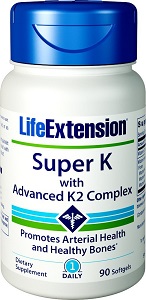
Shop A and D3 25,000/1,000 IU - 100 Softgels at Machoah vitamins and supplments online.
Get Quality products at affordable price.https://machoah.com/product/life-extension-super-k-with-advanced-k2-complex-90-softgels/