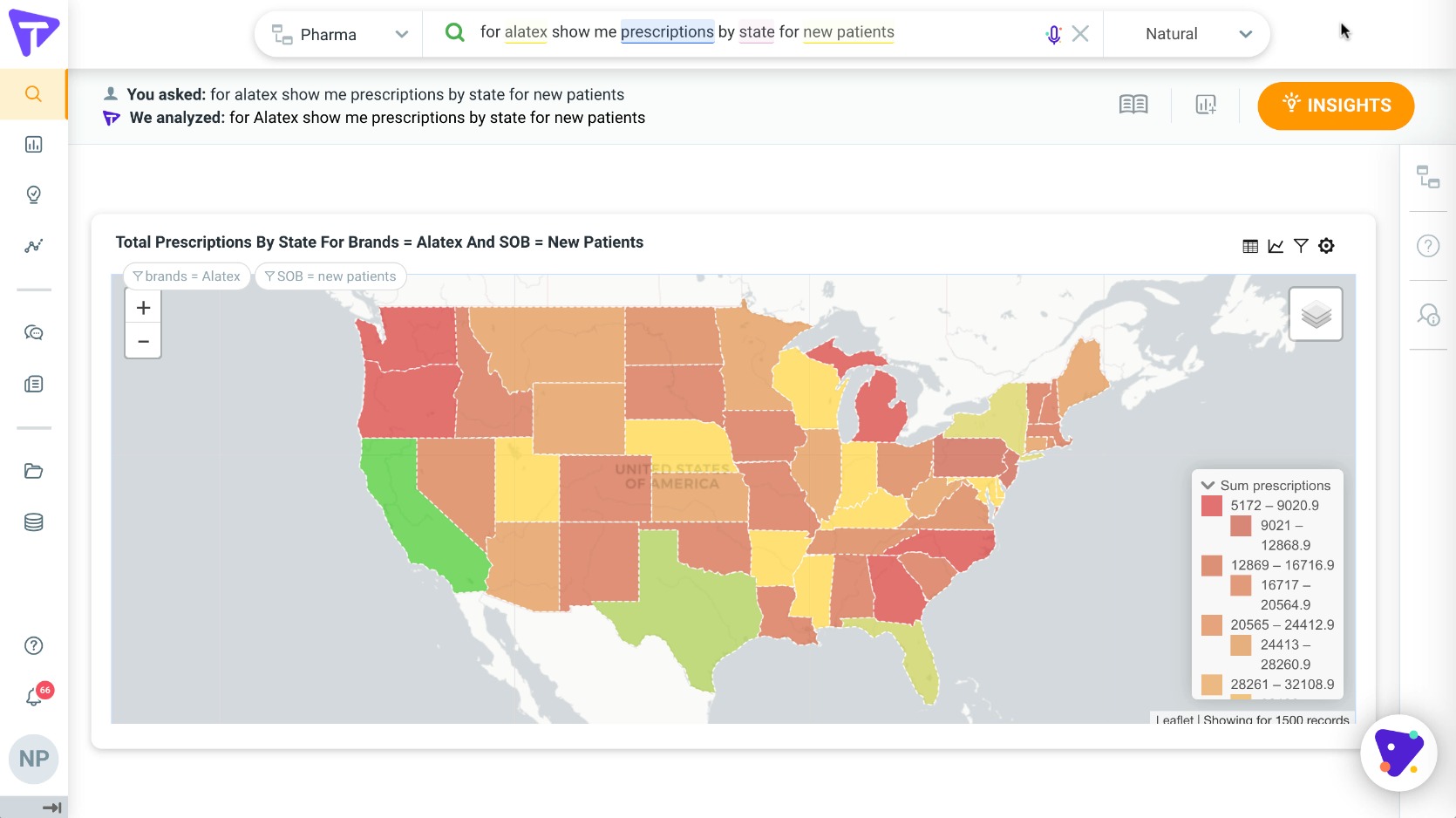


In the evolving landscape of data analytics, GenAI analytics is emerging as a game-changer for modern businesses. This advanced form of analytics harnesses the power of Generative AI to provide deeper insights, streamline operations, and drive innovation. By leveraging GenAI analytics, companies can unlock new opportunities and gain a competitive edge. Here are the top five use cases for GenAI analytics that are transforming how businesses operate and make decisions.
1. Enhancing Customer Personalization
One of the most impactful applications of GenAI analytics is in customer personalization. By analyzing vast amounts of customer data, including purchasing behavior, preferences, and interaction history, GenAI analytics can generate detailed customer profiles. These profiles enable businesses to tailor their marketing efforts, product recommendations, and customer interactions to meet individual needs more effectively.
For instance, e-commerce platforms use GenAI analytics to create personalized shopping experiences. By predicting what products a customer is likely to be interested in, businesses can deliver targeted promotions and recommendations, increasing engagement and sales. This level of personalization not only enhances customer satisfaction but also fosters brand loyalty.

2. Optimizing Supply Chain Management
Supply chain management is a complex domain where efficiency is crucial. GenAI analytics can significantly improve supply chain operations by predicting demand, optimizing inventory levels, and identifying potential disruptions. By analyzing historical data and current trends, GenAI tools can forecast future demand with high accuracy, allowing businesses to adjust their supply chain strategies proactively.
For example, a retailer can use GenAI analytics to predict which products will be in high demand during specific seasons, helping them manage inventory levels and reduce stockouts. This proactive approach minimizes waste, improves inventory turnover, and ensures that products are available when customers need them.
3. Driving Product Innovation
Innovation is key to staying ahead in the competitive business landscape, and GenAI analytics plays a pivotal role in this process. By analyzing market trends, customer feedback, and emerging technologies, GenAI can identify new product opportunities and areas for improvement.
Companies can use GenAI analytics to simulate different product scenarios and assess their potential success. This allows businesses to make data-driven decisions about which product features to develop or which markets to enter. For instance, a tech company might use GenAI analytics to evaluate the feasibility of integrating new features into their software based on user preferences and market demands.
4. Enhancing Financial Forecasting and Risk Management
Financial forecasting and risk management are critical areas where GenAI analytics can provide substantial benefits. By analyzing historical financial data, market conditions, and economic indicators, GenAI tools can generate accurate forecasts and identify potential risks.
For example, financial institutions use GenAI analytics to predict market trends, assess investment opportunities, and manage portfolio risk. By leveraging predictive models and simulations, businesses can make informed financial decisions, optimize investment strategies, and mitigate potential risks. This enhances financial stability and supports long-term growth.
5. Improving Operational Efficiency
Operational efficiency is a key driver of business success, and GenAI analytics can help streamline operations across various functions. By analyzing operational data, such as production schedules, employee performance, and supply chain logistics, GenAI can identify inefficiencies and suggest improvements.
For instance, manufacturing companies use GenAI analytics to optimize production processes by predicting equipment maintenance needs and minimizing downtime. By analyzing real-time data from machinery and production lines, businesses can enhance operational efficiency, reduce costs, and improve overall productivity.
GenAI analytics is revolutionizing modern businesses by offering advanced capabilities for personalization, supply chain optimization, product innovation, financial forecasting, and operational efficiency. By harnessing the power of Generative AI, companies can gain deeper insights, make data-driven decisions, and drive growth. As the technology continues to evolve, businesses that adopt GenAI analytics will be well-positioned to stay ahead of the competition and achieve their strategic objectives.