





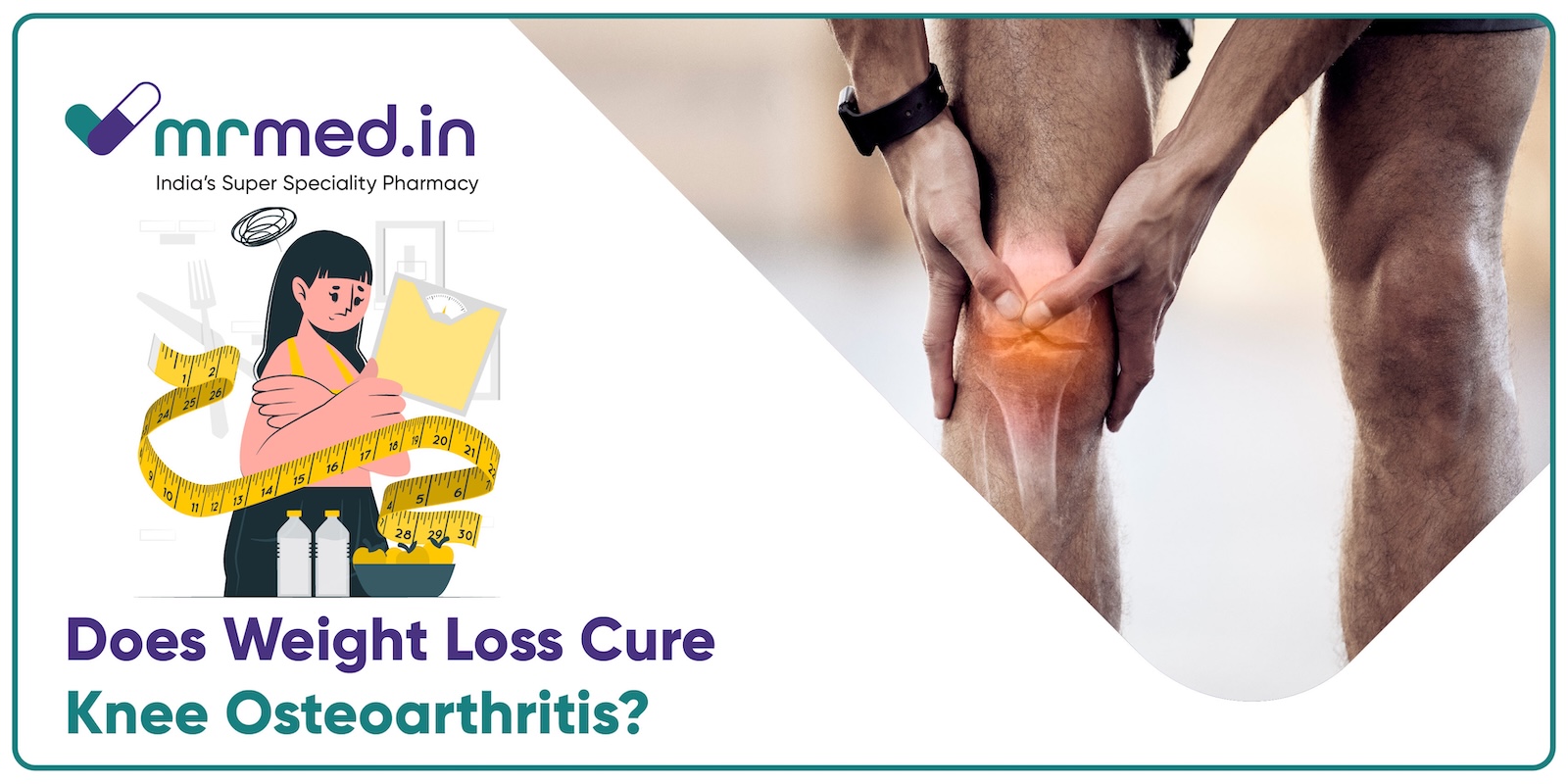
Knee osteoarthritis (OA) is a most common condition that affects millions of people worldwide. Characterised by the degradation of cartilage, knee OA can lead to pain, stiffness, and decreased mobility, severely impacting one’s quality of life. As individuals seek relief from the discomfort and limitations associated with this condition, a growing body of research suggests that weight loss is one of the most effective strategies for managing symptoms and enhancing joint health.
This blog gives an overview of the vital connection between weight management and knee osteoarthritis, exploring how losing weight naturally can lead to significant improvements in overall joint function and pain reduction.
What causes osteoarthritis in the knee?
Knee osteoarthritis occurs when the cartilage—the cushioning material between the bones—begins to break down. As this cartilage deteriorates, bones can rub against one another, resulting in inflammation, pain, and decreased mobility. Several risk factors contribute to the development of knee OA, including age, genetics, and previous injuries. A significant factor is obesity; excess weight places long-term stress on the joints, which can exacerbate the wear and tear of cartilage, accelerating the progression of the condition.
Will losing weight help my knee health?
Carrying extra pounds directly affects the knees, as they bear the brunt of body weight during daily activities like walking, climbing stairs, and even standing. Research shows that for every pound of weight lost, approximately four pounds of pressure is reduced off the knees. This is particularly significant for those with knee OA, as alleviating this pressure can lead to considerable relief from pain and improved joint function.
Benefits of weight loss in knee osteoarthritis
- Reduced Joint Stress: As mentioned, weight loss reduces the mechanical stress on knee joints. This can help slow the progression of osteoarthritis and relieve pain, making it easier for individuals to engage in physical activity—which is crucial for maintaining joint health.
- Decreased Inflammation: Obesity is often linked to increased levels of systemic inflammation. Fat tissue produces inflammatory cytokines, which can exacerbate joint issues. Losing weight can lower these inflammatory markers, leading to improved joint function and reduced pain.
- Enhanced Mobility: With less weight, individuals often experience a newfound ease in movement. Enhanced mobility allows for increased physical activity, which is vital for maintaining muscle strength around the joints. Stronger muscles provide better support, helping to stabilise the knee and further reducing discomfort.
- Improved Quality of Life: Weight loss can significantly improve overall well-being. Many people report reduced pain, increased energy levels, and a greater ability to participate in social and physical activities.
6 natural strategies for weight loss
Losing weight naturally requires a holistic approach that combines healthy eating and regular physical activity. Here are some effective strategies:
1. Balanced diet
A balanced diet enriched in fruits, veggies, whole grains, and lean proteins can help facilitate weight loss. It’s important to focus on nutrient-dense foods that provide essential vitamins and minerals without extra calories. Foods high in omega-3 fatty acids, like fish, walnuts, and flaxseeds, may also help reduce inflammation.
2. Portion control
Understanding portion sizes can significantly impact calorie intake. Using smaller plates, measuring food, and being mindful of serving sizes can help individuals avoid overeating.
3. Regular physical activity
Engaging in routine exercise is crucial for weight management and joint health. Low-impact activities, like swimming, cycling, and walking, are particularly beneficial for individuals with knee OA, as they minimise stress on the joints while promoting cardiovascular health and weight loss.
4. Strength training
Combining strength training into a fitness routine can build muscle mass, which improves metabolic rate and aids in weight loss. Stronger muscles also provide better support for the knee joint, potentially easing discomfort.
5. Stay hydrated
Drinking a good amount of water can help control hunger and support metabolic processes. Staying hydrated is important for general health and can help maintain joint lubrication.
6. Mindful eating
Practising mindful eating can enhance the weight loss process. This involves paying attention to hunger cues, savouring meals, and avoiding distractions during eating, which can lead to better portion control and a healthier relationship with food.
What is the best exercise for osteoarthritis of the knee?
When managing osteoarthritis of the knee, the following exercises are particularly beneficial:
- Walking: Low-impact and easy to incorporate into daily routines; promotes joint mobility and cardiovascular health.
- Swimming: Provides resistance without stressing the joints; ideal for improving strength and flexibility.
- Cycling: A low-impact way to strengthen leg muscles and improve joint function without excessive strain.
- Strength training: Focuses on low-weight, high-repetition exercises to build muscle support around the knee.
- Stretching: Enhances flexibility and range of motion; important for maintaining mobility in affected joints.
- Tai chi: Promotes balance, coordination, and gentle movement, which can alleviate pain and stiffness.
- Yoga: Improves flexibility and strength while reducing stress, which can positively impact pain levels.
Incorporating these activities into a routine can help manage symptoms and improve overall joint health. Always consult a doctor before starting any new physical activity.
Final thoughts
Weight loss is essential for effective management of knee osteoarthritis. It alleviates joint stress, reduces inflammation, and improves mobility, significantly enhancing quality of life.
Natural strategies like balanced nutrition and regular exercise can yield sustainable results. At the same time, treatments such as Synvisc ONE Injection, which contains the active ingredient Hylan Polymer A&b G-f 20, offer additional support. Taking control of weight goes beyond aesthetics; it’s about fostering a healthier, more active life. For those with knee OA, committing to natural weight loss can be the key to relief.




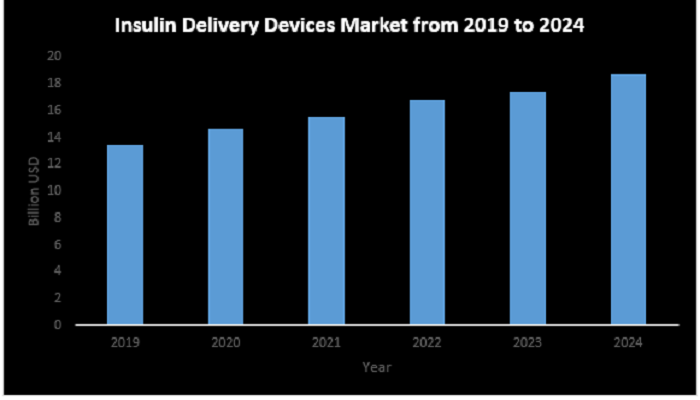
Insulin Delivery Devices Market was valued US$ 13.45 Bn in 2019 and expected to reach US$ 18.76 Bn by 2024, at a Compound Annual Growth Rate (CAGR) of 6.2% during the forecast period 2016-2024.
On the basis of product type, the market is divided into Pumps (Tubed Pumps, Tubeless Pumps), Pens (Reusable, Disposable), Pen Needles (Standard, Safety), Syringes.
Based on distribution channel, a market is classified into Hospital Pharmacy, Retail Pharmacy, Online Sales, Diabetes Clinics/ Centers.
Owing to inappropriate eating habits and lack of physical work; diabetes incidences are rising at alarming rates in developing countries too.
More and more minimally invasive devices are gaining demand around the globe, especially in developed nations.
Minimally invasive nature of pumps will increasingly attract more consumers over the coming years, especially in an industrialized nation; however, their cost will prove to be a major restraining factor for the business growth.