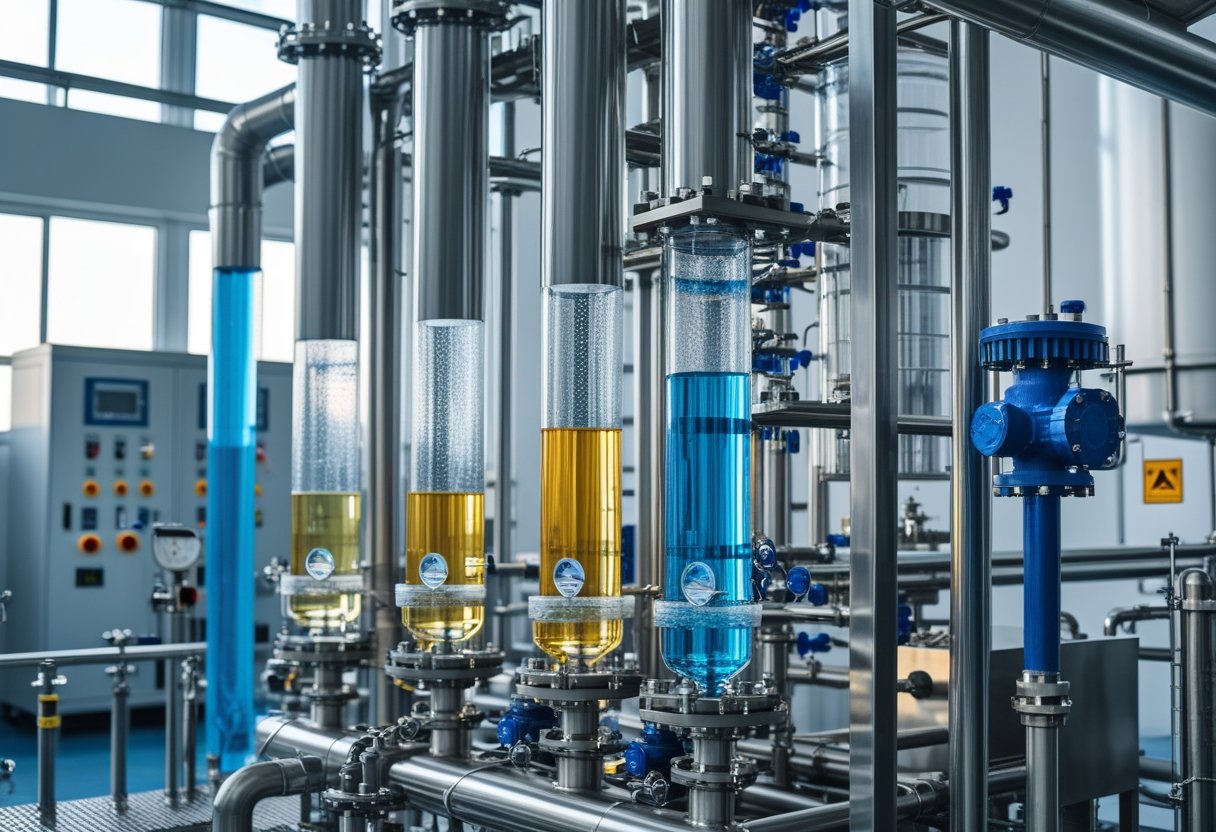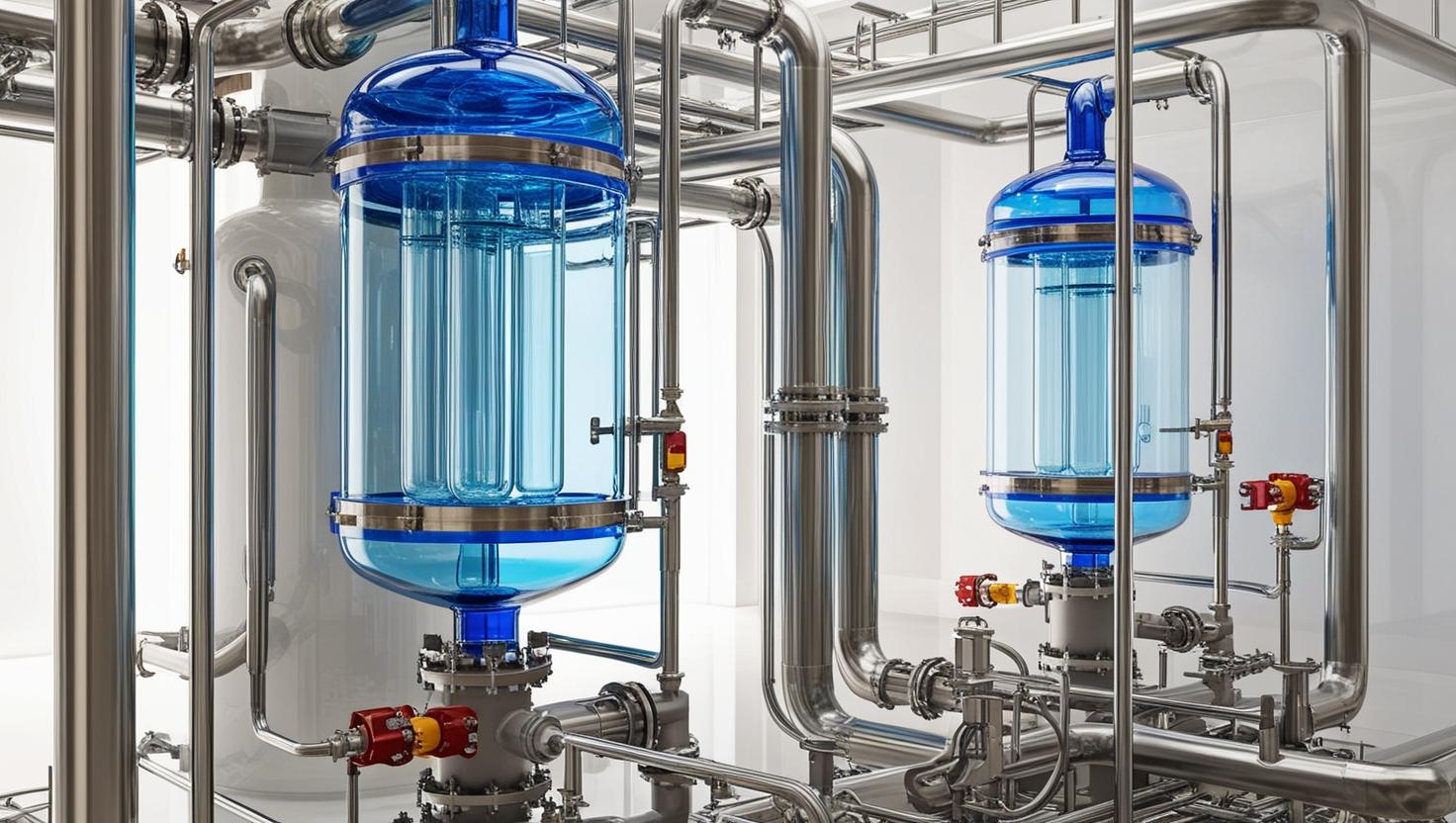


The continuous flow stirred tank reactor (CSTR) has emerged as one of the most efficient and flexible technologies in modern chemical engineering. As industries globally strive towards sustainability, CSTRs are playing an increasingly crucial role in advancing chemical process plants and enabling greener production processes. By integrating CSTR systems into a wide range of industries, companies are finding innovative ways to meet rising demands while reducing environmental impact.
The Role of CSTRs in Chemical Processing
A continuous flow stirred tank reactor is a type of reactor used extensively in industrial chemical processes. Its design allows for continuous input of reactants and output of products while maintaining constant mixing, ensuring homogeneity within the reactor. This type of reactor is popular due to its simplicity and adaptability to a variety of processes, making it ideal for large-scale operations in a chemical process plant.
Traditionally, chemical industries relied heavily on batch processing, which involved discrete production cycles and substantial downtime between runs. CSTRs, in contrast, enable continuous flow operations, which are far more efficient and sustainable. The application of CSTR technology to these processes reduces energy consumption and waste generation by streamlining the reaction dynamics and minimizing interruptions. This continuous production model offers significant advantages, particularly in sectors such as pharmaceuticals, petrochemicals, and food processing.
How CSTRs Improve Sustainability in Chemical Process Plants
Sustainability is becoming a defining feature of the modern industrial landscape. Many governments and regulatory bodies are implementing stricter guidelines for energy efficiency, emissions control, and waste reduction. In this context, CSTRs provide a crucial technological advantage in achieving sustainability goals for chemical process plants.
- Energy Efficiency: One of the greatest benefits of the continuous flow stirred tank reactor is its energy efficiency. Traditional batch processes often require repeated heating and cooling cycles, which consume large amounts of energy. CSTRs, on the other hand, maintain a continuous operation, reducing the need for start-stop cycles that waste energy. Additionally, the high level of control over temperature and reaction rates ensures that the system operates at peak efficiency, reducing fuel or power consumption.
- Reduction of Waste: In any chemical process plant, waste generation is a critical concern. Waste often results from incomplete reactions, impurities, or inefficient separation techniques. The application of CSTR technology helps mitigate these issues by maintaining consistent reactant concentrations and temperatures, ensuring higher conversion rates and reduced by-product formation. Continuous operation also facilitates better control over the input-output ratio, minimizing material loss and waste disposal costs.
- Lower Emissions: Reducing the carbon footprint of chemical production is another major focus of sustainability efforts. CSTRs can be integrated with emission-control technologies to limit the release of greenhouse gases or harmful substances. For instance, the continuous flow nature of the reactor makes it easier to implement real-time monitoring and adjustment mechanisms to ensure that emissions stay within regulatory limits. As governments push for cleaner production methods, CSTR technology offers a pathway for the chemical industry to meet these expectations.
CSTR Design and Its Importance in Chemical Process Plants
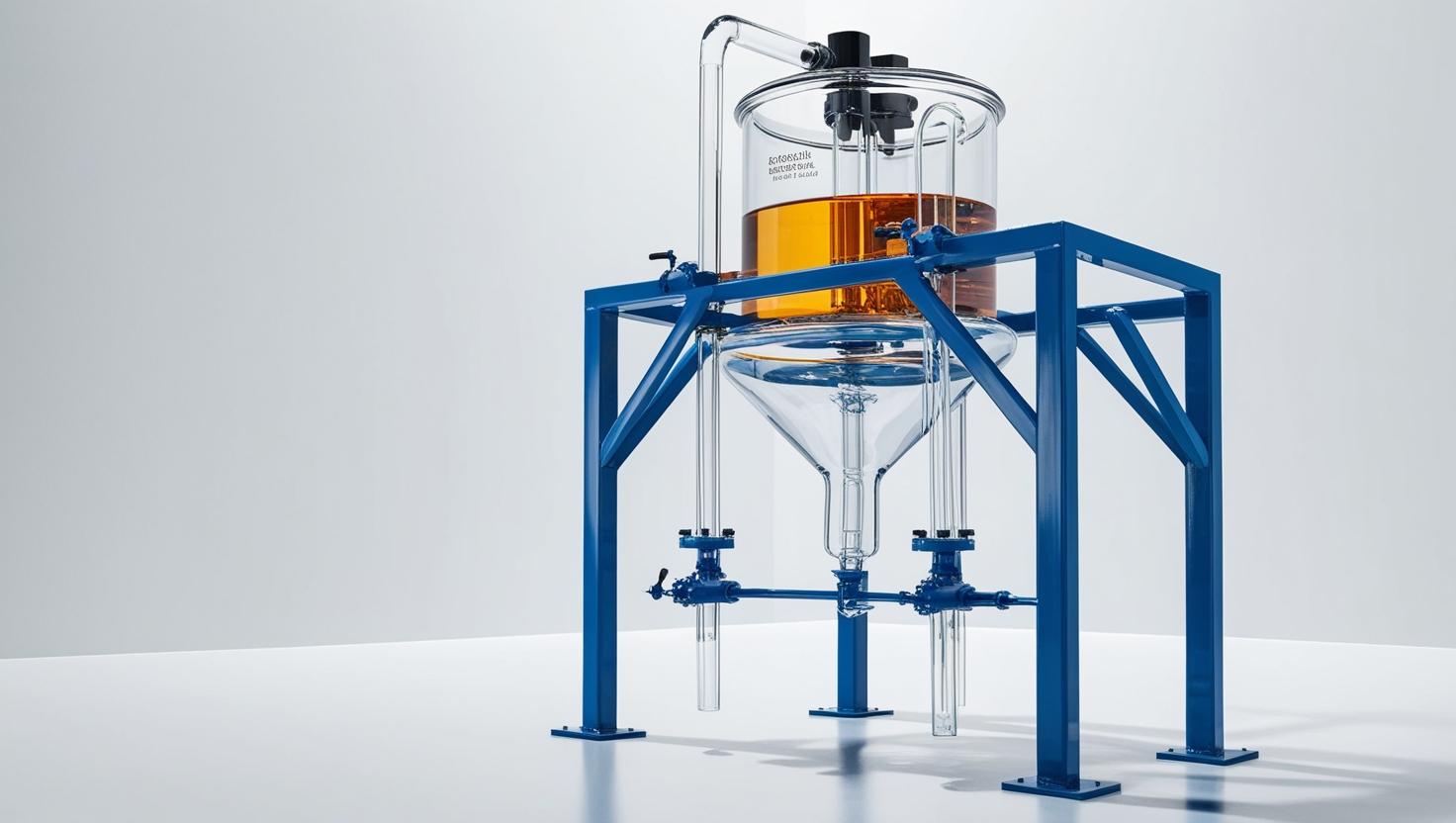
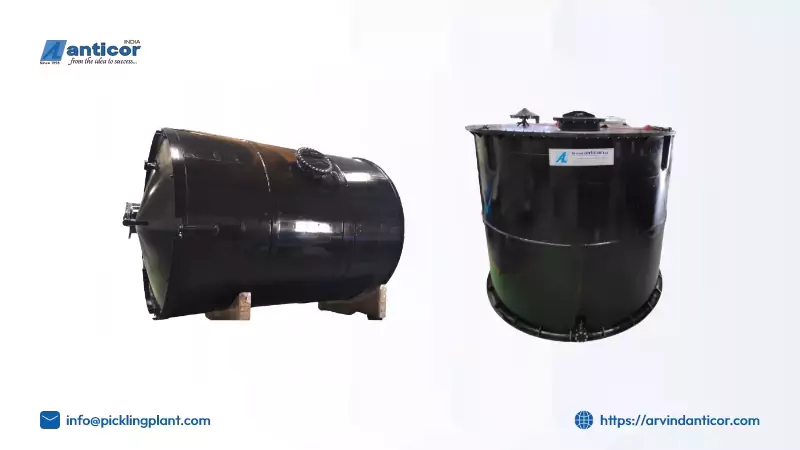
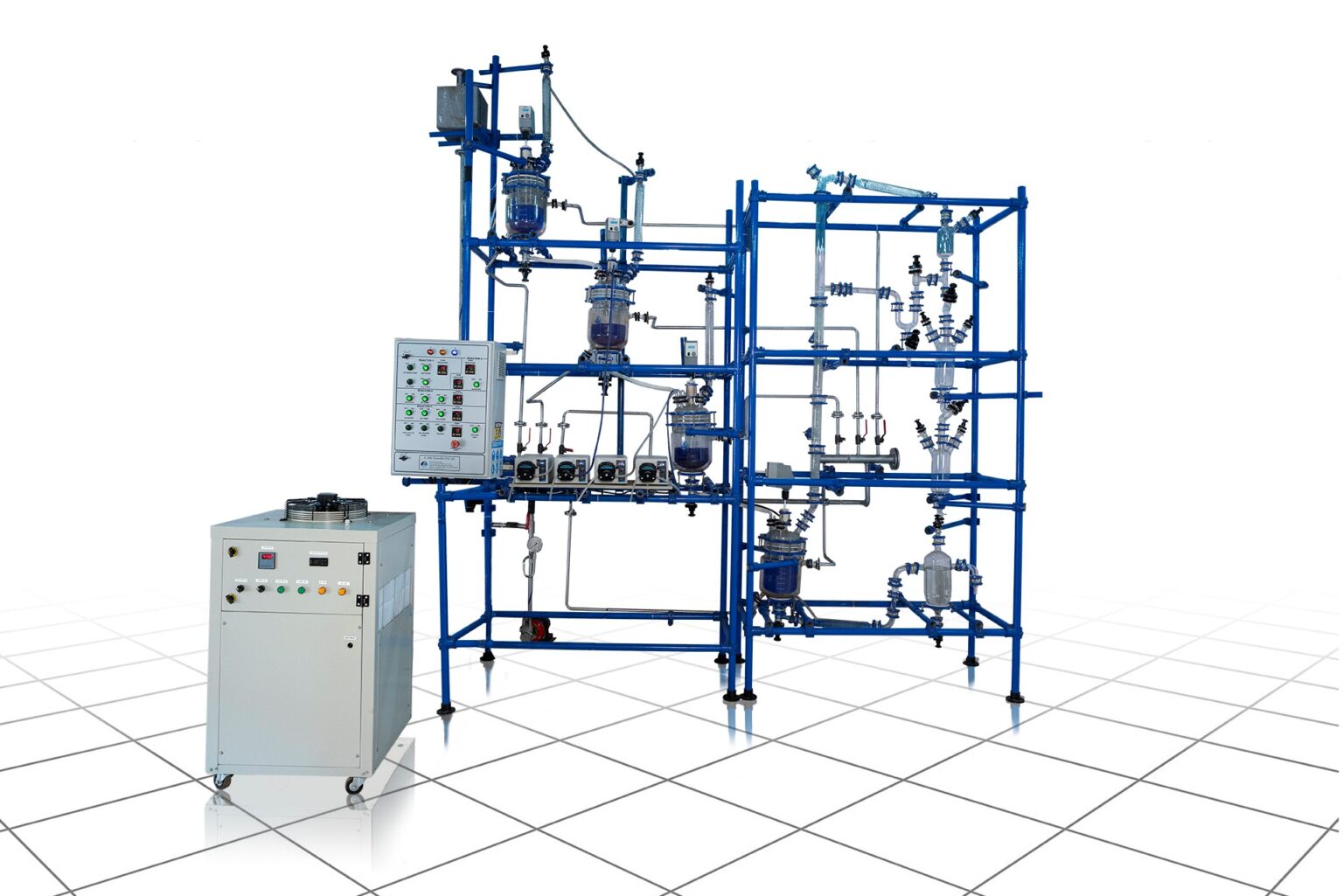
The design of a continuous flow stirred tank reactor is fundamental to its functionality. A typical CSTR consists of a reactor vessel equipped with an agitator, designed to keep the reactants uniformly mixed. The reactor operates at steady-state, meaning that the composition of the output stream is the same as the composition of the material inside the reactor. This ensures consistency and reliability in the production process.
The simplicity of the CSTR design makes it highly adaptable to various reaction types, including homogenous and heterogeneous reactions, catalysis, and polymerization. In a chemical process plant, multiple CSTRs can be connected in series or parallel to optimize reaction conditions for specific products. This scalability and flexibility make CSTRs particularly attractive for industries that require large-scale, continuous production.
Advantages of CSTRs Over Other Reactor Types
While CSTRs are not the only type of reactor available, they offer several distinct advantages over other reactor designs, particularly in terms of sustainability and operational efficiency.
- Enhanced Mixing: The constant agitation in a CSTR ensures that the reactants are uniformly distributed throughout the reactor. This is especially important in reactions where mixing directly influences the reaction rate and product quality. Compared to other reactors like plug flow reactors (PFRs), the CSTR offers superior mixing capabilities, making it ideal for processes where complete homogenization is essential.
- Easier Temperature Control: Temperature plays a critical role in many chemical reactions, and maintaining a consistent temperature is often key to optimizing yields. CSTRs provide excellent control over temperature since the reactor contents are constantly stirred, ensuring uniform heat distribution. This prevents hotspots or temperature gradients, which can lead to suboptimal reaction conditions or the formation of undesired by-products.
- Continuous Production: As the name suggests, continuous flow operation is the hallmark of a CSTR. This contrasts with batch reactors, where production must be halted between cycles for cleaning or recharging. CSTRs allow for uninterrupted production, leading to higher throughput and lower operational downtime. In industries that operate on a 24/7 basis, such as petrochemical and pharmaceutical plants, this is a key advantage.
- Scalability: Another critical feature of the continuous flow stirred tank reactor is its scalability. By linking multiple CSTRs in series, it is possible to increase production capacity or optimize for multi-step reactions that require different conditions at each stage. This ability to scale operations without significant redesigns or downtime is an important asset in dynamic industries.
Applications of CSTRs in Various Industries
The application of CSTR technology is widespread across several industries, where it contributes to sustainable practices and improved production efficiencies.
- Pharmaceutical Industry: In pharmaceutical production, precision and consistency are paramount. CSTRs are used to produce active pharmaceutical ingredients (APIs), particularly in reactions where exact control over reactant concentration and temperature is required. The continuous flow nature of CSTRs also allows for rapid scale-up of production, enabling pharmaceutical companies to meet demand quickly while maintaining high-quality standards.
- Petrochemical Industry: The petrochemical sector is one of the largest users of chemical process plants, and CSTRs play a pivotal role in the production of fuels, plastics, and other petroleum-derived products. The continuous operation of CSTRs is particularly valuable in this sector, where high throughput is necessary to meet global energy and material demands. Additionally, the sustainability benefits of CSTRs, such as energy efficiency and waste reduction, align with the industry's ongoing efforts to reduce its environmental impact.
- Food Processing: In the food industry, CSTRs are employed in the production of various ingredients and additives, such as sweeteners, acids, and enzymes. The ability to maintain continuous production ensures that food manufacturers can meet the demand for large volumes of consistent-quality products. Moreover, the continuous flow operation helps reduce energy consumption and waste, which is increasingly important in an industry under pressure to adopt more sustainable practices.
- Polymer Production: The polymer industry also benefits from the application of CSTR systems. These reactors are ideal for producing polymers because they allow for precise control over the molecular weight distribution, ensuring that the final product meets specific performance characteristics. The continuous production model of CSTRs helps polymer manufacturers optimize their operations and reduce production costs, all while minimizing environmental impact.
The Future of CSTRs in Sustainable Chemical Processing
As the world moves toward more sustainable industrial practices, continuous flow stirred tank reactors are set to play an increasingly important role. The ability of CSTRs to facilitate continuous flow production, reduce waste, and improve energy efficiency makes them an essential component of the future chemical process plant. Additionally, advances in CSTR technology, such as the integration of smart sensors and automation, will further enhance their operational efficiency and sustainability potential.