

Cerebral palsy is a type of non-progressive brain disorder that can have a significant impact on the life of the patient. It influences the children's eyesight, mobility, learning, and reasoning. Now, this medical condition can develop before or during birth and during the first three year of the child's life. Given the situation's complexity, starting the treatment on time is essential. It's better to consult an excellent medical professional to help your child get started with proper care. Based on the child’s cerebral palsy symptoms, the doctor will be able to come up with a customized treatment plan to help him manage the condition better and lead a proper life.
Different approaches used in cerebral palsy
When we talk about cerebral palsy, one thing the parents need to be clear, that cerebral palsy takes long time of hard work to lead a normal life. Luckily, the treatment options are available to help. You will find that doctors will use multiple ways to identify and assess the severity of cerebral palsy in a child, and then, based on the symptoms, they can offer the proper support.
Exercise here is quite an essential approach for children suffering from spastic diplegic cerebral palsy. It is often characterized by systematic, organized, and repetitive practice that tries to enhance the child's fitness.
Further, neurodevelopmental therapy is the most frequently applied treatment technique. The goal is to target the central neurological issues. It helps by increasing functional independence and motor efficacy. Here, the entity principle is task-oriented training, which has shown excellent performance enhancement by encouraging purposeful, intensive, and goal-oriented practice.
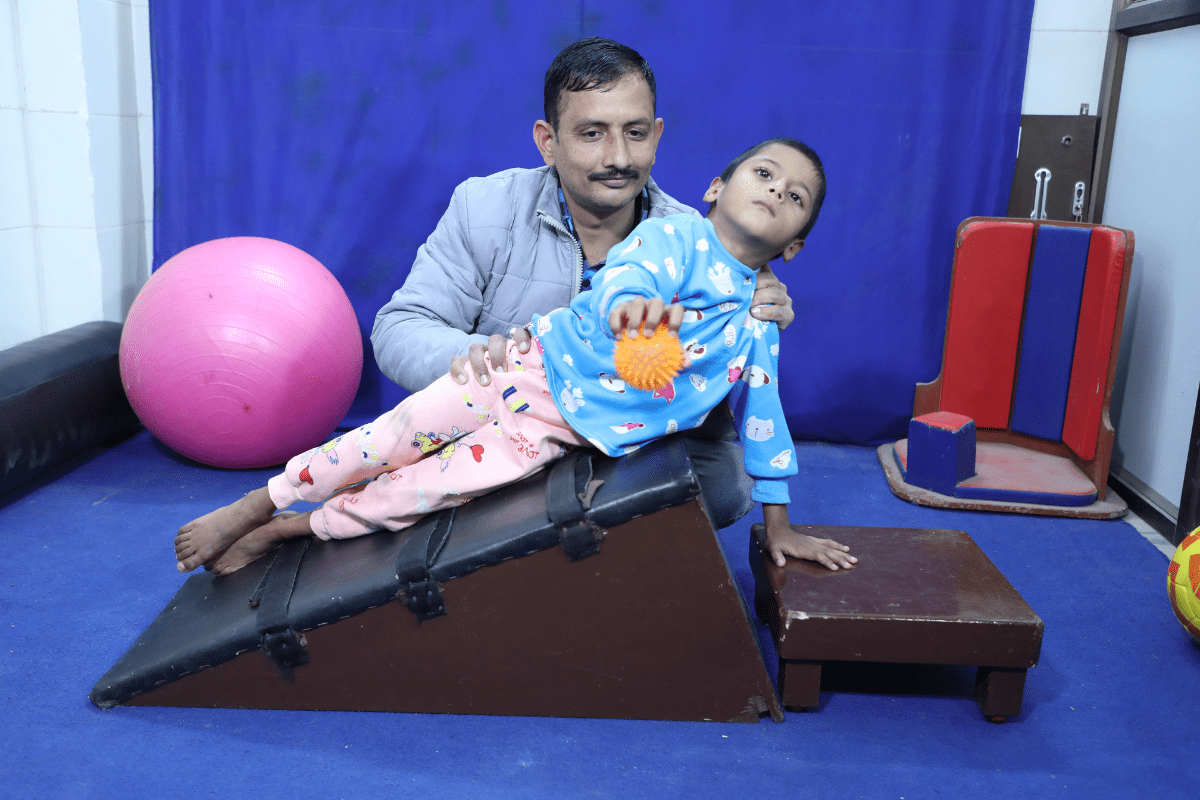
Children with CP also benefit from dynamic surface exercise therapy, which helps them work on their gross motor activities and trunk coordination. When the child work on a dynamic interface, they get better proprioceptive and sensory output associated with the position of respective body segments in space.
Some studies have even shown the results of rehabilitation robots in restoring gait function in children with CP. Robot-assisted gait training has shown great results in enhancing gait stamina, velocity, and gross motor control in children with CP. The treatment options are undoubtedly quite many, but it all depends on the child's cerebral palsy symptoms. Based on the severity of the condition and associated medical issues, the doctor will provide the right treatment.
Lastly, when talking about therapeutic context, a variety of devices can be used in addition to conventional therapy to help children strengthen their working abilities. For instance, trade mills, repetitive weight loading, etc., can work great.
Conclusion
The life of a child with cerebral palsy is not at all easy. If you have someone facing this challenge at home, you better contact the Trishla Foundation. They have board-certified medical professionals who can help your child manage the condition better and learn how to lead a regular life. No matter the complexity, they can provide the best treatment possible.