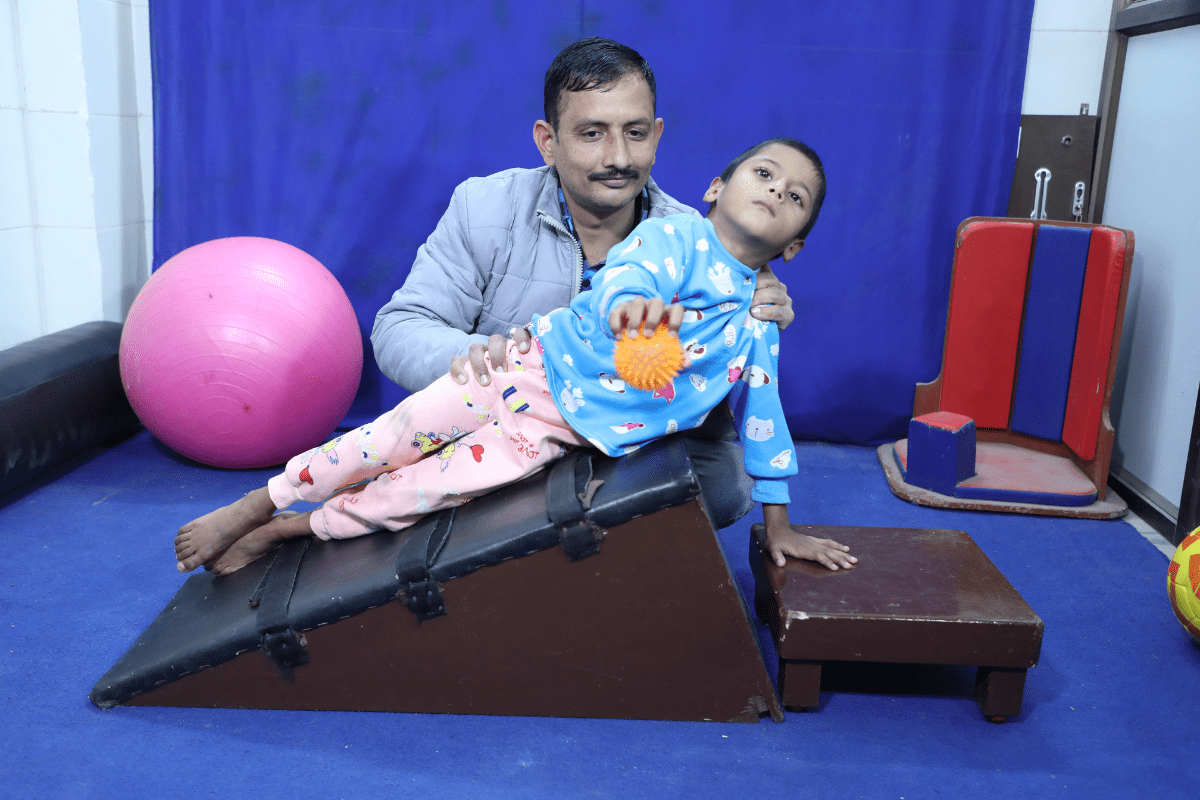


Spastic Diplegia Cerebral Palsy is a form of cerebral palsy that primarily affects the muscles of the legs. Children with this condition commonly experience stiffness, reduced muscle control, and difficulty maintaining balance while walking.
These motor challenges often lead to distinctive gait patterns—most commonly toe-walking and scissor gait. Understanding why these gait problems occur and how they impact mobility is crucial for early intervention and long-term functional improvement.
Why Gait Problems Occur in Spastic Diplegia
The main cause of abnormal gait in spastic diplegia is spasticity, a condition where muscles remain overly tight. This leads to:
● Tight calf and hip muscles
● Limited joint range of movement
● Weak thigh, hip and core muscles
● Difficulty coordinating leg movements
● Poor posture and balance
Because of these issues, children develop compensatory walking patterns that help them move but can cause long-term problems.
Toe-Walking: Why Children with Spastic Diplegia Walk on Their Toes
Toe-walking occurs when a child walks on the balls of their feet instead of placing their heels down.
1. Tight Calf Muscles
The most common reason is spasticity in the calf muscles. Continuous contraction lifts the heel, preventing normal foot placement.
2. Shortened Achilles Tendon
Prolonged toe-walking shortens the Achilles tendon, making heel contact increasingly difficult.
3. Limited Ankle Movement
Contractures or restricted dorsiflexion force the foot into a downward-pointed position, encouraging toe-walking.
4. Balance Compensation
Children with weak core muscles may lean forward for stability, and toe-walking helps them take faster, more stable steps.
Consequences: If untreated, toe-walking can lead to foot deformities, knee strain, balance issues, and long-term walking difficulties.
Scissor Gait: Why Children Walk with Legs Crossing
A scissor gait happens when the knees and thighs cross while walking.
1. Tight Hip Adductor Muscles
Spasticity in the inner thigh muscles pulls the legs inward, causing crossing.
2. Weak Hip Abductors
Weak muscles that move legs outward allow the strong adductors to dominate.
3. Exaggerated Reflexes
Reflex overactivity can trigger involuntary inward pulling of the legs.
4. Balance Issues
Some children adopt a scissor gait to stay upright.
Consequences: Scissor gait can cause frequent falls, hip pain, difficulty placing feet flat, and reduced walking endurance.
Management of Gait Problems in Spastic Diplegia
Effective management requires early intervention and a multidisciplinary approach.
1. Physiotherapy
Stretching tight muscles, strengthening weak muscles, and gait training improve overall mobility.
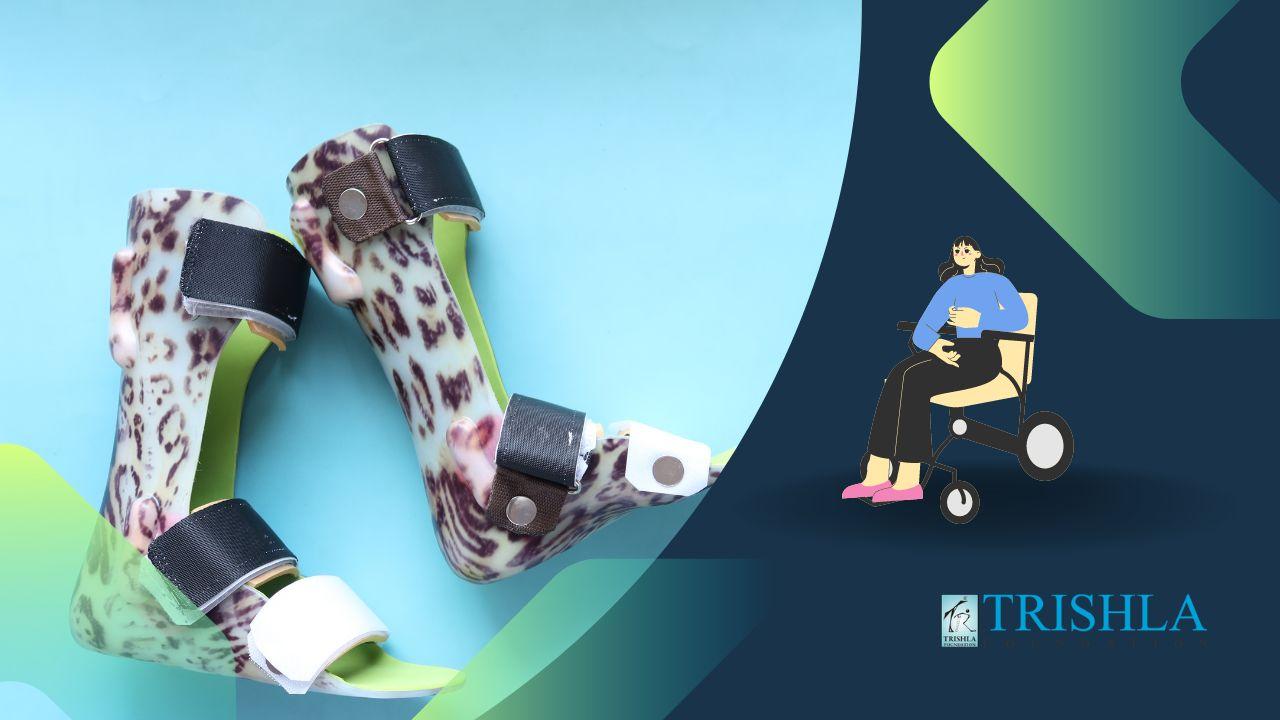
2. Orthotics (AFOs)
Braces help support foot alignment, reduce spasticity, and encourage proper heel strike.
3. Botox Injections
Botulinum toxin temporarily relaxes overactive muscles, making therapy more effective.
4. Serial Casting
Useful in correcting tight calf muscles and improving ankle mobility.
5. Surgical Options
Procedures like tendon lengthening or Selective Dorsal Rhizotomy (SDR) may be recommended for severe cases.
Conclusion
Toe-walking and scissor gait are hallmark gait problems in children with Spastic Diplegia Cerebral Palsy. These patterns develop due to muscle spasticity, joint stiffness, imbalance between muscle groups, and compensatory walking mechanisms.
With early diagnosis and a multidisciplinary treatment approach, children can achieve improved mobility, better balance, and a more functional walking pattern. Effective management not only enhances physical ability but also boosts independence and overall quality of life.