

Cerebral palsy affects muscle tone, movement, and coordination, making everyday activities more challenging for children. One of the most effective ways to support development and independence is through cerebral palsy physical exercise. Tailored physical therapy not only improves strength and flexibility but also enhances confidence and quality of life.
Goals of Physical Therapy for Children with Cerebral Palsy
Before diving into specific tips, it’s important to understand the broader goals of physical therapy for children with cerebral palsy. Therapy aims to:
● Improve mobility, balance, and coordination.
● Reduce muscle stiffness and prevent joint contractures.
● Strengthen weak muscles to support daily activities.
● Encourage independence and participation in social and school activities.
● Enhance overall quality of life through better functional movement.
Every child is unique, so physical therapy should be personalized to align with these goals while making exercises engaging and achievable.
1. Focus on Consistency over Intensity
When it comes to cerebral palsy physical exercise, regular practice is more beneficial than occasional high-intensity sessions. Consistency helps children build muscle memory, reduce stiffness, and improve overall mobility.
Short, daily routines such as stretching, balance activities, or light resistance exercises can create long-term benefits. Caregivers should integrate therapy into everyday play so it feels natural and less like a task.
2. Encourage Stretching for Flexibility
Muscle tightness and contractures are common in children with cerebral palsy. Gentle stretching exercises help maintain joint flexibility and prevent discomfort. Therapists often recommend daily stretches for the legs, arms, and back to reduce spasticity and improve range of motion.
Parents can make stretching fun by incorporating games, songs, or storytelling during the exercise, ensuring children stay motivated and engaged.
3. Build Strength with Functional Movements
Strengthening weak muscle groups is critical for better posture, walking, and daily activities. Functional exercises such as sit-to-stand practice, supported squats, or climbing steps can help.
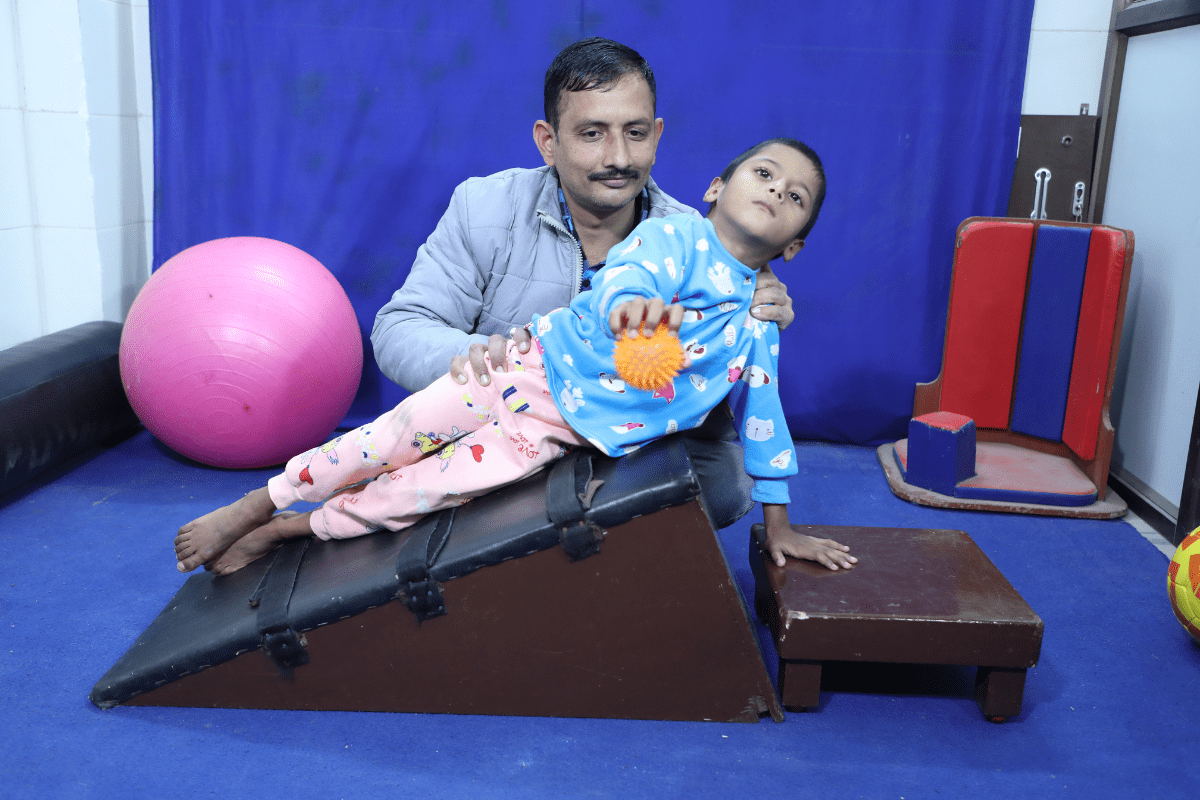
These activities mimic everyday movements, making them more meaningful and practical. Using light resistance bands or therapy balls can also improve muscle strength safely. Always ensure that the exercises are supervised to prevent strain or injury.
4. Improve Balance Through Play
Balance is often a challenge for children with cerebral palsy. Simple activities like standing on one leg with support, walking along a taped line on the floor, or playing catch while standing help improve stability.
Swimming, cycling on adaptive tricycles, or practicing yoga poses are excellent ways to enhance balance while making therapy enjoyable. By framing these activities as games, children are more likely to participate eagerly in cerebral palsy physical exercise routines.
5. Incorporate Assistive Devices When Needed
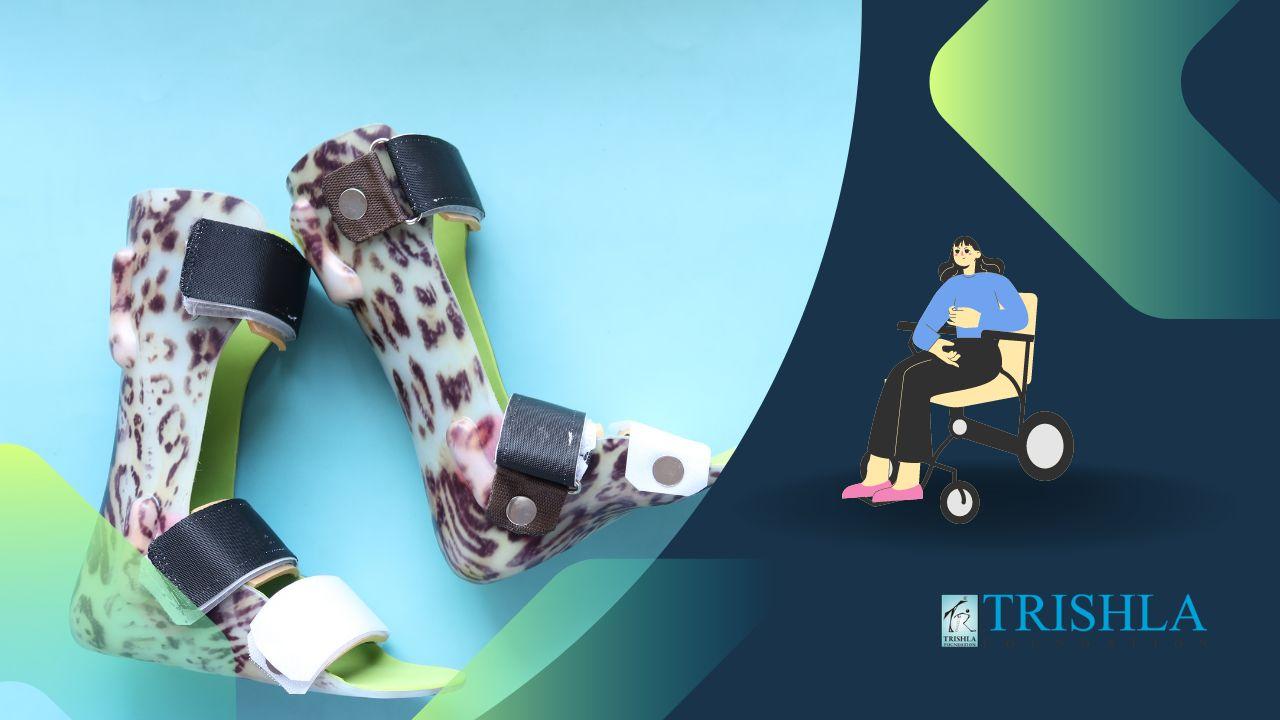
Some children benefit from assistive devices such as walkers, braces, or standing frames. These tools not only provide support but also encourage independence and safe mobility.
For example, gait trainers can help children practice walking while reducing the risk of falls. Physical therapists can recommend the most suitable devices and demonstrate how to integrate them into daily exercises effectively.
Conclusion
Physical therapy plays a vital role in promoting independence and improving daily function for children with cerebral palsy. By understanding the goals of physical therapy for children with cerebral palsy and following practical tips like consistency, stretching, strengthening, balance training, and using assistive devices, caregivers can help children thrive.
Remember, cerebral palsy physical exercise should always be tailored to each child’s abilities, keeping sessions fun, safe, and motivating. With the right approach, children can build confidence, mobility, and a better quality of life.