Peripheral Artery Disease (PAD) is a serious vascular condition affecting millions worldwide. It typically manifests as poor blood flow to the limbs, causing discomfort and complications. The connection between diabetes and PAD is a critical topic, as people with diabetes are more susceptible to developing PAD. Understanding the relationship between the two diseases is essential for proper treatment and management.
Diabetes can lead to various vascular complications due to prolonged high blood sugar levels, which damage blood vessels over time. PAD, which involves the narrowing of arteries, is one of these complications, and it presents additional risks when combined with diabetes. This article explores the link between diabetes and PAD, signs and symptoms, risk factors, lifestyle changes, and treatment options to help manage both conditions.
What is Peripheral Artery Disease (PAD)?
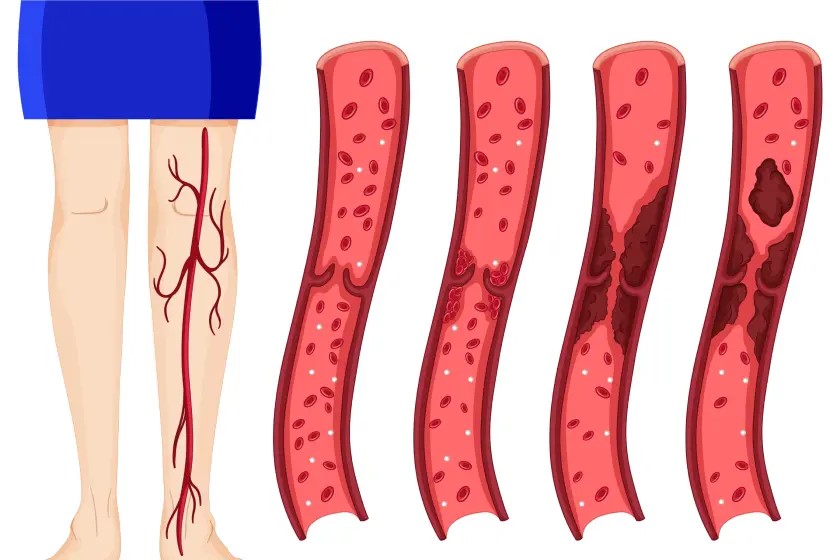
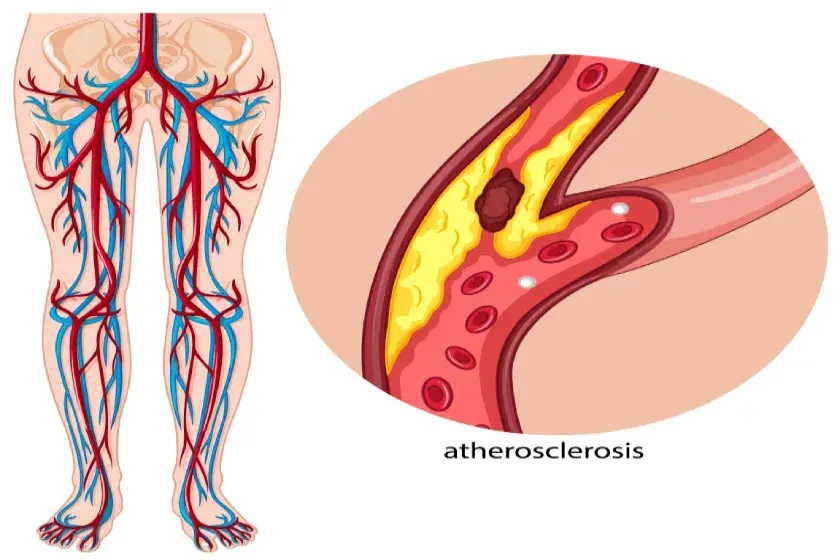
Peripheral Artery Disease is a circulatory condition in which the arteries that supply blood to the limbs become narrowed or blocked due to plaque build-up. This plaque consists of cholesterol, fatty deposits, and other substances that hinder blood flow. As a result, the affected limbs receive insufficient oxygen-rich blood, which can cause various symptoms, including leg pain, cramps, and even tissue damage in severe cases.
PAD is a progressive condition, which means that it worsens over time if left untreated. The disease can also affect the arteries that supply blood to vital organs such as the heart and brain, increasing the risk of heart attack, stroke, and other life-threatening conditions.Some common signs of PAD include:
Claudication: Pain or cramping in the legs, typically triggered by physical activity and relieved by rest. Coldness in the legs or feet: Affected areas may feel cold or numb due to poor circulation. Slow-healing wounds: Poor blood flow hinders the body’s ability to heal cuts or wounds on the affected limbs.
Diabetes and PAD Connections
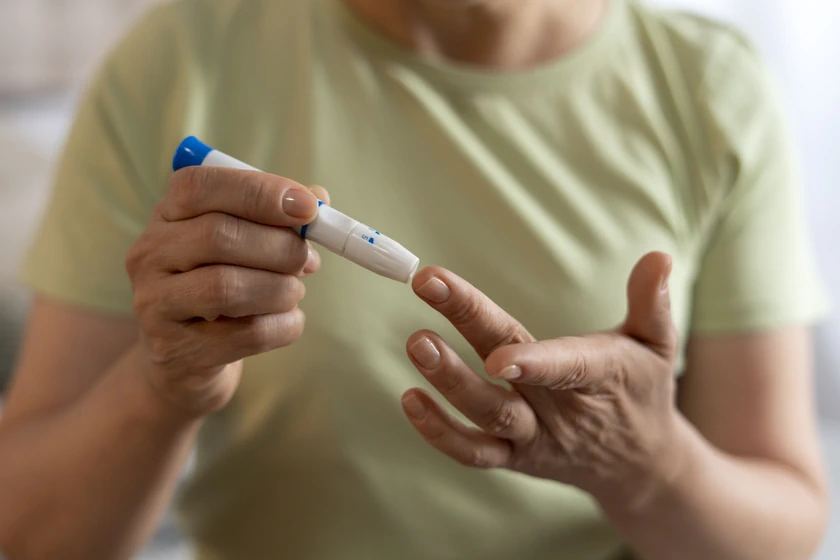
Diabetes is one of the leading risk factors for PAD. Prolonged high blood sugar levels cause damage to the blood vessels and nerves, making the arteries more prone to narrowing and blockage. Additionally, people with diabetes are more likely to develop other conditions that contribute to PAD, such as high cholesterol and high blood pressure.
Diabetes causes vascular damage in several ways:
Endothelial Dysfunction: High blood sugar impairs the function of the endothelial cells that line blood vessels, promoting inflammation and plaque formation. Increased Blood Clotting: Elevated blood sugar levels can lead to increased clotting tendencies, further restricting blood flow. Neuropathy: Diabetes-related nerve damage may prevent people from feeling symptoms of PAD, delaying diagnosis and treatment.
The relationship between diabetes and PAD is often referred to as a "vicious cycle." Diabetes accelerates the development of PAD, while PAD worsens the complications of diabetes. Managing both conditions simultaneously is essential to reduce the risk of amputation, heart attack, or stroke.
Signs and Symptoms of Peripheral Artery Disease
Recognising the symptoms of PAD is crucial for timely diagnosis and treatment. However, symptoms in diabetics may be less obvious due to nerve damage (neuropathy). Some of the common signs of PAD include:
Painful cramping: This typically occurs in the calf muscles during physical activity. The pain, known as claudication, is often relieved by rest. Leg numbness or weakness: As the disease progresses, there may be a feeling of weakness or numbness in the legs, making it difficult to walk. Coldness in the affected limb: Poor circulation often results in one leg or foot feeling colder than the other. Skin changes: The skin on the legs may become shiny, discoloured, or thinner due to poor circulation. In severe cases, sores or ulcers may develop. Delayed wound healing: People with PAD often experience slow healing of wounds or sores, which can lead to infection and complications.
Early diagnosis and treatment can prevent the progression of PAD, so it is vital for individuals with diabetes to monitor any changes in their legs and feet.
Risk Factors for Type 2 Diabetes and PAD
Several factors increase the risk of developing both diabetes and PAD. These include:
Smoking: Smoking is one of the most significant risk factors for PAD and worsens the effects of diabetes. It damages blood vessels and promotes the formation of arterial plaques. Obesity: Excess body weight, especially abdominal fat, contributes to inflammation, high cholesterol, and insulin resistance—all of which increase the risk of both PAD and diabetes. Age: The risk of both diabetes and PAD increases with age, particularly after 50. High Blood Pressure: Hypertension is a major risk factor for both PAD and diabetes complications. It accelerates the process of atherosclerosis, narrowing the arteries. Genetics: A family history of PAD or diabetes increases the likelihood of developing these conditions. Physical Inactivity: Lack of regular exercise contributes to poor circulation, making it more likely for PAD to develop. Exercise also helps control blood sugar levels, which is essential for managing diabetes.
Complications of Diabetes and PAD
The combination of diabetes and PAD leads to several severe complications, which include:
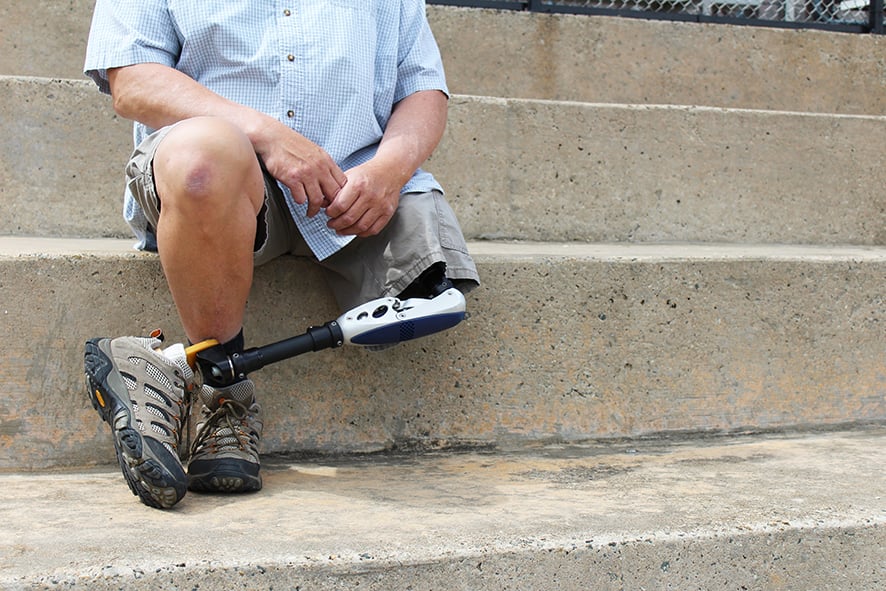
Critical Limb Ischaemia (CLI): A severe form of PAD that causes constant pain, non-healing ulcers, and the risk of tissue death. CLI often leads to limb amputation if not treated promptly. Amputation: People with diabetes and PAD are at a significantly higher risk of needing amputation due to infections or severe tissue damage in the legs and feet. Heart Attack and Stroke: Since PAD affects the arteries, it often signals widespread vascular issues. The presence of PAD in diabetics doubles the risk of cardiovascular events like heart attack and stroke. Wound Infections: Reduced blood flow from PAD impairs the immune system's ability to fight infections, making wounds harder to heal and more prone to complications.
Making Lifestyle Changes Can Help Both Diabetes and PAD
Lifestyle modifications are the cornerstone of managing both diabetes and PAD. Making these changes can significantly improve blood flow, control blood sugar, and reduce the risk of complications. Key changes include:
Regular Exercise: Physical activity, such as walking or swimming, strengthens the heart and improves circulation. Exercise also helps lower blood sugar levels, contributing to better diabetes control. Healthy Diet: A diet rich in fruits, vegetables, whole grains, and healthy fats helps reduce cholesterol levels and inflammation, promoting vascular health. Limiting refined sugars and unhealthy fats is essential for managing diabetes. Smoking Cessation: Quitting smoking is the single most important lifestyle change for someone with PAD and diabetes. It helps reduce arterial damage and improves circulation. Weight Loss: Maintaining a healthy weight reduces the strain on the cardiovascular system and helps control blood sugar. Monitoring Blood Pressure and Cholesterol: Regular monitoring and treatment of high blood pressure and cholesterol are crucial for preventing the progression of PAD.
Extra Precautions for Diabetics
People with diabetes need to take extra precautions to prevent the worsening of PAD:
Foot Care: Diabetic patients should inspect their feet regularly for cuts, blisters, or infections, as they may not feel pain due to neuropathy. Proper foot hygiene and appropriate footwear are essential. Blood Sugar Control: Tight control over blood glucose levels prevents further damage to the blood vessels and reduces the risk of complications from both diabetes and PAD. Regular Check-Ups: Diabetic patients should see a vascular specialist regularly to monitor for signs of PAD and other complications. Medication: Doctors may prescribe medications to control cholesterol, blood pressure, and blood sugar, all of which are crucial for managing PAD and diabetes effectively.
Conclusion
Peripheral Artery Disease (PAD) and diabetes are closely linked, with each condition exacerbating the effects of the other. Early detection and management of both conditions can significantly improve outcomes and prevent severe complications like amputation, heart attack, and stroke.
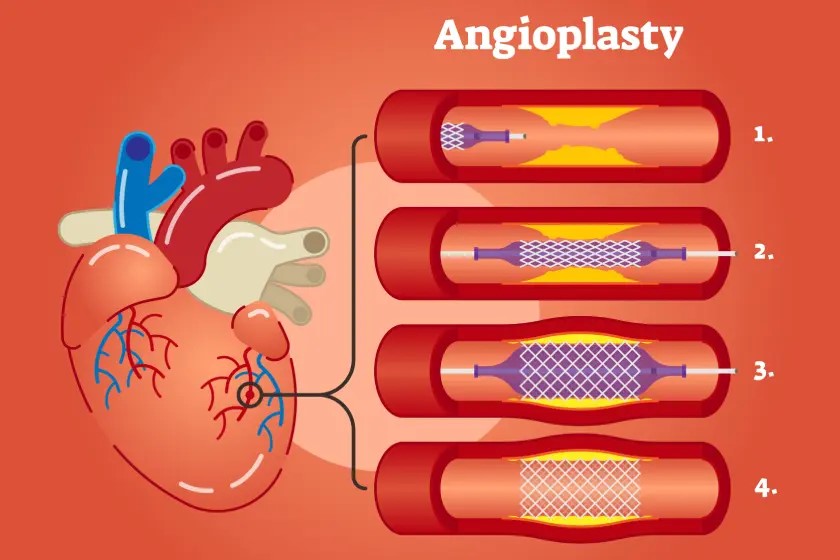
If you are diabetic or at risk for PAD, it's essential to consult with a vascular surgeon in Vadodara or a vascular specialist for proper diagnosis and treatment. Dr. Sumit Kapadia offers expert care and peripheral artery disease treatment, including endovascular treatment, tailored to your needs. Don't wait for symptoms to worsen—schedule a consultation today.