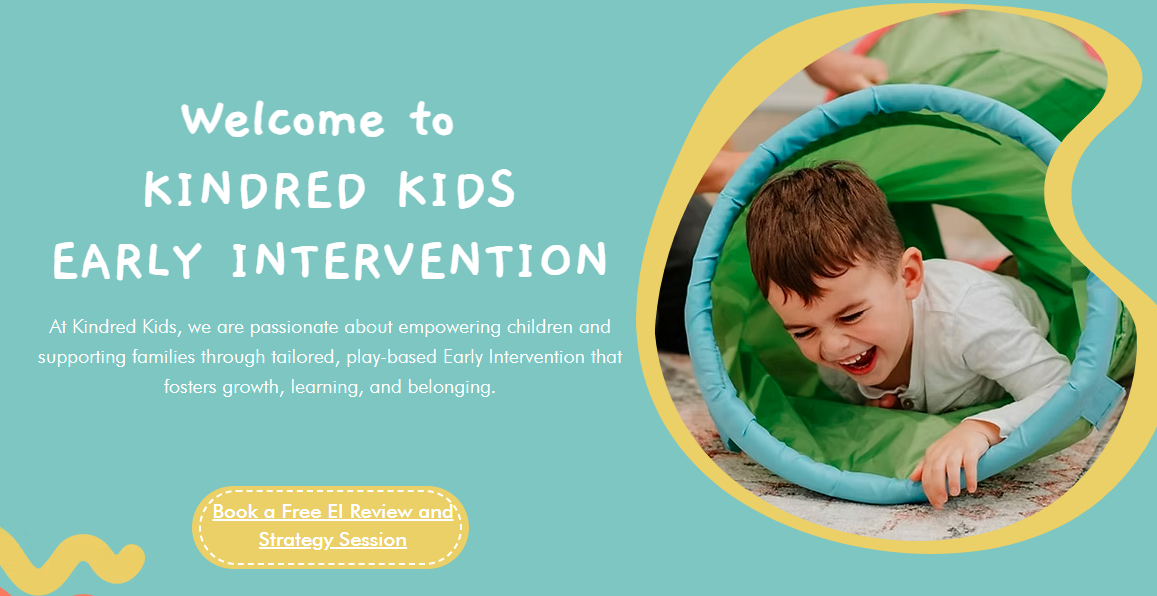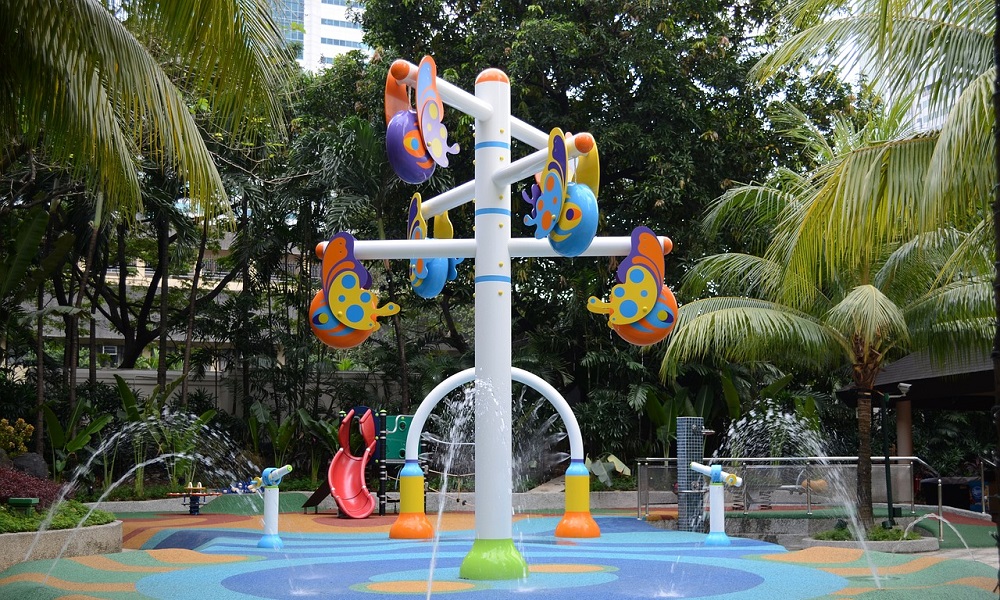
Sensory play is an important activity that helps children explore and interact with their environment. For children with autism, it can be especially beneficial in many ways. In an autism caring center, sensory play can support a child’s development by providing the opportunity to engage their senses in a safe and controlled space. Sensory play can help these children understand the world around them and improve their ability to communicate, socialize, and focus.
Children with autism may experience challenges with sensory processing, which means they might be sensitive or under-responsive to certain sights, sounds, or textures. Sensory play is designed to help children experience these sensations in a positive, non-threatening way. It supports their development by helping them make sense of the world and express themselves more confidently.

What is Sensory Play?
Sensory play involves activities that stimulate a child’s senses: sight, touch, taste, smell, and hearing. For children with autism, sensory play is not just fun—it’s an important tool for development. These activities help children develop cognitive, motor, and emotional skills in a safe and enjoyable manner. Sensory play can include activities like:
- Playing with sand, water, or playdough
- Exploring different textures, such as fabrics or sponges
- Listening to various sounds or music
- Engaging in activities with bright colors or lights
- Smelling different scents like flowers or spices
These activities help children explore their senses in a way that supports both their physical and emotional well-being.
Benefits of Sensory Play for Autistic Children
How Sensory Play Can Be Used in an Autism Caring Center
An autism caring center is a place where children with autism receive specialized care and support. These centers understand the importance of sensory play and use it to create a learning environment that caters to the needs of children with autism. Sensory rooms or spaces are often used in these centers, providing a quiet, controlled area where children can explore various sensory activities.
The activities offered in these centers are carefully selected to meet each child's individual needs. For example, some children may benefit from activities that stimulate their tactile senses, while others might enjoy activities that engage their hearing or vision. The goal is to provide a range of activities that support each child’s developmental needs, allowing them to grow at their own pace.
Simple Sensory Play Ideas for Parents and Caregivers
Parents and caregivers can bring the benefits of sensory play into the home as well. Here are some easy and inexpensive sensory play ideas that can be done at home:
- Water Play: Fill a small basin with water and provide cups, spoons, or small toys for the child to explore. The feeling of water can be very soothing and engaging.
- Playdough: Let your child explore playdough with their hands. You can make homemade playdough with simple ingredients like flour, salt, and water.
- Textured Items: Gather different fabrics, sponges, or other materials for your child to touch. Let them explore how each one feels. You can also incorporate items with different temperatures to add variety.
- Coloring or Painting: These activities provide visual stimulation while also allowing children to express their creativity.
- Listening to Music or Nature Sounds: Playing soft music or nature sounds can be a calming sensory activity, helping children relax and focus.
These activities don’t require special equipment and can be easily added to daily routines.
Creating a Sensory-Friendly Environment at Home
It’s important to create a sensory-friendly space for children with autism. This means providing a quiet, clutter-free area where they can relax and focus on sensory activities. To create this space:
- Use soft lighting to avoid overwhelming the child with bright or flashing lights.
- Keep the area organized and free from distractions.
- Provide a variety of sensory toys and materials to engage the child.
- Consider using calming colors, such as soft blues or greens, to promote relaxation.
By creating a sensory-friendly space at home, you can offer your child a calm environment where they feel safe and supported while they explore sensory play.
The Role of Child Autism Therapy in Sensory Play
Child autism therapy is essential for children with autism as it helps address their unique needs. Sensory play is often included in therapy programs, where therapists use specific activities to support a child’s development. Through therapy, children learn how to regulate their sensory experiences, interact with others, and develop essential life skills.
At a therapy center, skilled professionals assess each child's needs and tailor sensory activities to help them achieve their goals. These therapies not only support the child’s sensory development but also promote emotional and social growth. The combination of sensory play and therapy offers a holistic approach to helping children with autism thrive.
Conclusion
Sensory play offers a wealth of benefits for children with autism, helping them develop important skills in communication, emotional regulation, focus, and social interaction. Whether at an autism caring center or at home, sensory activities can play a major role in a child's development. These activities provide a safe and enjoyable way for children to explore their world and express themselves. As part of an overall therapy plan, sensory play can be an excellent tool to support children with autism in their journey toward growth and independence.