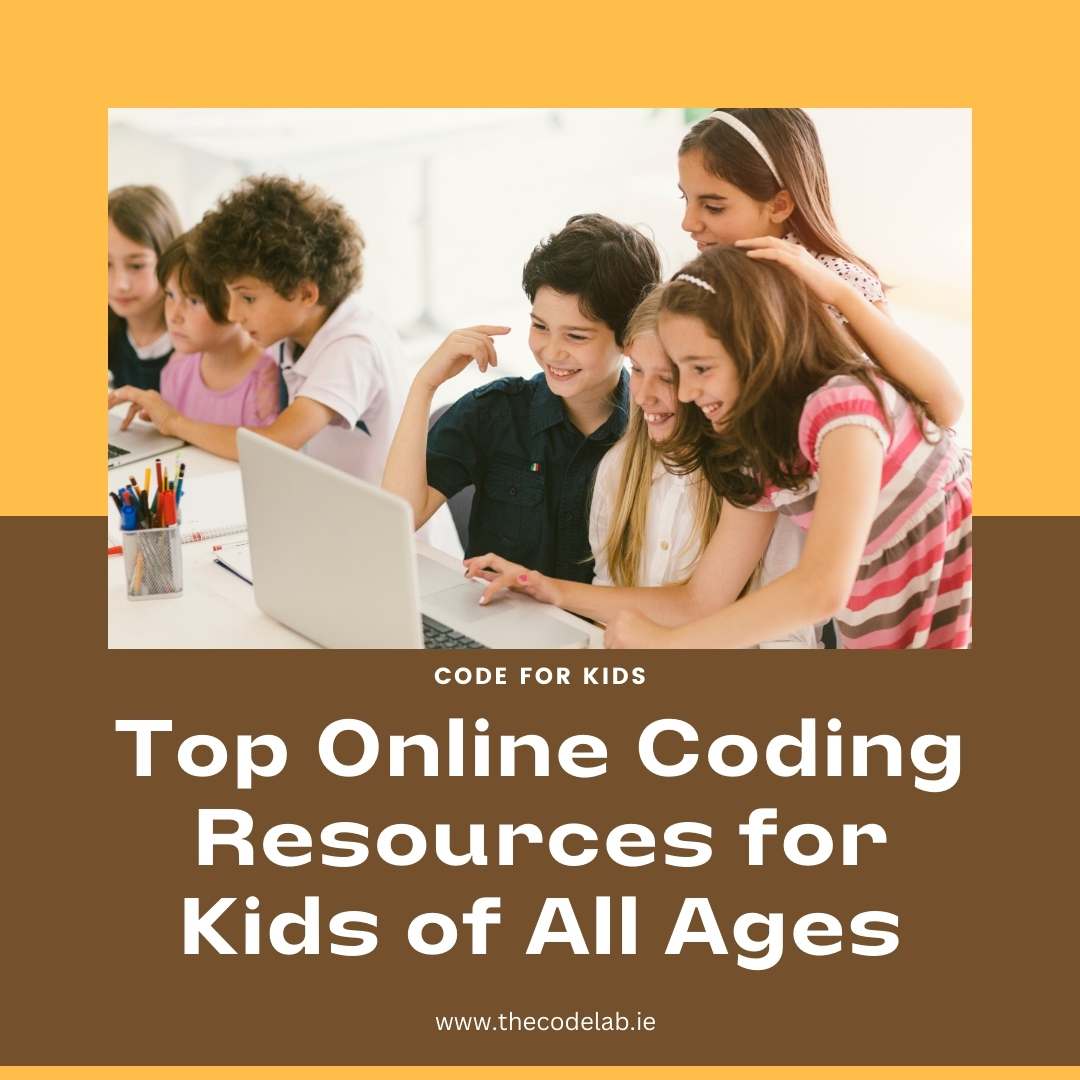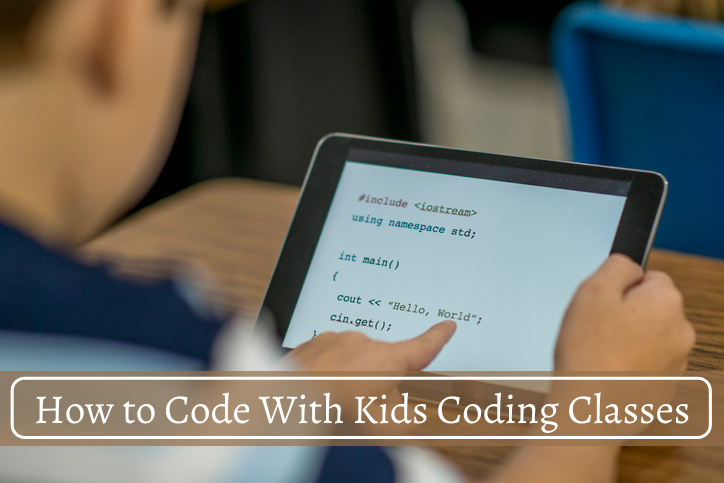


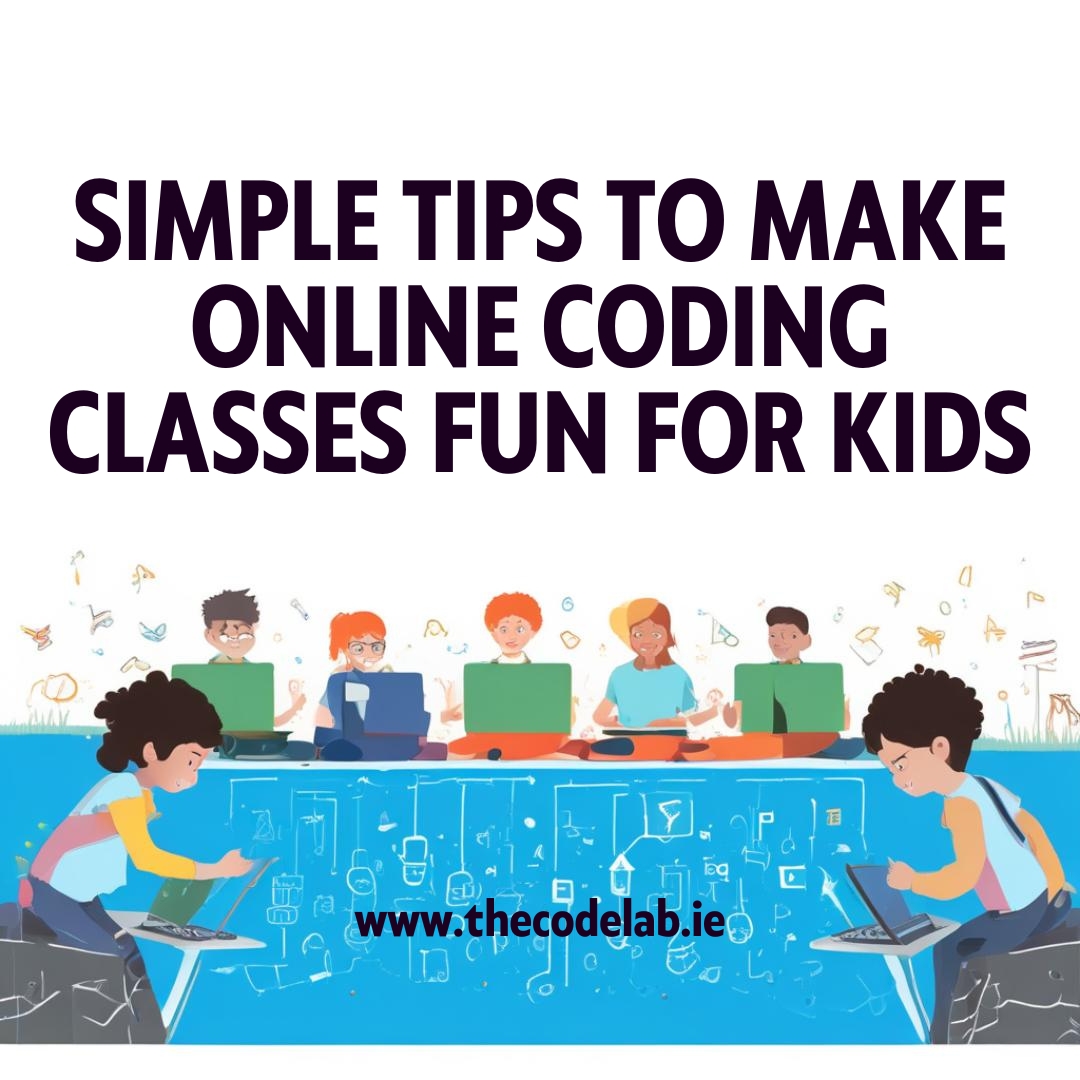
Making online coding classes enjoyable helps kids stay engaged and motivated. When lessons in online coding classes for kids are fun, they develop a love for coding and explore their creativity. Interactive activities and interesting challenges make programming feel less like work and more like an adventure. This approach encourages curiosity and builds a strong foundation in computer science education. In this guide, we will explore tips for making online coding classes fun for kids.
Understanding Kids' Learning Styles
- Identifying Different Learning Styles
Each child learns in a different way. Some children learn through visual modes, whereas other children learn by listening. Visual learners learn best with diagrams, videos, and presentations with colours. Auditory learners learn best from talking and discussions.
You can also identify children who mix these styles. For instance, children may watch a coding tutorial and then practice the code themselves. Identifying these differences enables you to adjust lessons to meet their needs.
- Adapting Online Coding Classes to Suit Kids' Needs
Once you know the learning style of a child. You can modify the online coding classes for kids to make them more useful. Visual learners can work with interactive graphics or animation-based platforms. For auditory learners, select lessons that have good explanations or provide an opportunity for them to ask questions.
You can also blend methods to keep children interested. For instance, begin with a video demonstrating a concept, then allow them to practice writing code. This blending keeps them interested, and they learn to code naturally.
Incorporating Gamification in Coding for Kids
- Using Games to Teach Coding Concepts
Coding is made fun by games for children. Games enable children to develop interactive stories, animations and fun based on coding. The method makes programming easier by allowing children to drag and drop blocks of code rather than typing in complicated syntax. This helps learn vital concepts such as loops, conditionals, and variables in a playful manner.
Another great approach is to use programming games that task children with completing puzzles. Such games might require them to program in order to accomplish a goal, like navigating a robot or picking up items. In working through the challenge, children gain problem-solving experience while being interested.
- Reward Systems to Keep Kids Motivated
Incentives can motivate children to concentrate throughout coding class. You might create a system of points by which they can gain points for the completion of assignments or resolving issues. An example would be the completion of a project or debugging some code, earning them a badge or certificate.
The positive competition encourages children to practice better. Still, it's great to reward personal progress, as well. Basic rewards such as stickers, virtual trophies, or even a kind word can build confidence and make coding for children more fun.
Encouraging Creativity Through Projects
- Hands-On Projects for Children
These projects are a great tool for making coding fun for children. Projects enable them to put into practice what they learn in coding classes and produce something tangible.
You can also get children to construct little games. These useful projects impart necessary skills such as problem-solving and thinking logically in kids. They also make children feel proud when they realise their code materialises into something real.
- Giving Children Freedom to Explore Their Passions in Coding
Allowing children to pursue their passion for coding makes them engaged. If the child is enjoying storytelling, tell them to design an interactive tale. Children who like science might code a simulation or a simple calculator. You make online coding classes for kids more engaging and relevant by tying projects to what they love.
You can also expose children to various aspects of programming. Perhaps they can be encouraged to dabble in animation, robotics, or web designing. This does several things - it helps them figure out what most gets them going about programming. Secondly, they build confidence by understanding the multitude of things that they can produce with code.
Balancing Fun and Structure in Online Coding Classes
- Setting Clear Goals for Kids
Specific goals provide children with a sense of direction and purpose in their coding path. Setting objectives in specific terms makes it clear to the children what they are aiming for. And helps them feel accomplished when they achieve it.
Divide bigger goals into smaller and achievable ones. Rather than requiring them to finish a whole project, lead them to initially develop a piece of code. This makes coding easier and more fun.
- Keeping a Flexible and Fun Schedule
A flexible timetable ensures coding lessons are fun rather than stressful. Not all kids are the same; each has different levels of energy and concentration. So, the speed of the lessons must be varied to meet their needs. You could start with a short coding activity and then take a break. They can chat about their concepts or play a game rapidly.
Final Thoughts
Making online coding classes fun ensures kids stay motivated and develop a love for programming. Engaging lessons foster creativity and build essential skills. Apply these tips to create the best online coding class experience. Explore top-rated coding classes to find the right fit and inspire kids to enjoy learning.
The Code Lab offers a variety of coding and computer science courses and lessons to empower children with digital skills for the future. Their online learning platform enables children to connect with technology on a daily basis; they watch, listen, and play with a variety of technologies.