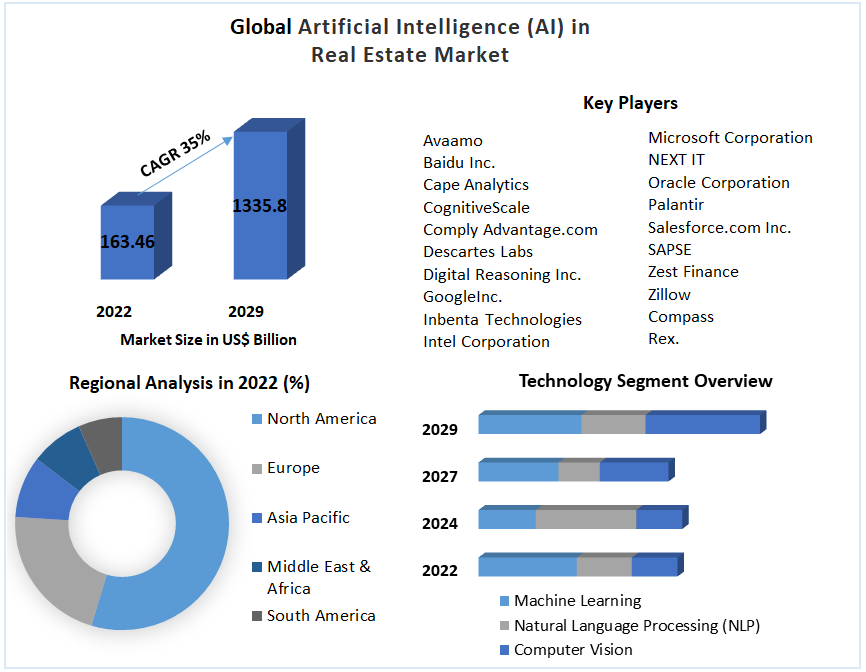


The real estate industry is increasingly relying on artificial intelligence to streamline operations and enhance customer interactions. AI-supported applications are transforming various aspects of real estate management, including property search, lead generation, transaction management, and more. AI algorithms, specifically machine learning models, assess customer preferences and deliver personalized property recommendations, improving engagement and retention for realtors. Additionally, AI-powered systems can detect fraudulent transactions, mitigate document irregularities, and ensure compliance with regulations, offering long-term security benefits.
Building AI-powered applications for real estate requires expertise in AI technologies, including algorithm libraries, machine learning models, and application frameworks. While developing AI solutions in-house can be resource-intensive and costly, partnering with experienced AI development companies offers numerous advantages. These developers are skilled in crafting and deploying custom models, ensuring that the developed applications meet the unique needs of real estate businesses. Tools like TensorFlow Lite and Flutter enable the creation of AI-driven applications for both desktop and mobile platforms.
The benefits of hiring dedicated AI developers for real estate app development are significant. Not only does it reduce development and operational costs, but it also ensures scalable deployment on cloud platforms. These platforms provide the flexibility to scale resources based on demand, which helps minimize costs in the long term. Furthermore, AI developers ensure that data security and compliance standards, such as GDPR and PCI DSS, are met by integrating advanced encryption and access controls into applications.
Key use cases of AI in real estate includes:
- Lead generation: AI-driven lead generation applications use machine learning models and natural language processing (NLP) chatbots to engage with potential buyers and qualify leads.
- Property valuation: Property valuation applications, on the other hand, employ neural networks and dynamic pricing models to assess market trends, property data, and historical transactions to recommend optimal pricing.
- Smart transaction management: Smart transaction management solutions use optical character recognition (OCR) and contract validation flows to ensure secure, fraud-free property transactions.
For real estate businesses looking to enhance their operations, hiring AI development experts is essential. These experts can build customized AI solutions that align with business objectives while ensuring compliance, security, and scalability.
Click here to read the full blog and dive deeper into how AI is revolutionizing real estate.