Sustainable lighting in London is becoming essential as we all face up to the challenges around climate change. How we light our homes and workplaces can play a major role in our energy use and environmental impact. Let's explore how you can create stylish but energy-efficient interiors through smart lighting choices.
Why Sustainable Lighting in London Matters
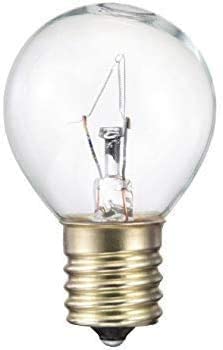
The climate needs us all to take immediate action, and lighting is one element that uses a lot of energy globally. By switching to sustainable lighting, you can reduce your energy use while also helping to make your space look good and work well. LEDs have changed the sustainable lighting landscape because they use about 85% less energy than old-fashioned incandescent lamps and last up to 50,000 hours compared to just 1,000 hours for traditional lamps. It has been said that if everyone switched to LED lighting, we could cut electricity use for global lighting by more than half by 2030.
Create Your Energy-Efficient Lighting Plan
- Make the Most of Natural Light
The most sustainable lighting in London is sunlight, and it's free! By using natural daylight, you'll need to use less artificial lighting, which will save energy and cost much less. It also improves your mood, connects you with the outdoors, shows colours perfectly and costs nothing. Light-coloured walls and window additions such as brise soleil can help you control and maximise the natural light throughout the day.
- Layer Your Lighting
Using one big light for everything wastes energy. Instead, think about lighting in layers. Ambient lighting can give general illumination for the whole space; task lighting focuses on specific activities such as reading or cooking, and accent lighting can highlight special features or artwork. Using layered lights lets you use light only where and when you need it, which saves energy and can make your home or business look stylish and appealing.
- Choose LED Technology
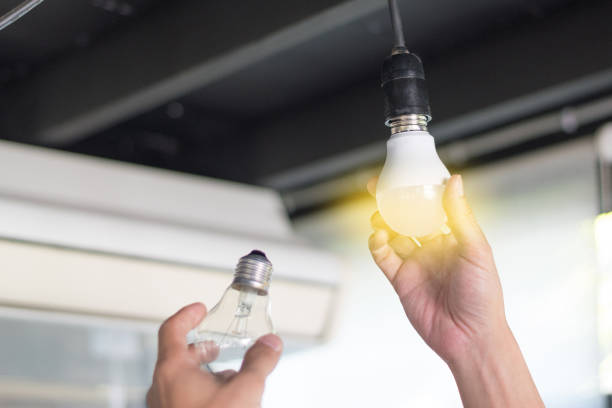
LED lighting should be the foundation of any sustainable lighting plan. It uses up to 85% less energy than incandescent lamps, and LED lamps last 25-50 times longer. LEDs also produce less heat which can reduce the use of air conditioning in the summer. They contain no mercury or other toxic materials and come in many colours and styles to suit any room.
- Think About Light Colour
Light colour affects both energy efficiency and how you feel. Colour temperature is measured in Kelvins (K). Warm white (2700K-3000K) creates cosy, relaxing environments which are good for living rooms and bedrooms. Neutral white (3500K-4100K) works well in kitchens and workspaces. Cool white (5000K-6500K) is like daylight and increases alertness, but it can disrupt sleep. Lower colour temperatures under 3200K are better for sustainable lighting in London in exterior locations as they cause less light pollution and less disturbance to wildlife.
- Use Smart Controls
Smart lighting technology can also improve efficiency. Motion sensors turn lights on only when someone's there, and daylight sensors adjust artificial lighting based on what natural light is available. Timers can automatically turn lights off during specified hours and dimmers reduce the output of lights when full brightness isn't needed. Smart systems let you control lighting remotely through apps, and these controls can cut lighting energy use by 25-60% in many situations.
- Use Sustainable Fixtures
Energy-efficient lighting isn't just about the lamps; it's also about fixtures. Choose fixtures made from sustainable materials such as recycled metal, responsibly sourced wood or glass. Look for designs that will allow for easy repairs and part replacement. Consider how long the fixture will last and choose timeless designs to avoid frequent replacements. Support companies with 'repair, don't replace' policies and always think about refurbishment or remanufacturing your existing light fixtures rather than replacing them. This will also support the circular economy and save energy and materials.
Benefits Beyond Energy Savings
Sustainable lighting in London has advantages that go beyond just helping the environment. You'll see reduced costs through lower energy bills, and your lights will need replacing less frequently. Your eye comfort will improve with better quality light that has less glare and flickering, and your well-being may improve as appropriate lighting supports your body's natural rhythms and mood. The value of your business might also increase as sustainable features attract end-users.
Getting Started
You don't need to change everything at once. Start by replacing your most frequently used lamps with LEDs. Install a few smart controls in high-traffic areas and add a dimmer to the main working areas. Think about the natural light patterns in your business and consider adding layered lighting when planning your next update.
Conclusion
By making thoughtful lighting choices, you're not just creating functional interiors; you're also helping to build a more sustainable future. Energy-efficient lighting proves that looking good and doing good can go hand in hand.