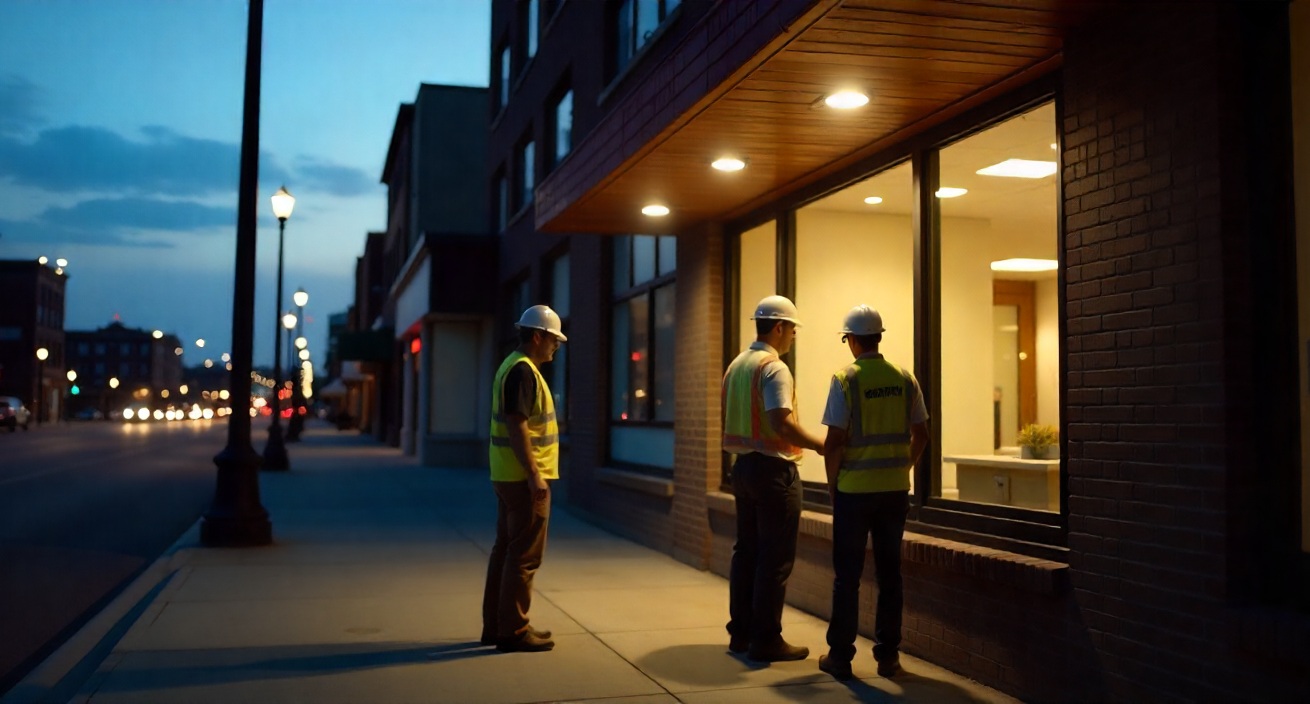
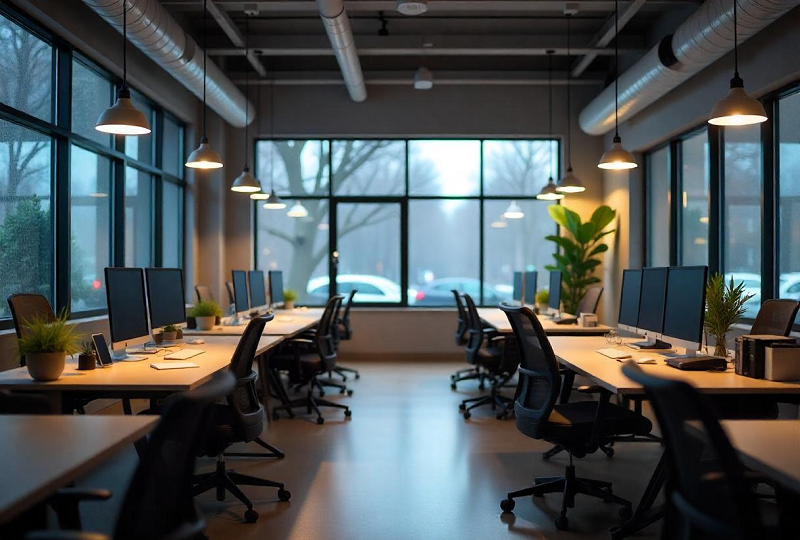
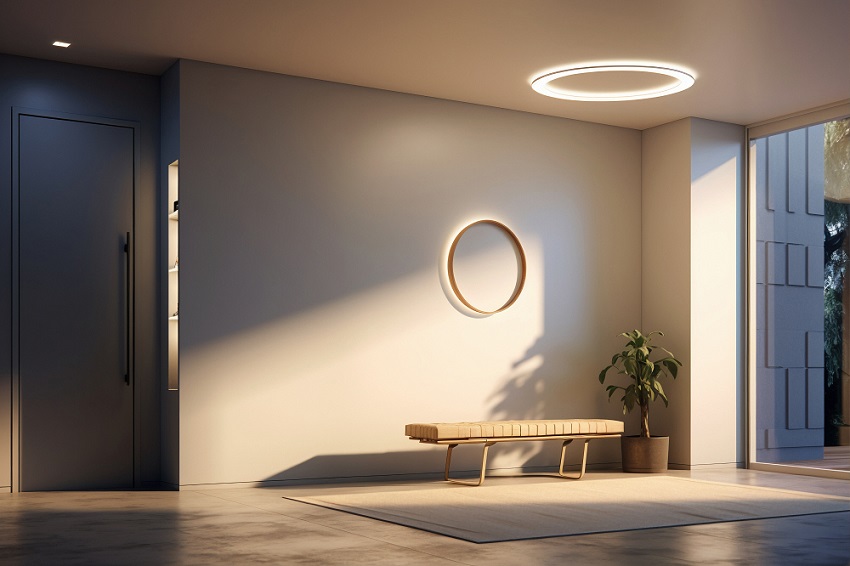
In 2026, commercial property managers are revisiting their traditional assumptions about lighting. Historically, the default approach to failing systems was to replace them. Today, restoration is becoming a more popular choice. This is influenced by a combination of cost and sustainability concerns, regulatory obligations and the constant demand for better performance.
This shift in focus reflects a broader change in how businesses measure value, risk and the performance of their assets over the long term.
Cost Efficiency in a High-Pressure Market
Construction budgets are being seriously affected by the rising cost of materials, the volatility of the supply chain, and the persistence of labour shortages. In the context of these difficulties, lighting restoration represents an attractive financial alternative to replacement.
The focus of restoration is on upgrading lighting systems. Common practices include cleaning optics, refurbishing housings, replacing obsolete controls and installing modern LED light engines where it's possible to do so. These improvements can match the effectiveness of new installations at 40-60% of the cost. For large commercial sites, the savings can be substantial, releasing capital for other investments.
Restoration also reduces the downtime that is an unavoidable requirement of full replacement. It is a faster and less intrusive option. Restoring existing fittings keeps disruption to a minimum, which makes it very attractive to asset managers whose priorities are tenant retention and continuity of operations.
Sustainability and Carbon Accountability
Sustainability is no longer just a desirable extra. In 2026, property management decisions have to be made in the spotlight of ESG (Environmental, Social, and Governance) reporting requirements, investor scrutiny and net-zero commitments.
Lighting restoration is an important element in the concept of the circular economy. When you extend the life of your current assets rather than replacing them, you avoid the embodied carbon inherent in manufacture, transport and disposal. In many cases, the carbon reduction of restoration outweighs that achieved by replacement alone.
For commercial property owners seeking to improve their EPC ratings, BREEAM scores or any other ESG credentials, restoration is a measurable strategy for sustainability. Lighting designers are increasingly being asked not just to design efficient systems, but to justify their choices of material. Restoration makes this much easier.
Compliance with Evolving Standards
Lighting standards and workplace regulations are developing all the time. Today, there is a particular focus on energy efficiency, glare control, emergency lighting and the well-being of a building's occupants. Even buildings constructed or refurbished as recently as the early 2000s fall short of current expectations.
Restoration is a way of bringing existing installations up to modern standards without the cost and disruption of replacement. Restored lighting can be fitted with upgraded drivers, intelligent controls and fully compliant components. It's faster and produces much less waste.
Restoration also helps businesses to manage compliance risk by being proactive, instead of waiting for a system to fail or an enforcement order to be served.
Performance, Wellbeing and Brand Perception
Lighting quality heavily influences the perception and use of commercial buildings. Poor lighting is bad for productivity, safety, customer experience and brand image. The commercial consequences can be significant.
By employing modern techniques of restoration, businesses can make substantial improvements in light output, consistency, colour rendering and control, including programmed responsiveness to factors like natural light conditions and occupancy levels.
For large businesses, restoration leads to healthier workplaces, stronger staff retention and better environments for customers. For lighting designers, restoration provides opportunities to find creative answers to technical challenges that combine heritage systems with contemporary expectations.
Strategic Asset Management, Not Short-Term Fixes
Perhaps the most important reason why lighting restoration is being prioritised in 2026 is a change in thinking. Property managers are coming to see lighting as a long-term asset rather than just another consumable.
Restoration complements programmes of preventative maintenance, because lighting systems can be upgraded in stages that fit with planned refurbishment cycles. This makes it easier to budget by reducing the likelihood of emergency spending and extending the life of lighting assets.
For construction companies and specialist contractors, this is changing the nature of their services. Instead of one-off installations, they are now forming long-term partnerships.
Restored Lighting as a Strategic Choice
Economic, environmental and regulatory concerns are the three main drivers of changing business practice. In that context, restored lighting has changed from being a compromise to a strategic choice. In 2026, UK commercial property managers are prioritising restoration because it facilitates cost efficiency, sustainability, compliance and performance.
It is essential that business owners, decision makers and industry professionals embrace this approach. The future of commercial lighting is not just about what is new, but about how intelligently we use what already exists.

Have you found yourself raiding online sites for the best heritage builders in Sydney recently?
Well, let me tell you that you are at the right spot because Murphy’s Remedial Builders is the most renowned company in Sydney offering its services in the remediation of heritage sites.
In fact, they have redesigned the roofs of various heritage buildings of the 1800s.You will not find a better company than Murphy’s Remedial Builders for heritage restoration projects.
With their 28 years of history, they have restored some of the very old buildings in Australia, and all of them with great success and within the allotted time frame.
Their slate experts have also had their hands-on working on the buildings of England that are as old as over 300 years.
They brought a new lease of life and brought back the pristine condition of some of the most historical and valuable public assets in NSW.Their portfolio also involves the wide range of restoration work that they have carried out on the privately-owned heritage homes across the region of Sydney.They have the skills and the required knowledge to rebuild or restore each and every part of the heritage building in a very sympathetic and faithful way.