


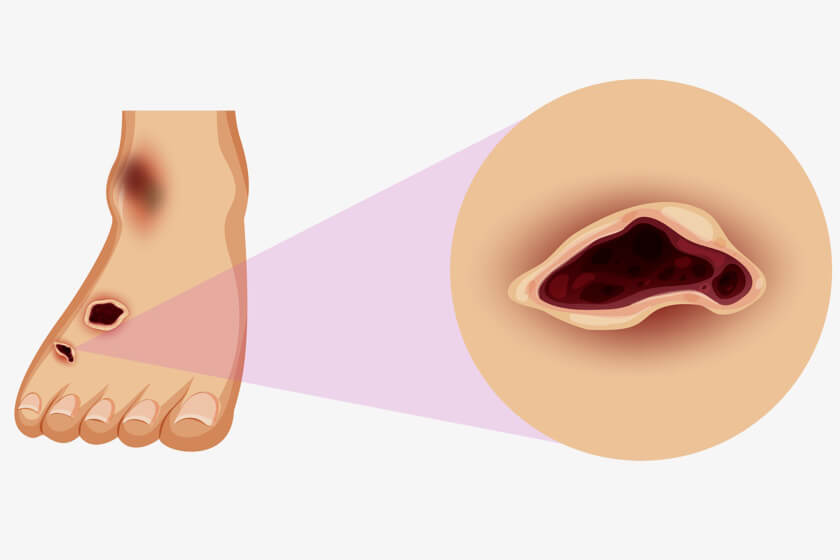
Foot and toe ulcers are more than just wounds, they’re open sores that can become serious medical conditions, especially for individuals with diabetes. If not managed correctly, they can lead to severe infections, hospitalisation, or even amputation. The good news? With the right care, early detection, and an experienced specialist, these complications are preventable.
In this guide, we’ll break down everything you need to know about foot and toe ulcers, including their causes, how to recognise them early, how to treat ulcers on feet, and strategies to prevent them from developing in the first place.
What Are Foot and Toe Ulcers?
A foot or toe ulcer is an open sore that develops when the skin and underlying tissue break down. These ulcers often form on pressure points, like the ball of the foot, the heel, or the tip of the toe. In patients with diabetes, these wounds are particularly dangerous because they tend to heal slowly and are more prone to infection.
Why Are Ulcers More Common in Diabetic Patients?
Toe ulcer diabetes cases are common because high blood sugar levels damage nerves (a condition called diabetic neuropathy) and blood vessels over time. This leads to:
- Reduced sensation in the feet
- Poor circulation
- Slower healing of wounds
Because people with diabetes may not feel pain, they often don’t notice cuts, blisters, or pressure sores until they’ve developed into more serious ulcers. That’s why toe ulcers treatment must be timely and proactive.
The Importance of Early Detection and Treatment
Early treatment is the difference between a small, manageable wound and a long-term complication that could require surgery or even amputation.
Ignoring an ulcer on the foot can lead to:
- Infection that spreads to bones or tissue
- Hospitalisation for IV antibiotics
- Limb-threatening complications
Prompt care not only speeds healing but also prevents recurrence, which is common if underlying issues aren’t addressed. The sooner you know how to treat ulcers on feet, the better your outcome.
Causes of Foot and Toe Ulcers
Several factors contribute to the development of foot and toe ulcers. Understanding them can help with both prevention and effective ulcer foot treatment.
1. Diabetes and Neuropathy
In people with diabetes, nerve damage reduces feeling in the feet. This means:
- Minor injuries go unnoticed
- Pressure points develop without discomfort
- Skin breaks down more easily
This combination creates the perfect conditions for a toe ulcer diabetes to form and worsen.
2. Poor Circulation and Peripheral Artery Disease (PAD)
PAD reduces blood flow to the lower limbs. Without enough blood supply, wounds take longer to heal. Poor circulation can turn a small sore into a serious ulcer.
3. Infections and Skin Trauma
Cuts, scrapes, ingrown toenails, or even fungal infections can break the skin. In people with diabetes or PAD, these injuries can rapidly escalate.
4. Pressure Sores and Improper Footwear
Shoes that are too tight, too loose, or rub in the wrong place can cause pressure points or blisters. Over time, these turn into ulcers, especially in patients who can’t feel pain due to neuropathy.
Symptoms of Foot and Toe Ulcers
Spotting the early signs of a toe ulcer is crucial. Knowing what to look for can help you take action before complications arise.
How to Recognise an Ulcer
- An open sore or wound on the foot or toe
- Red, irritated skin that doesn’t heal
- Drainage or pus
- A black or brown crust (possible tissue death)
Early Warning Signs
- Swelling, warmth, or redness in a specific area
- Foul-smelling discharge
- Persistent pain (if sensation is intact)
- Fever or chills in advanced cases
If you notice any of the above, especially if you have diabetes, seek medical attention immediately. Even a small ulcer on foot can spiral into a severe problem if ignored.
How to Treat Ulcers on Feet
Effective ulcer foot treatment is a step-by-step process that focuses on:
- Cleaning the wound
- Removing dead tissue
- Preventing and treating infection
- Supporting healing
1. Cleaning, Debridement, and Dressing
- Cleaning: The wound is gently cleaned with saline or antiseptic solutions.
- Debridement: Dead or infected tissue is removed to allow healthy tissue to grow.
- Dressings: Specialised dressings are applied to keep the wound moist and protected.
Regular wound care by a specialist is essential for healing. Self-treatment is not recommended, especially for diabetic patients.
2. Antibiotics, Advanced Wound Care, and Offloading
For infected ulcers, toe ulcers treatment includes:
- Antibiotics: Oral or IV medications to combat infection
- Advanced wound therapies: Negative pressure wound therapy (vacuum dressings), skin substitutes, or growth factor applications
- Offloading: Using special footwear, casts, or orthotics to reduce pressure on the wound and promote healing
3. Surgical Interventions (If Required)
In severe cases where the ulcer is deep or non-healing:
- Surgical debridement may be needed
- Skin grafts can help cover large wounds
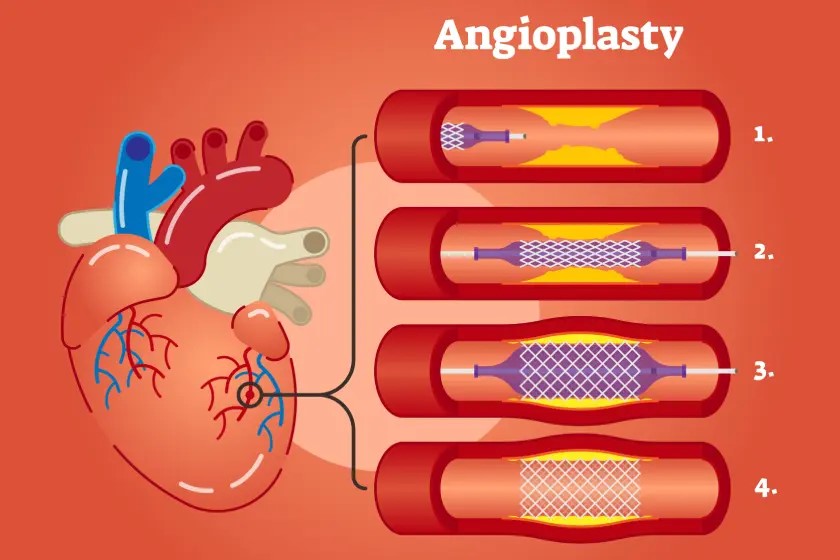
- Bypass surgery or angioplasty may be performed to restore blood flow in patients with PAD
- Amputation is a last resort when infection threatens life or limb
Prevention Strategies for Foot and Toe Ulcers
Preventing foot and toe ulcers is far easier than treating them. A few proactive steps can go a long way, especially for those living with diabetes.
1. Daily Foot Care Routine
- Inspect daily: Look for blisters, cuts, or color changes. Use a mirror or ask for help if needed.
- Wash and dry thoroughly: Especially between the toes.
- Moisturise: Keep skin soft but avoid putting lotion between the toes to prevent fungal infections.
- Trim nails carefully: Straight across to avoid ingrown toenails.
2. Proper Footwear and Pressure Management
- Wear shoes that fit well and don’t rub or pinch.
- Avoid walking barefoot, even indoors.
- Use diabetic socks and custom orthotics if needed.
- Rotate shoes to reduce pressure on the same areas every day.
3. Diabetes Control and Regular Checkups
- Keep blood sugar levels in your target range.
- Visit a foot care specialist regularly.
- Don’t ignore small issues, early care prevents major complications.
If you’re wondering how to treat ulcers on feet, the best answer is often: don’t let them happen in the first place. Prevention is powerful.
Why Choose Dr. Sumit Kapadia for Foot Ulcer Treatment?
- Managing a toe ulcer in diabetes requires more than just routine wound care, it demands deep expertise in vascular health and long-term diabetic foot management.
- Dr. Sumit Kapadia is a senior vascular and endovascular surgeon with over 16 years of experience. He has successfully treated more than 15,000 patients with vascular and diabetic foot conditions across Vadodara and South Gujarat. His practice combines advanced medical treatments with a patient-first approach.
- At Aadicura Superspeciality Hospital, Dr. Kapadia offers personalised care plans for each patient, using cutting-edge tools and techniques in wound healing and minimally invasive vascular procedures. He is widely recognised for his leadership in managing chronic ulcers, improving blood circulation through endovascular methods, and developing customised prevention plans for patients with recurring foot and toe ulcers.
- If you are dealing with a stubborn foot ulcer or are at risk due to diabetes or circulation issues, Dr. Kapadia’s care ensures you receive timely, effective, and compassionate treatment for long-term foot health.
Conclusion
Foot and toe ulcers aren’t just skin-deep, they’re a warning sign that something more serious may be going on, especially for people with diabetes or circulation problems. But with the right steps, you can treat them effectively and prevent them from coming back.
Whether you’re managing a current ulcer or trying to prevent one, remember:
- Early detection saves limbs.
- Proper care prevents complications.
- Expert support makes all the difference.
Don’t wait for a small sore to become a big problem. Know the symptoms, follow prevention tips, and consult a qualified specialist like Dr. Sumit Kapadia to stay on top of your foot health.
FAQs
Q: What is the best treatment for toe ulcers?
A: The best treatment includes cleaning the wound, debridement, appropriate dressings, antibiotics if needed, and offloading pressure from the area. In some cases, advanced therapies or surgery may be required.
Q: What causes ulcers on the toes?
A: Most commonly, poor circulation, nerve damage (neuropathy), injury, infection, or pressure from tight footwear, especially in people with diabetes.
Q: Are ulcers a symptom of diabetes?
A: Ulcers themselves aren’t a symptom, but they are a complication of diabetes due to poor circulation and nerve damage.
Q: Is it okay to walk on a foot ulcer?
A: Walking increases pressure and can worsen ulcers. Offloading (reducing pressure) is critical to healing, and your doctor may recommend special footwear or devices.
Q: Can foot ulcers be removed?
A: Ulcers aren’t “removed” but rather healed through wound care. In severe cases, surgical removal of damaged tissue or skin grafts may be needed to close the wound.
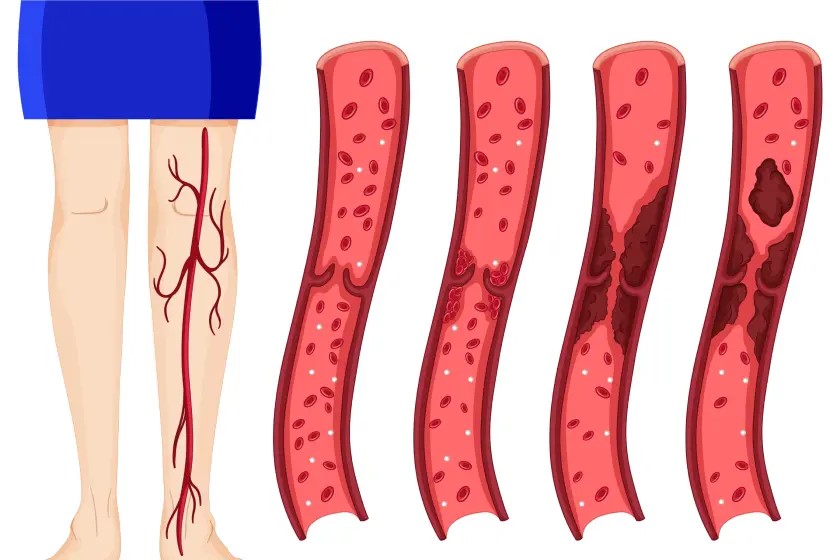



There are a very high number of patients in the world who suffer many kinds of foot problems and foot ulcer is one of them.
Diabetic foot pain is a disease which is caused by faulty or insufficient use of insulin infection by the patient.
The negligence of the patient which they did in their regular living lifestyle can also cause severe diabetic foot pain.If you did not notice your diabetic foot pain then it may cause nerve damage and lead to numbness in the feet.
Many surgical and non-surgical ways have been found to save guard you from diabetic foot ulcers but in the case of emergency diabetic foot pain treatment is the most effective and quick way to treat diabetic patients.
Some patients suffer from an extreme condition that reduces blood flow from the body to the legs and feet and non - surgical methods would not work.Some fruitful surgical and non-surgical options for diabetic foot pain treatment areDebridement: Debridement is one of the surgical ways of treating patients.
In this method, the doctor cleans out dead or infected skin and tissue from the foot wound.
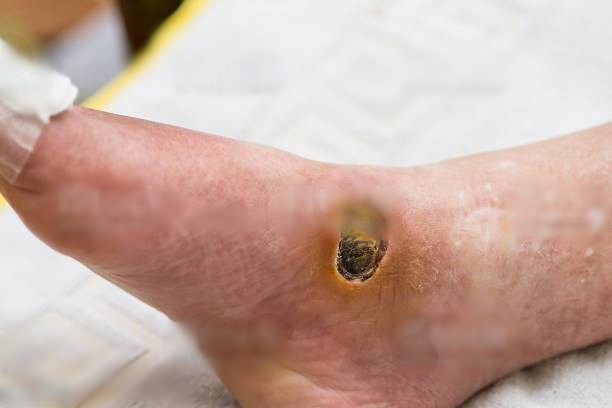
Diabetic Foot Ulcers are open wounds or sores usually found on the bottom of feet.
Common causes include fitting shoes, trauma, and long periods laying in bed.
Our agency provides the best treatment with the help of great Specialists.
Schedule your appointment with a top-tier Specialists at District Foot Ankle Center.
Get more details to visit our site.