When the kidneys can no longer filter waste and excess fluid from the blood, dialysis steps in as a life-saving process. For many living with chronic kidney disease (CKD), dialysis becomes a routine part of their kidney disease treatment plan. But what exactly is dialysis, when is it needed, and what can you expect from the treatment?
This guide explains the entire dialysis treatment process, the symptoms of kidney disease, and the realities of managing dialysis side effects, so you or your loved ones can make informed care decisions.
Understanding Kidney Function and Failure
Your kidneys filter about 50 gallons of blood every single day. They remove waste, regulate fluid levels, control blood pressure, and balance electrolytes. When these organs begin to fail, the body starts to accumulate toxins, leading to a wide range of complications.
When Is Dialysis Necessary?
Dialysis is recommended when kidney function drops below 10–15%. At this point, your body can no longer filter waste effectively on its own.
This typically happens in the later stages of chronic kidney disease. Key signs of kidney disease to watch out for include:
- Swelling in the legs or ankles
- Shortness of breath
- Nausea and vomiting
- Persistent fatigue
- Confusion or difficulty concentrating
- Changes in urination (frequency, colour, or pain)
If these symptoms of kidney disease are present, it’s time to get evaluated by a kidney care specialist.
Symptoms of Kidney Disease
Kidney disease is often called a “silent disease” because symptoms don’t always appear early on. However, there are warning signs that should never be ignored.
Early Warning Signs
- Puffy face, especially in the morning
- Foamy urine (indicating protein leakage)
- Muscle cramps
- Poor appetite
Progression of Kidney Disease
As kidney function worsens, the body shows more pronounced symptoms. This includes:
- Severe fatigue
- Irregular heartbeat
- Difficulty breathing
- Persistent itching
- Anaemia
These are all side effects of kidney disease that signal urgent need for medical intervention. Early diagnosis can help delay or even prevent the need for dialysis.
Dialysis Treatment Process
What Is Dialysis, and How Does It Work?
Dialysis is a medical treatment that performs the essential functions of the kidneys, removing waste, toxins, and excess fluid from the blood. It helps maintain the body’s balance of fluids, electrolytes, and minerals.
Types of Dialysis
There are two main types:
1. Haemodialysis
- Blood is filtered outside the body using a machine.
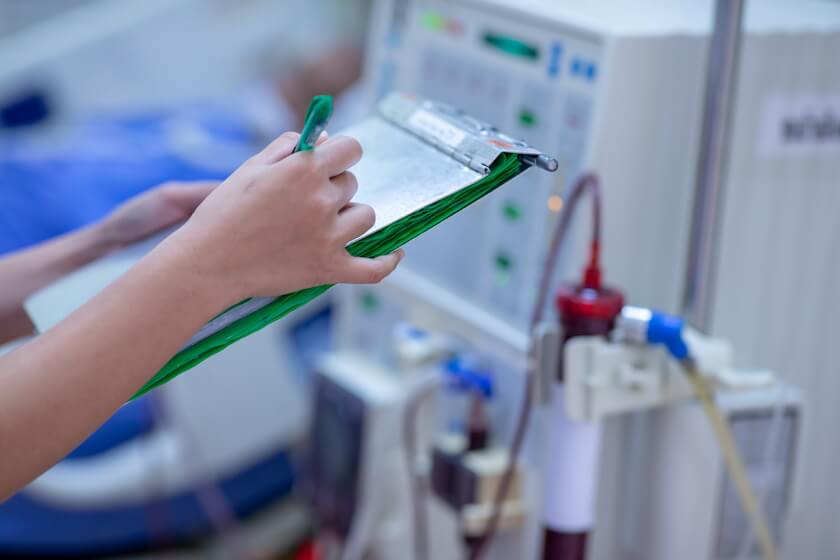
- A dialysis machine pumps blood through a filter (dialyser), which removes waste and returns clean blood to the body.
- Performed in hospitals, clinics, or at home (in some cases).
2. Peritoneal Dialysis
- Uses the lining of the abdomen (peritoneum) to filter blood internally.
- A special fluid is introduced into the abdomen through a catheter, absorbs waste, and is later drained.
- Often done at home and more flexible in schedule.
Preparing for Dialysis
Before starting haemodialysis, a patient undergoes dialysis fistula surgery to create vascular access. This step is essential for long-term treatment and must be done a few weeks before dialysis begins to allow proper healing.
Dialysis Fistula Surgery: What You Need to Know
Why Vascular Access Matters
For haemodialysis to be effective, blood must flow quickly and reliably between your body and the dialysis machine. That’s why fistula dialysis surgery is the gold standard for vascular access.
How Is Fistula Dialysis Surgery Performed?
During the procedure, a vascular surgeon connects an artery to a vein in the arm. This creates a strong, enlarged blood vessel called a fistula, which can handle repeated needle insertions and provide good blood flow.
A well-functioning fistula:
- Reduces the risk of infections
- Lasts longer than other types of access (like grafts or catheters)
- Improves the efficiency of dialysis treatments
Recovery and Post-surgery Care
After fistula surgery, the area needs time to mature, typically 4 to 6 weeks. Patients are advised to:
- Avoid lifting heavy objects with the affected arm
- Keep the site clean and dry
- Report any signs of swelling, redness, or unusual pain
Regular check-ups ensure the fistula remains open and functional.
Side Effects of Dialysis
Dialysis is a life-saving treatment, but like any medical intervention, it comes with side effects. Understanding them can help you better manage the experience.
Common Side Effects
- Fatigue: Feeling drained after treatment is common due to the removal of fluids and waste.
- Muscle Cramps: Sudden cramps during or after dialysis may be related to fluid shifts.
- Low Blood Pressure: Rapid fluid removal can cause dizziness or fainting.
- Itching: A build-up of phosphorus in the body can lead to itchy skin.
- Sleep Disturbances: Many dialysis patients report insomnia or restless leg syndrome.
These are typical side effects of chronic kidney disease and its treatments. They vary by patient and are usually manageable with proper support.
Long-term Impact and How to Manage Dialysis Side Effects
Over time, some patients may also experience:
- Bone disease (due to calcium and phosphorus imbalances)
- Heart issues
- Emotional stress or depression
Managing dialysis side effects involves:
- Working closely with your nephrologist and vascular surgeon
- Following a dialysis-friendly diet (low in sodium, potassium, and phosphorus)
- Staying active within your limits
- Getting psychological support if needed
With the right care, many patients continue to live full, meaningful lives.
Choosing the Right Kidney Care Specialist
Dialysis isn’t just a procedure, it’s a commitment to long-term kidney disease treatment. Choosing the right expert to guide you through that journey makes all the difference.
Why Consult Dr. Sumit Kapadia?
Dr Sumit Kapadia is a senior vascular and endovascular surgeon known for his advanced treatment of dialysis access issues, including fistula dialysis surgery. With over 16 years of experience and thousands of vascular procedures performed, he is a trusted name in kidney disease treatment.
Patients under Dr Kapadia’s care benefit from customised vascular access planning, precision surgical techniques to ensure long-lasting fistulas, ongoing monitoring and repair of existing fistulas or grafts, and collaborative care with nephrologists to ensure better outcomes.
Whether you’re starting dialysis or facing complications with your current access, Dr Kapadia provides skilled, compassionate care tailored to your specific needs.
Conclusion
Dialysis is a critical component of kidney disease treatment, especially when kidney function is severely impaired. While the process comes with its own challenges, understanding how it works, preparing properly, and managing dialysis side effects can greatly improve quality of life.
From early symptoms of kidney disease to advanced surgical procedures like dialysis fistula surgery, timely intervention matters. Working with experienced specialists like Dr Sumit Kapadia ensures that your care is not only effective, but also centred around your comfort, safety, and long-term well-being.
FAQs
What are the side effects of dialysis?
Common side effects include fatigue, low blood pressure, muscle cramps, and itching. Long-term use may lead to bone disease or heart problems, but these can often be managed with supportive care.
What is the procedure for dialysis?
In haemodialysis, blood is drawn from the body, filtered through a dialyser machine, and returned. This process typically takes 3–4 hours, several times a week. In peritoneal dialysis, the abdomen is used to filter waste internally.
Is dialysis a good option?
Yes, dialysis is often a life-extending treatment when the kidneys fail. It helps patients maintain a stable condition and manage the effects of kidney failure.
Is dialysis a very painful procedure?
The procedure itself is not painful, but some discomfort may occur with needle insertion or fluid shifts. Most patients adjust over time and experience minimal pain.
Can kidneys fully recover after dialysis?
In some acute cases, kidney function may return, allowing patients to stop dialysis. However, for chronic kidney failure, dialysis is usually ongoing unless a kidney transplant is possible.