

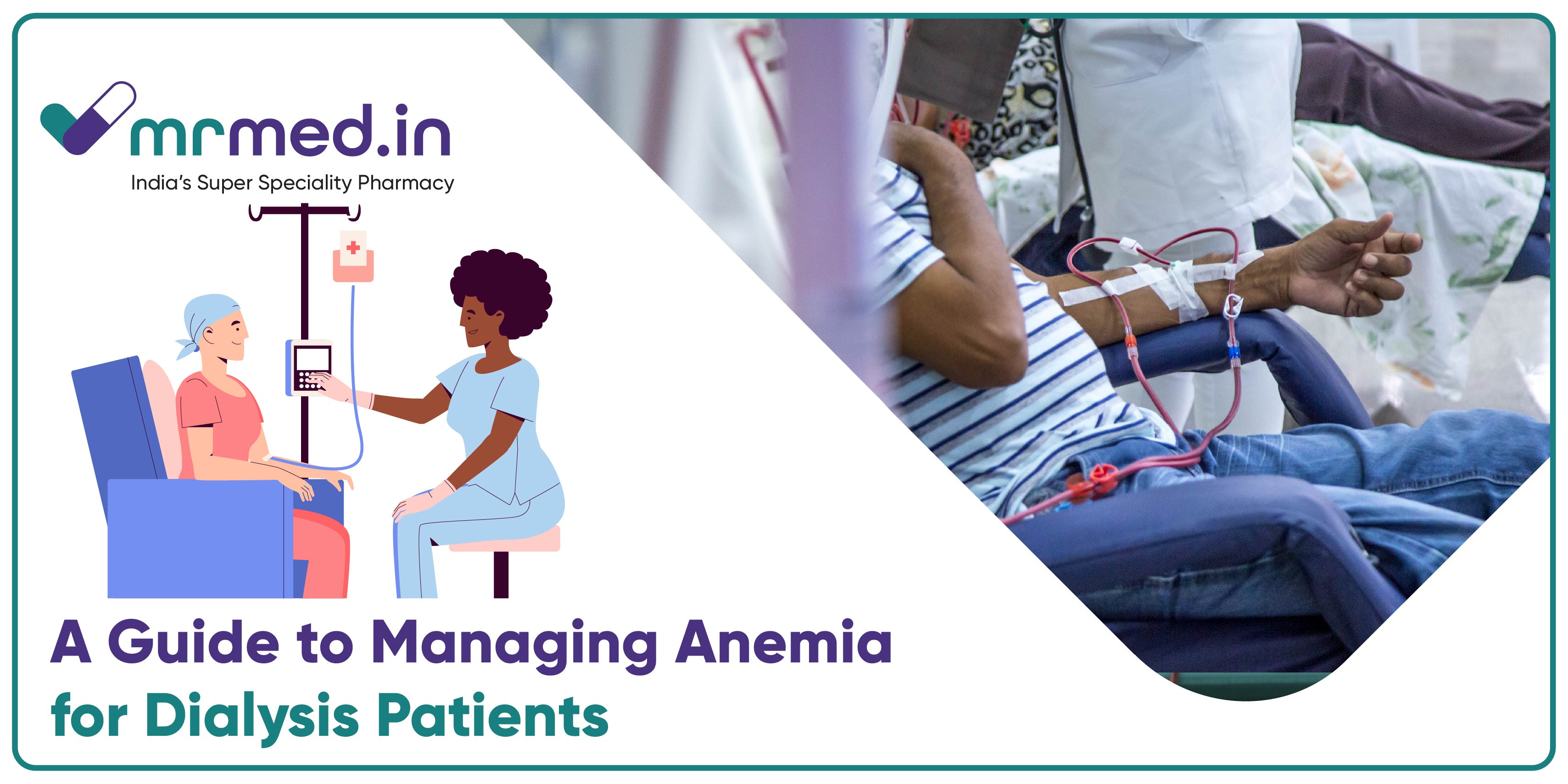
Feeling tired, weak, or dizzy every day despite dialysis? You might be facing something more - anaemia. It’s one of the most common and exhausting complications for people with kidney disease. If left unchecked, it can sap your strength and energy, affecting your quality of life. The good news? There are proven ways to manage and treat anaemia during dialysis. Here’s how.
What causes anaemia in dialysis patients?
Anaemia in dialysis patients usually develops due to a lack of erythropoietin, a hormone produced by healthy kidneys. This hormone signals your body to make red blood cells. When kidneys fail, this process slows down drastically.
Dialysis itself doesn’t fix this. In fact, it can contribute to anaemia by causing small blood losses during treatment. Nutritional gaps, inflammation, and iron deficiency make things worse. Together, they create the perfect storm for anaemia.
What are the signs of anaemia you shouldn’t ignore?
Symptoms can sneak up slowly, so it’s easy to overlook them. Be on the lookout for these signs of iron deficiency:
Unusual tiredness
Pale skin
Dizziness or lightheadedness
Shortness of breath
Chest pain during activity
Cold hands and feet
If you notice any of these regularly, bring it up with your nephrologist. Early detection makes treatment much easier.
How is anaemia diagnosed during dialysis?
Doctors usually detect anaemia through a simple blood test measuring haemoglobin levels. Normal levels vary, but for dialysis patients, they often fall below the healthy range. Your doctor might also test your iron stores, vitamin B12, and folic acid levels.
Other factors like inflammation and infection are also checked, as they can impact blood production. This helps tailor the treatment precisely to your needs.
What are the treatment options available?
Treating anaemia in dialysis patients typically involves a few strategies combined. The goal is to boost red blood cell production and maintain healthy iron levels.
Iron Therapy
Your doctor may recommend intravenous iron supplements. These are more effective than pills, especially if you're already on dialysis. For example, Iron Sucrose is often used to restore iron levels quickly and safely.
Erythropoiesis-Stimulating Agents (ESAs)
Medicines like Darbepoetin Alfa help your body produce more red blood cells. These are usually given through injections during your dialysis sessions. A typical dose might include dargen 25 mcg, depending on your haemoglobin levels.
These treatments work better together; iron supplements support the function of ESAs, making them more effective.
Can diet help improve anaemia in kidney patients?
Absolutely. Your diet can make a noticeable difference. Although food alone won’t reverse anaemia, the right nutrients help support your treatment plan. A balanced kidney disease diet includes:
Iron-rich foods like lean red meat (in moderation), leafy greens, and beans
Foods high in folic acid, such as broccoli and lentils
Vitamin B12 from eggs, dairy, and fortified cereals
It’s essential to work with a renal dietitian. They’ll help you choose foods that won’t overload your system with potassium or phosphorus, minerals often restricted in kidney diets.
How often should iron levels be monitored?
Monitoring iron and haemoglobin levels is a crucial part of managing anaemia. Most dialysis centres check these every one to three months. If you’re just starting treatment or experiencing symptoms, checks may happen more frequently.
Regular monitoring helps adjust dosages and ensures you’re getting the maximum benefit from your medications.
Are there ways to prevent anaemia in dialysis patients?
Yes, prevention is always better than a cure. Here’s what you can do:
Attend all your dialysis sessions
Stick to your prescribed medicines.
Eat a nutrient-rich diet.
Speak up about new or worsening symptoms.
Get your iron and haemoglobin levels checked regularly
These small steps can make a big difference in the prevention of chronic kidney disease complications like anaemia.
Is iron deficiency the only cause of anaemia?
No. While iron deficiency is the most common cause, it’s not the only one. Other causes include inflammation, vitamin deficiencies, and blood loss. That’s why identifying the exact cause is key before starting any treatment.
Some patients might even have normal iron levels but still feel anaemic. In these cases, your doctor will dig deeper to find out what’s really going on.
What can help patients feel better faster?
Timely treatment and lifestyle changes can help a lot. Medications like orofer s injection can restore iron quickly, improving energy levels. But it’s not just about medicines. Good sleep, gentle exercise, and staying hydrated also matter.
Even small changes like adjusting your diet or taking your meds on time can improve how you feel day-to-day.
Final thoughts
Anaemia can be tough, especially when you’re already dealing with dialysis. But it’s manageable with the right support and care. From monitoring symptoms to working closely with your healthcare team, every effort counts. Don’t ignore the signs. Speak up, take action, and give your body what it needs to thrive, even with kidney disease.