

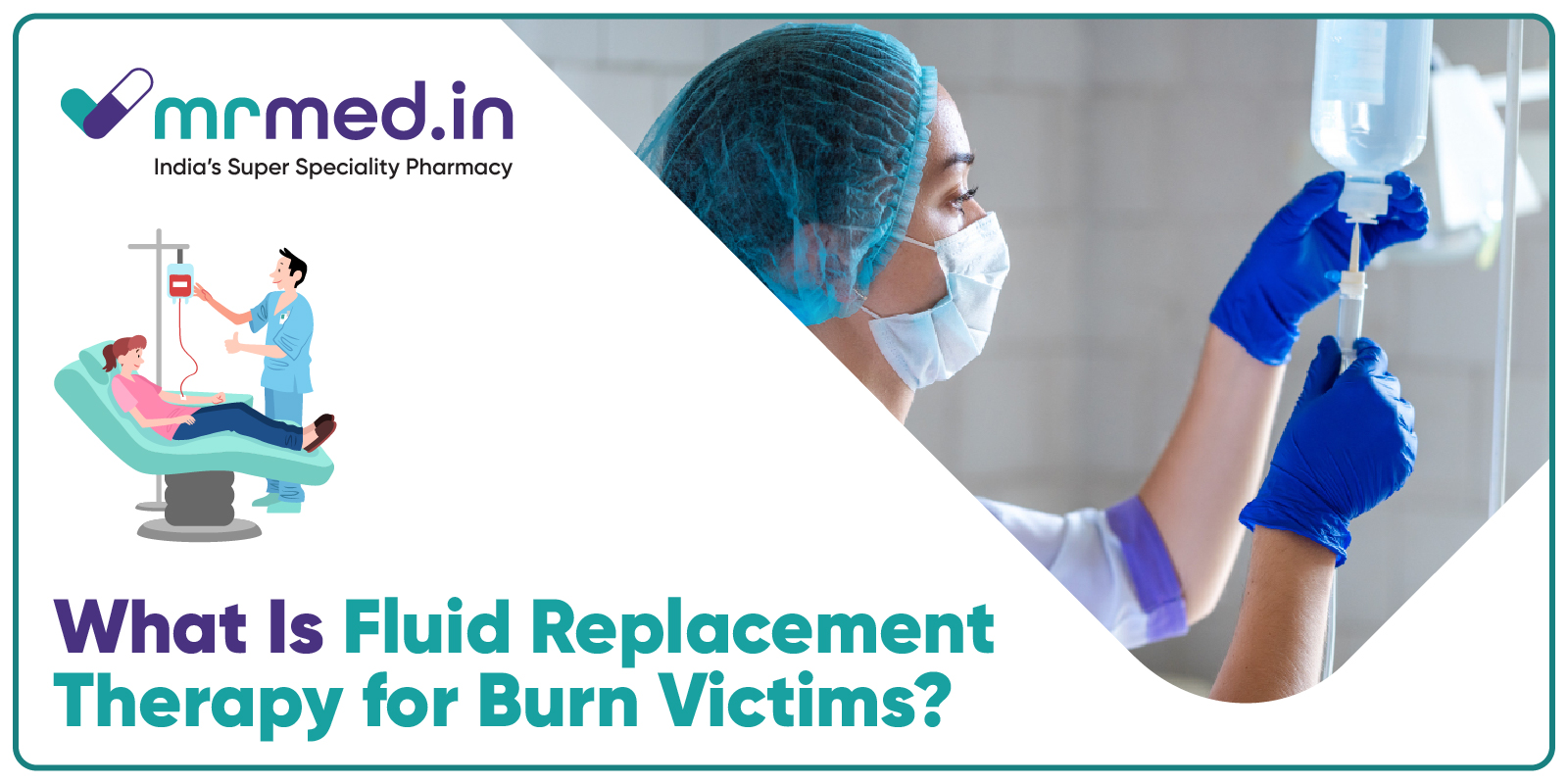
When someone experiences a severe burn, the damage goes far beyond what’s visible on the skin. Burns don’t just hurt, they rob the body of its most essential element: fluid. Within minutes, the body begins to lose large amounts of water and electrolytes through damaged tissues, leading to dehydration and even shock. That’s why fluid replacement therapy is one of the first and most critical steps doctors take after a major burn injury.
This process might sound complicated, but it’s essentially about helping the body regain what it’s lost, the right balance of fluids and proteins, so it can begin healing properly.
Why Burns Cause Fluid Loss
Our skin acts as a barrier that locks in moisture and protects us from the outside world. When that barrier is damaged by burns, it starts leaking fluid, protein, and electrolytes. In severe cases, this loss can reach dangerous levels within hours.
The result? The blood thickens, circulation slows, and vital organs like the kidneys and heart struggle to function. If not treated quickly, this imbalance can cause burn shock, a life-threatening condition.
That’s where fluid replacement therapy steps in to restore hydration, maintain circulation, and stabilise the patient.
How Doctors Decide What the Body Needs
Fluid replacement isn’t a one-size-fits-all approach. Doctors use formulas like the Parkland formula to calculate how much fluid a burn patient needs based on factors like:
- The percentage of body surface burned
- The patient’s weight
- The type and depth of burn
Typically, doctors start with intravenous (IV) fluids, such as Ringer’s lactate, during the first 24 hours. These fluids restore the volume lost and help prevent shock.
But there’s more to recovery than water alone the body also needs proteins, especially albumin, to maintain fluid balance inside the blood vessels.
The Role of Human Albumin in Burn Recovery
Albumin is a natural protein found in the blood. Its main job is to keep fluid inside the bloodstream and prevent it from leaking into surrounding tissues. When someone suffers major burns, albumin levels drop drastically.
Low albumin levels mean the body can’t hold onto its fluids, leading to swelling (edema), poor wound healing, and low blood pressure. To correct this, doctors often use Human Albumin infusions as part of the therapy.
Human Albumin works by drawing fluid back into the bloodstream from tissues, helping restore circulation and maintain blood pressure. It also supports tissue repair by ensuring that vital organs receive enough oxygen and nutrients.
Step-by-Step: How Fluid Replacement Therapy Works
Here’s what typically happens when a burn patient is admitted:
Initial Assessment
Doctors quickly check the burn size, depth, and the patient’s overall condition.
IV Fluid Administration
Within the first few hours, IV fluids are started using a controlled formula to prevent dehydration and maintain stable blood pressure.
Monitoring Urine Output and Vital Signs
Continuous monitoring ensures the body is responding properly. If urine output is too low, doctors may adjust the fluid rate.
Albumin Supplementation (After 24–48 hours)
Once the initial fluid stabilisation phase is complete, Human Albumin may be introduced. This helps restore protein levels and prevent fluid overload in tissues.
Nutritional and Electrolyte Support
As healing progresses, patients also receive electrolyte solutions, vitamins, and adequate nutrition to support recovery.
Medical Use of Albumin-Based Solutions
In many burn cases, doctors prefer concentrated albumin solutions when plasma protein loss is significant. This is where treatments like Flexbumin come in. It’s a sterile solution containing purified Human Albumin used to restore and maintain blood volume in patients who’ve lost a lot of fluid due to burns, surgery, or trauma.
The Flexbumin 20% Injection 100ml uses for burns, but also in cases of low blood protein levels, shock, or severe dehydration. However, in burn therapy, its role is crucial because it helps prevent complications caused by excessive fluid leakage and swelling.
Doctors typically administer it through a slow IV infusion under strict medical supervision. The dose depends on how much fluid and protein the patient has lost, along with their kidney and heart function.
Why Timing and Precision Matter
In burn treatment, timing can make all the difference. Administering too little fluid can cause dehydration and shock, while too much can lead to lung and tissue swelling. That’s why every drop is carefully measured and monitored.
Once Human Albumin or similar solutions are introduced, the body begins to rebalance, swelling reduces, blood flow improves, and healing speeds up.
This delicate balance between hydration, electrolytes, and protein is what helps doctors bring the body back to stability.
Recovery and Beyond
Fluid replacement therapy is just the beginning of a long recovery journey. After the initial days, doctors shift their focus to wound care, infection prevention, and rehabilitation. Proper nutrition, physiotherapy, and psychological support also play key roles in helping patients regain strength and confidence.
Maintaining healthy protein levels during recovery is essential. It ensures that skin grafts take well, wounds heal faster, and the immune system stays strong.
Safety and Monitoring
Treatments involving Human Albumin or albumin-based injections are generally safe when administered by healthcare professionals. However, like any medical therapy, they can have side effects such as mild fever, allergic reactions, or fluid overload in rare cases.
That’s why close medical monitoring is necessary to ensure the therapy benefits the patient without causing additional stress on the heart or kidneys.
Key Takeaways
Severe burns are among the most complex medical emergencies, but with the right fluid replacement therapy, recovery becomes possible. By restoring lost fluids, electrolytes, and essential proteins like albumin, doctors help the body regain balance and begin healing from within.
Whether it’s through IV fluids or specialised products, every part of the treatment plays a vital role in saving lives and rebuilding strength after severe skin damage.