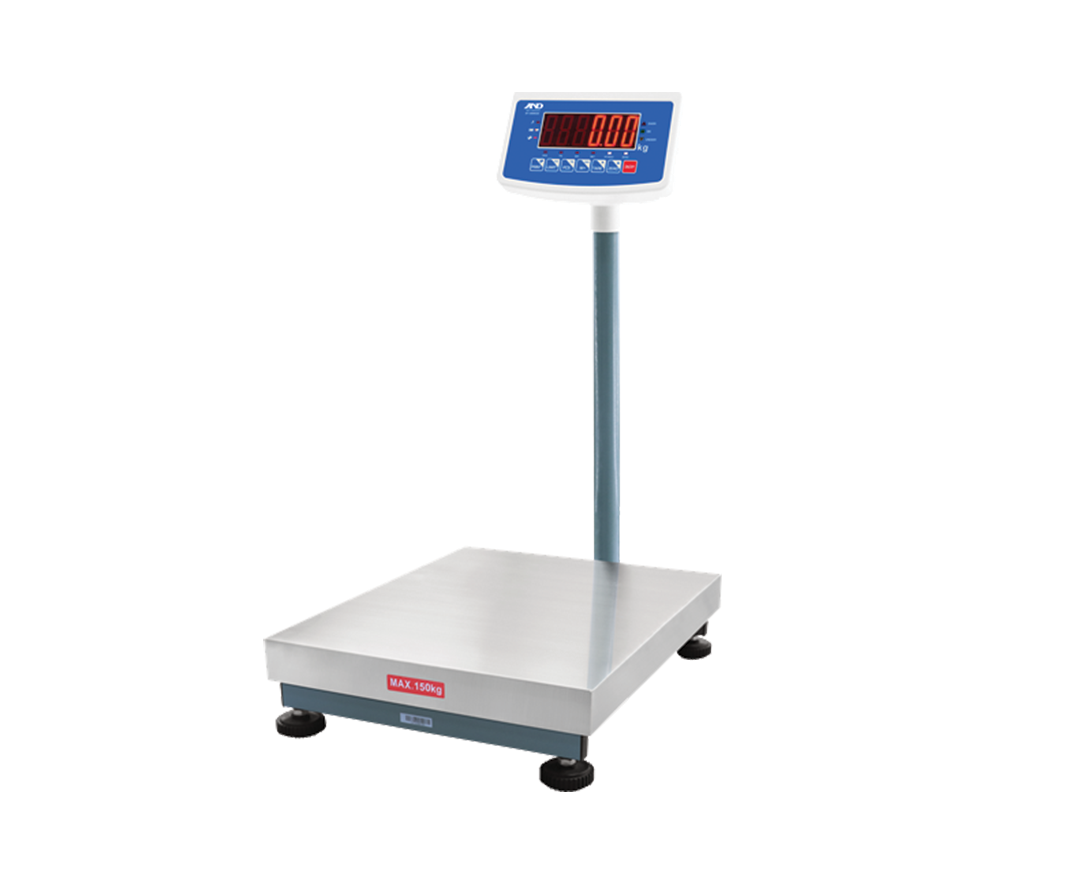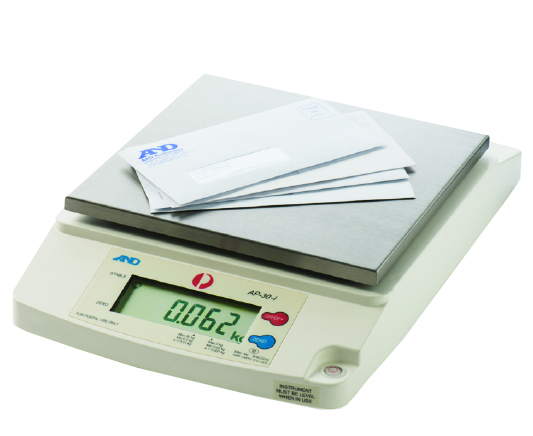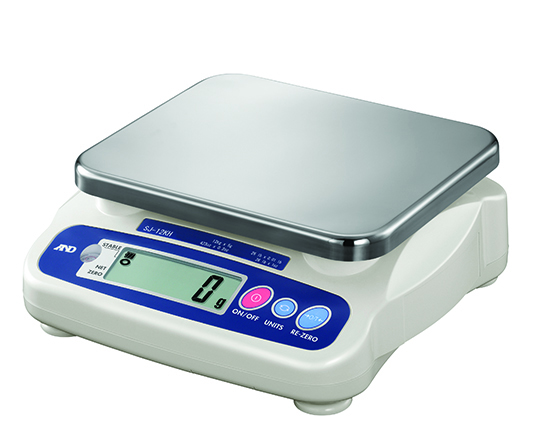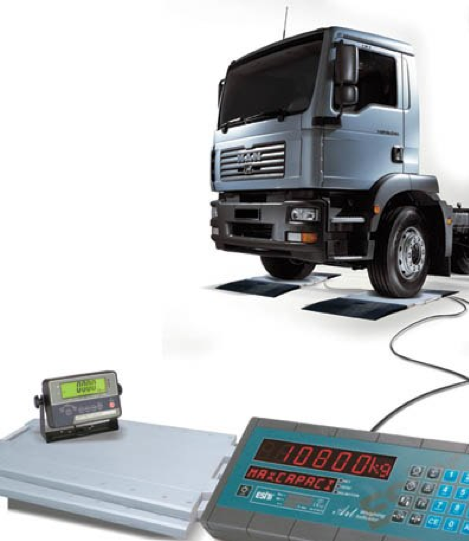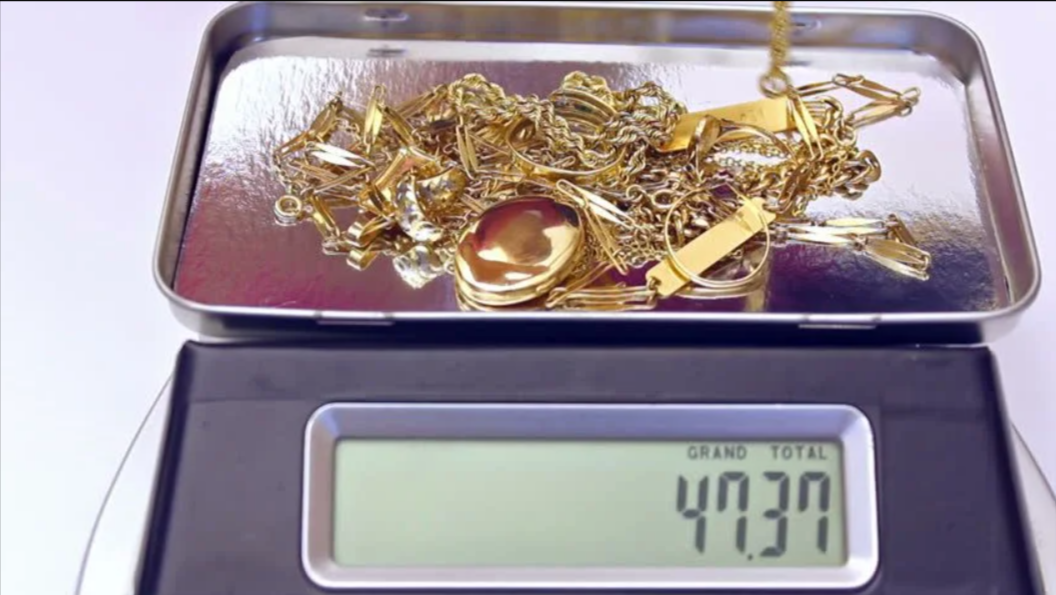
Whether you’re a jeweller, gold trader, pawn shop operator, or precious metals dealer, owning and using a gold scale isn’t just about accuracy—it’s also about legal compliance. In a heavily regulated industry where even small weight discrepancies can mean significant financial implications, ensuring your gold scales meet legal requirements is vital. From trade regulations to calibration standards, this guide will walk you through what you need to know about staying compliant when using gold scales.
Why Legal Compliance Matters in Gold Weighing
Gold is a high-value commodity, and even a tiny variation in weight can translate into hundreds or thousands of dollars. For this reason, governments and regulatory bodies enforce strict standards for weighing equipment used in commercial transactions involving precious metals.
Non-compliance doesn’t just risk penalties or fines—it can also damage your business’s credibility, invite customer disputes, and potentially lead to legal action. Compliance ensures transparency, fairness, and accuracy in all gold-related transactions.
Understanding Trade-Approved Gold Scales
A gold scale used in any transaction where the weight of gold determines the price must be trade-approved. This means it complies with local legal metrology laws and is certified by a national regulatory body.
In Australia
The National Measurement Institute (NMI) oversees legal metrology. Any scale used for trading precious metals must be:
- NMI trade-approved
- Verified and stamped by a licensed certifier
- Used within the certified capacity and class
Failing to use a trade-approved scale for gold transactions is illegal under Australian law.
Other Regions
- In the UK, the relevant body is the National Measurement and Regulation Office (NMRO).
- In the US, NIST Handbook 44 provides guidance on legal-for-trade scales, with enforcement by Weights and Measures departments.
Regardless of your country, always check with your local regulatory authority for precise legal standards.
Key Features of a Legal-for-Trade Gold Scale
Not all gold scales are created equal. If you intend to use a scale for commercial purposes, ensure it has the following attributes:
1. Trade Approval Marking
Look for certification marks such as “NMI Approved” in Australia or “Legal for Trade” in the US. These indicate the scale has passed stringent testing.
2. Precision and Readability
Gold is typically measured in grams or carats, often down to 0.01g or even finer. Ensure the scale offers sufficient precision for your use while still being within the legal readability requirement.
3. Tamper-Proof Calibration
Trade-approved gold scales are designed so users cannot easily alter calibration settings, preventing fraudulent weight manipulation.
4. Verification Seal
Legal-for-trade scales will usually have a seal or sticker showing the date of verification and the certifier’s ID. This ensures accountability.
Calibration and Verification: What’s the Difference?
These terms are often used interchangeably but have distinct meanings in legal compliance:
Calibration
This is the process of comparing a scale’s readings with a known standard to ensure accuracy. Calibration may be done in-house or by a technician.
Verification
Verification is a legal process conducted by an authorised certifier to confirm the scale meets all trade requirements. Once verified, the scale is legally allowed to be used in commercial transactions involving precious metals.
In many jurisdictions, only verified scales can legally be used for trade purposes. Verification must also be renewed periodically, depending on regulations and usage.
How Often Should Gold Scales Be Calibrated or Verified?
The frequency depends on:
- Usage volume: High-use scales wear down faster.
- Regulatory requirements: In Australia, verification is typically required annually or when the scale is repaired or moved.
- Environmental conditions: Dust, temperature, and humidity can affect scale accuracy.
To stay compliant, establish a regular maintenance and verification schedule—and document everything.
Legal Considerations for Businesses Selling Gold
If your business involves buying or selling gold, here’s what you must keep in mind:
1. Use Trade-Approved Scales for Transactions
This is non-negotiable. If caught using a non-approved scale, you may face legal penalties or be ordered to halt operations until compliance is met.
2. Provide Clear Weight and Price Information
Customers have a right to understand how much their gold weighs and what price is being offered. Your scale should have a clear display, and transaction records should match the weight shown.
3. Maintain Verification Records
Keep records of your scale’s verification and calibration. In case of inspection by regulatory authorities, these documents will prove your compliance.
4. Ensure Staff Are Trained
Employees handling scales must be trained to use them correctly and to identify any signs of inaccuracy. Mishandling or ignorance is not a valid excuse for non-compliance.
Penalties for Non-Compliance
Penalties vary by country and jurisdiction but may include:
· Hefty fines
· Confiscation of equipment
· Suspension of trading licenses
· Legal action from consumers
In Australia, the NMI can impose infringement notices or take legal proceedings, particularly if a business is found to be intentionally misleading customers through inaccurate measurements.
Tips for Buying a Legal Gold Scale
When purchasing a gold scale for your business, consider the following tips to stay compliant:
- Buy from a Reputable Supplier Choose a seller that specialises in trade-approved scales and understands legal metrology.
- Check for Certifications Make sure the scale has the required legal-for-trade approvals for your region.
- Request Verification at Purchase Ask the supplier to verify and stamp the scale before delivery.
- Consider Future Needs Will you need to weigh other precious metals or different forms of gold (scrap, jewellery, bullion)? Choose a scale that offers flexibility within its approved use.
- Factor in Ongoing Costs Include verification, calibration, and potential service fees in your budget. Compliance is an ongoing responsibility.
Final Thoughts
Legal compliance is not optional when it comes to gold scales—it’s a fundamental part of building trust, maintaining integrity, and avoiding legal troubles in your business. While investing in a trade-approved scale may seem like an added expense, it’s a necessary safeguard that ensures your business operates within the law and protects both you and your customers.
Understanding your local regulations, purchasing the right scale, and maintaining proper calibration and verification records are the key steps to ensuring your gold weighing practices meet legal standards.