


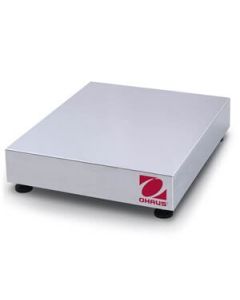
In today’s fast-paced supply chain environment, efficiency,
accuracy, and accountability are non-negotiable. Whether you're running a distribution center, a retail supply hub, or a manufacturing warehouse, every kilo and every second counts. One often-overlooked yet essential tool in this equation is the commercial scale.
More than just a weighing device, commercial scales play a pivotal role in streamlining logistics, enhancing inventory accuracy, and improving overall warehouse productivity.
What Are Commercial Scales?
Commercial scales are high-capacity weighing systems designed for industrial or business use. Unlike consumer-grade scales, these are built to handle frequent use, larger loads, and integration into broader logistics and inventory systems. In warehouses, they are commonly used for:
Weighing inbound and outbound shipments
Verifying inventory
Managing load weights on pallets and forklifts
Integrating with warehouse management systems (WMS) for real-time tracking
From pallet scales and floor scales to counting scales and weighbridges, these tools ensure that logistics run smoothly and inventory data remains accurate.
The Role of Commercial Scales in Warehouse Logistics
1. Accurate Shipment Verification
One of the most crucial uses of commercial scales in warehouses is verifying the weight of incoming and outgoing shipments. Overweight or underweight shipments can lead to:
Delays in transportation
Additional freight charges
Regulatory compliance issues
Discrepancies in billing
By weighing goods before they are shipped or received, warehouses can confirm that the actual weight matches what’s recorded on invoices and bills of lading. This protects businesses from financial loss and strengthens their credibility with logistics partners.
2. Improved Inventory Management
Warehouse operators often face challenges like overstocking, understocking, or mismatched stock counts. Commercial scales—particularly counting scales—help overcome these problems by providing accurate measurements of inventory items, especially small parts and bulk goods.
With a scale that counts individual pieces based on weight, businesses can:
Reduce manual counting time
Eliminate human error
Keep inventory records consistently up to date
Many advanced models can also connect directly to inventory software for real-time updates—a major step toward automation and digitisation of warehouse management.
3. Enhanced Load Planning and Space Optimization
Proper load distribution is key to warehouse safety and efficiency. Overloaded pallets or racks can cause accidents and damage goods. Using pallet scales or floor scales, warehouse staff can ensure that:
Pallets are evenly loaded and within safe weight limits
Storage areas are optimized by weight
Transport trucks carry loads within legal limits
This data helps logistics managers make informed decisions on how to stack, store, and transport goods efficiently.
4. Streamlining Pick, Pack, and Ship Processes
Modern warehouses need to process orders quickly and accurately. Commercial scales assist in this by:
Ensuring that the correct amount of product is picked
Verifying that the packed order meets customer requirements
Weighing parcels before dispatch to calculate shipping costs accurately
With barcode scanners and printers often integrated into digital commercial scales, the entire pick-pack-ship process becomes faster and more accurate, reducing order errors and returns.
Types of Commercial Scales Used in Warehouses
Choosing the right commercial scale depends on your specific warehouse operations. Here are the most common types:
1. Floor Scales
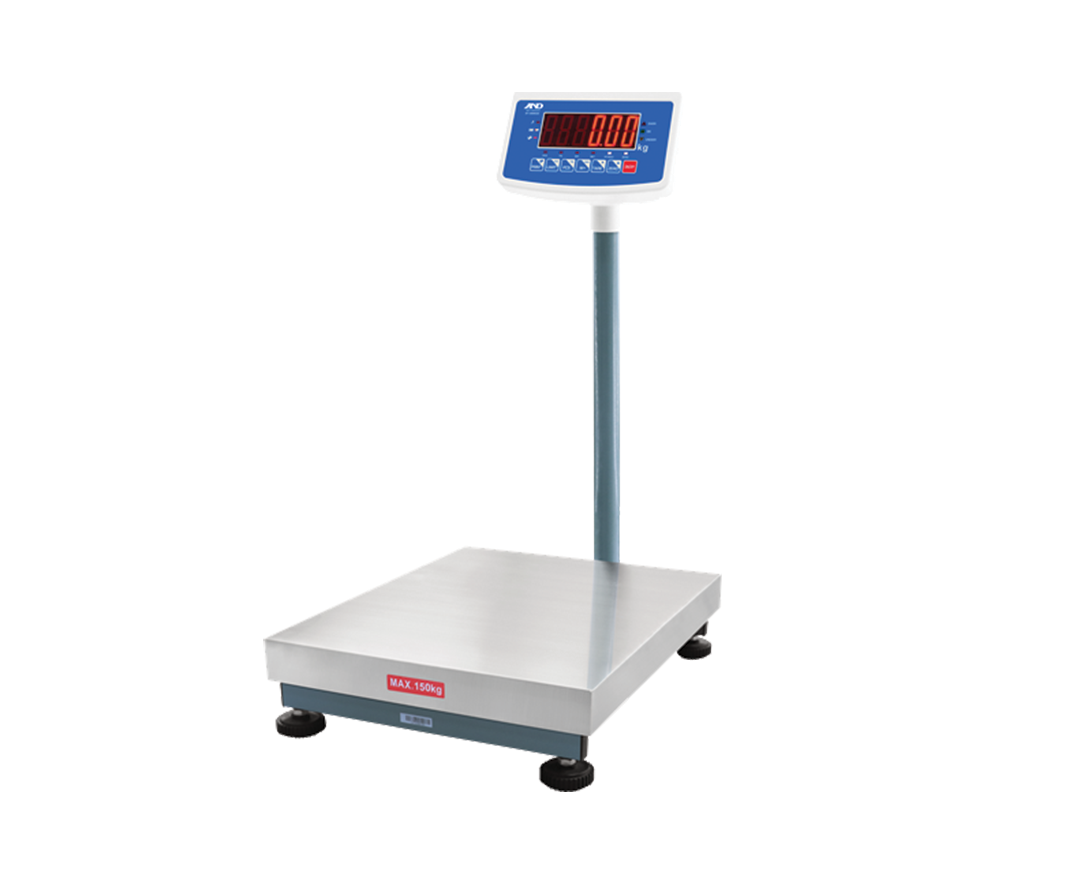
Heavy-duty and used for weighing large items and pallets
Typically installed flush with the warehouse floor
Can handle up to several tonnes
2. Pallet Scales
Specifically designed for weighing palletised goods
Often mobile, allowing operators to move them around the facility
Ideal for shipping and receiving areas
3. Counting Scales
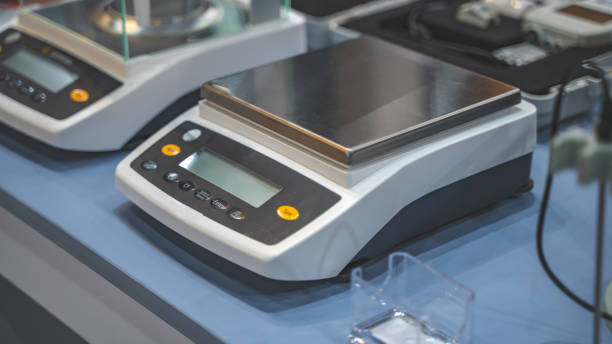
Useful for small parts, electronics, or hardware
Calculates quantity based on the average unit weight
Reduces manual labor and improves counting precision
4. Bench Scales
Smaller than floor scales, used for medium-sized items
Common in packing and quality control stations
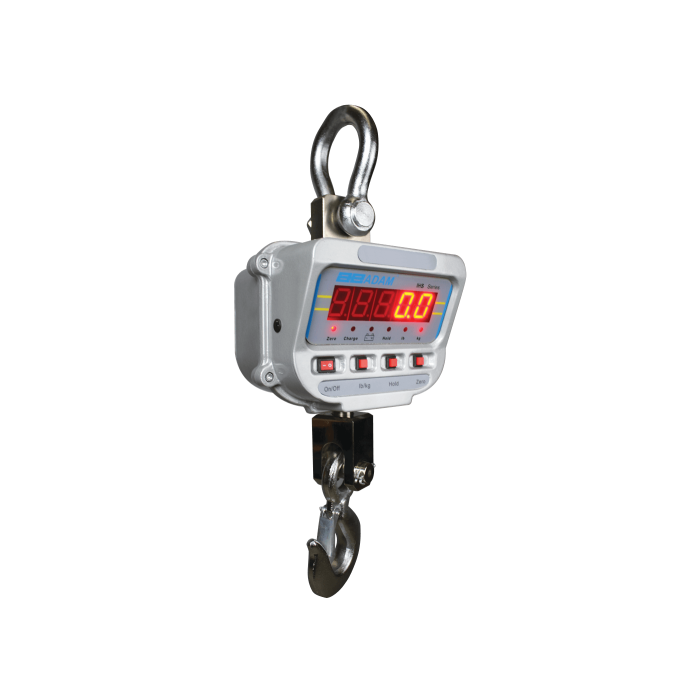
5. Hanging Scales or Crane Scales
Ideal for weighing suspended loads, such as barrels or oversized objects
Common in warehouses dealing with construction materials or scrap metal
6. Weighbridges
Full-sized vehicle scales
Used in facilities where truckload weighing is necessary for compliance and billing
Integration with Warehouse Management Systems (WMS)
The true power of commercial scales is unlocked when they are integrated with warehouse management systems and enterprise resource planning (ERP) platforms. This connectivity allows:
Real-time data capture and reporting
Automatic updating of inventory levels
Seamless order processing and dispatch
Easy compliance with auditing and documentation requirements
With digital integration, warehouse operators can automate tasks that were previously manual, reducing paperwork and labor costs while improving accuracy.
Key Benefits of Using Commercial Scales in Warehouses
Efficiency: Faster processing of goods, from receiving to shipping
Accuracy: Precise weight and count data prevent billing disputes and stock discrepancies
Cost Savings: Reduces overpacking, freight penalties, and inventory losses
Compliance: Helps meet safety and transport regulations
Customer Satisfaction: Ensures orders are correct, reducing returns and enhancing trust
How to Choose the Right Commercial Scale
When investing in commercial scales for your warehouse, consider the following:
Capacity and Accuracy: Choose a scale that matches the weight range and precision you need
Size and Portability: Ensure the scale fits your workspace and can be moved if necessary
Durability: Look for models built to withstand industrial environments
Connectivity: Ensure compatibility with your current WMS or ERP
Ease of Use: Select user-friendly models to reduce training time for staff
Also, consider whether you need additional features like label printing, barcode scanning, or wireless data transmission, especially if your operations are highly automated.
Conclusion
Commercial scales are an indispensable part of modern warehouse operations. By offering fast, reliable, and precise weighing capabilities, they enable better logistics, improved inventory control, and enhanced efficiency across the board. Whether you're shipping goods across the country or managing small parts in bulk, the right commercial scale can make all the difference in keeping your warehouse lean, safe, and productive.
For businesses aiming to stay competitive and meet customer expectations in the era of rapid fulfilment and smart warehousing, investing in quality commercial scales is not just a good idea—it’s essential.
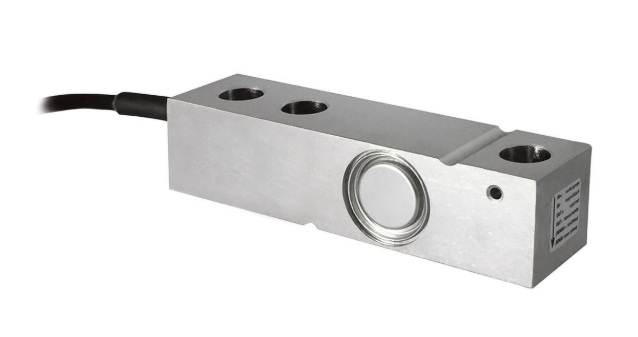
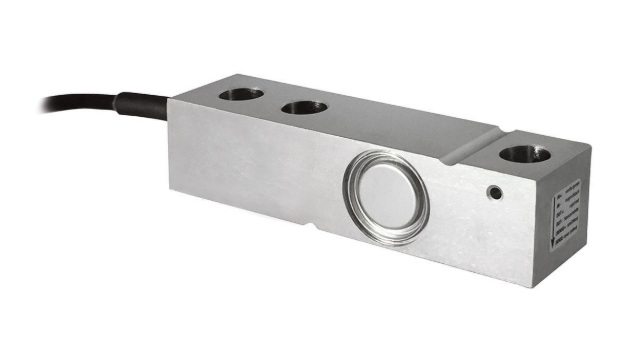
http://www.technomond.in/milk-weighing-scale-system.html - Our Electronic Milk Weighing Scale System Manufacturers has sent a wave across the market.
UP, Delhi, we are counted among the Milk Weighing Scale System Suppliers in India.Industries require special type of scales based on the ambience of weighing, type of weighing to facilitate the ease of handling of weighing material and increase the speed of weighing.
Contech has wide range of special scales like Flameproof Scales for Ammunition factory, weighing of highly explosive chemicals, Waterproof Scales for Aqua Industries, Platform Scales with ramp and roller for ease of loading & unloading of carboy and drums, Milk Weighing Scale System Manufacturers for the milk collection units and dairies.