



In the world of weighing technology, not all scales are created equal. Whether you're managing a healthcare facility or running a retail or industrial operation, selecting the right type of scale is crucial. Two of the most widely used types are medical scales and commercial scales, each designed for very different purposes. While both may share the fundamental function of measuring weight, the requirements, features, and applications of these devices differ significantly.
What Are Medical Scales?
Medical scales are precision instruments specifically designed for use in healthcare environments such as hospitals, clinics, rehabilitation centers, aged care homes, and GP practices. Their primary function is to measure a patient’s weight accurately and reliably, often as part of broader health assessments or ongoing monitoring.
Because a person’s weight can be a critical data point for diagnosing and treating medical conditions, these scales must meet rigorous accuracy and safety standards. Many medical scales also include features to accommodate individuals with mobility issues or special needs.
Common Types of Medical Scales:
Wheelchair scales – for patients in wheelchairs
Chair scales – with built-in seating for ease and comfort
Infant and baby scales – designed to weigh newborns safely
Bed scales – used in intensive care or immobile patient settings
Column scales with BMI calculators – common in general practice settings
What Are Commercial Scales?
Commercial scales, on the other hand, are built for business, retail, and industrial applications. These include grocery stores, warehouses, logistics companies, and factories. The goal of a commercial scale is to facilitate trade, manage inventory, or assist in production processes.
Commercial scales come in a wide variety of forms, ranging from bench scales and platform scales to retail price-computing scales and postal parcel scales. Accuracy is important, but the specific tolerances and features are more tailored to goods and products rather than people.
Common Types of Commercial Scales:
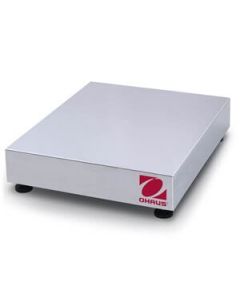
Bench scales – used for portioning or light industrial tasks
Counting scales – for inventory and parts management
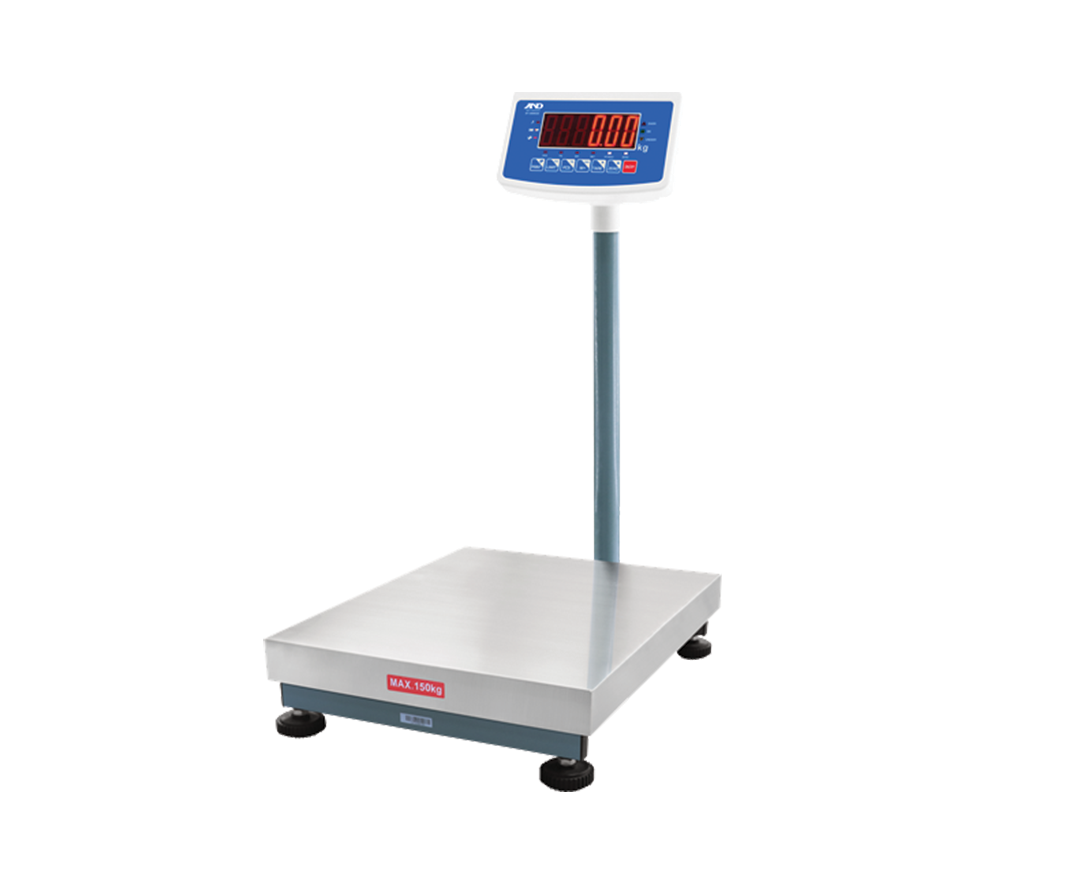
Platform scales – for heavy-duty use in shipping and logistics
Retail scales – often with price computation for deli, grocery, and markets
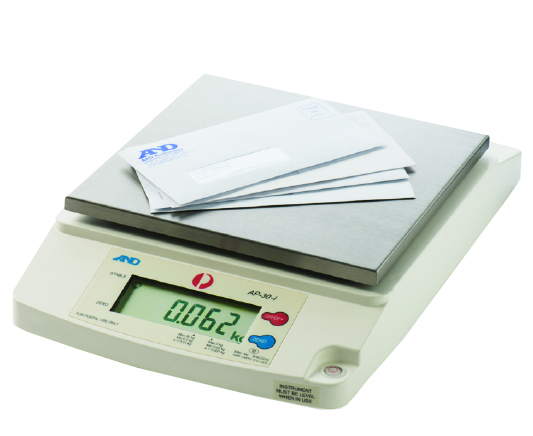
Parcel and postal scales – for accurate shipping cost estimation
Key Differences Between Medical and Commercial Scales
Let’s break down the main differences between the two types of scales across various aspects:
1. Purpose and Usage
Medical Scales: Measure the body weight of patients to monitor health, administer medication dosages, or evaluate progress in treatment.
Commercial Scales: Measure the weight of products or goods for pricing, packaging, shipping, or inventory purposes.
2. Accuracy and Compliance
Medical Scales: Must comply with healthcare regulations (e.g., Class III medical device certification in many countries). Precision is vital, especially in pediatrics or for patients on medication.
Commercial Scales: Must comply with trade or industrial standards (e.g., legal-for-trade certifications), but may not be held to the same level of medical-grade precision.
3. Design Features
Medical Scales: Often feature handrails, seats, ramps, and anti-slip surfaces. They prioritize safety, comfort, and accessibility, especially for the elderly, disabled, or infants.
Commercial Scales: Built for durability and efficiency, often designed to withstand harsh environments (dust, moisture, rough handling) with stainless steel platforms and industrial enclosures.
4. User Interaction
Medical Scales: Typically include user-friendly displays, BMI calculators, height rods, or EMR (Electronic Medical Record) integration.
Commercial Scales: May include barcode scanners, printers, pricing displays, or interfaces with warehouse or POS (Point of Sale) systems.
5. Weight Capacity
Medical Scales: Generally, range from a few kilograms (for infants) to around 300–400 kg for bariatric patients.
Commercial Scales: Can vary widely – from a few grams (for jewelry or food) up to several tons (for industrial pallets or freight).
6. Portability
Medical Scales: Many models are portable or feature wheels for moving between rooms or wards.
Commercial Scales: Some are portable, but larger models are often fixed in one location due to size and weight capacity.
When Should You Use a Medical Scale?
Medical scales should be used in any setting where the primary purpose is patient care. If accurate weight measurement plays a role in diagnosis, treatment decisions, medication dosing, or health monitoring, a medical-grade scale is essential.
Use Cases:
Hospitals and emergency departments
Pediatric clinics (for tracking baby growth)
Bariatric centers
Physiotherapy and rehabilitation practices
Nursing homes and assisted living facilities
General practitioners and outpatient clinics
When Should You Use a Commercial Scale?
Commercial scales are suitable for environments where weight measurement is tied to commerce, logistics, or production. They are the go-to tools when managing goods and merchandise, rather than people.
Use Cases:
Retail stores (for weighing and pricing fresh produce)
Shipping and logistics centers (for parcel weighing)
Factories and assembly lines (for quality control and batching)
Food processing facilities
Warehouses and distribution hubs
Why Choosing the Right Scale Matters
Using the wrong type of scale can lead to:
Inaccurate measurements that affect health outcomes or profit margins
Non-compliance with regulatory standards
Reduced efficiency due to improper features or interface limitations
Safety risks for patients or workers
By selecting the correct scale for your application, you ensure accuracy, efficiency, and safety while staying compliant with the relevant industry standards.
Conclusion
Though both medical and commercial scales serve the essential function of weight measurement, their designs, applications, and requirements are worlds apart. Medical scales are built with a patient’s health and safety in mind, offering features like high-precision sensors, ergonomic design, and healthcare integration. In contrast, commercial scales are built for speed, durability, and integration into retail or industrial systems.
Choosing the right scale isn’t just a technical decision—it’s an investment in better service, higher accuracy, and long-term reliability. Whether you’re managing a hospital or running a logistics operation, understanding these key differences ensures that you’re equipped with the right tool for the job.


http://www.technomond.in/milk-weighing-scale-system.html - Our Electronic Milk Weighing Scale System Manufacturers has sent a wave across the market.
UP, Delhi, we are counted among the Milk Weighing Scale System Suppliers in India.Industries require special type of scales based on the ambience of weighing, type of weighing to facilitate the ease of handling of weighing material and increase the speed of weighing.
Contech has wide range of special scales like Flameproof Scales for Ammunition factory, weighing of highly explosive chemicals, Waterproof Scales for Aqua Industries, Platform Scales with ramp and roller for ease of loading & unloading of carboy and drums, Milk Weighing Scale System Manufacturers for the milk collection units and dairies.