





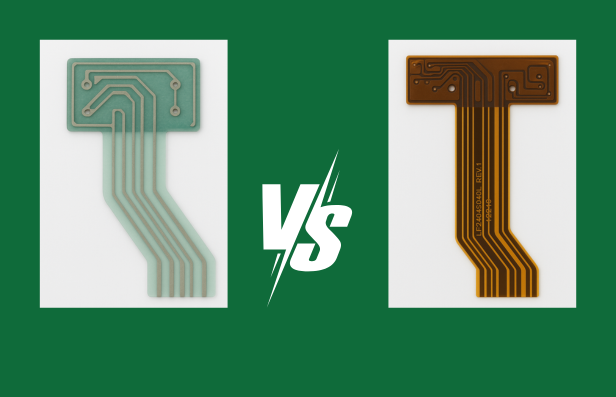
Membrane switches are essential in human-machine interfaces (HMIs) due to their high reliability, compact size, and customization. Choosing between PET (polyester) circuits and FPC (flexible printed circuits) is critical, as each material has distinct benefits, limitations, and costs.
This guide explains the differences clearly, helping designers choose the right membrane switch circuit materials based on complexity, durability, functionality, and cost.
Understanding PET vs. FPC Circuits
PET Circuits (Polyester with Silver Ink): PET circuits use silver ink printed onto polyester films to create conductive pathways. Components like LEDs attach via conductive epoxy because PET can't handle high temperatures. PET circuits are affordable and straightforward, ideal for simple and budget-sensitive designs.
FPC Circuits (Flexible Printed Circuits on Polyimide): FPC circuits involve etched copper on durable polyimide film, capable of withstanding soldering heat (~280°C). They support fine pitch traces and direct soldering of small, high-reliability components like microchips and LEDs. This makes FPC ideal for complex designs and harsh conditions.
Advantages, Limitations, and Applications of PET Circuits
Advantages:
- Cost-effective: Ideal for budget-sensitive projects.
- Simple applications: Suitable for straightforward designs.
- Flexible: Good for moderate flexibility in basic applications.
Limitations:
- Heat sensitivity: Unsuitable for high temperatures and soldering.
- Less precision: Minimum trace widths (~1mm), limiting complex designs.
- Durability concerns: Epoxy joints may weaken over time under stress.
Ideal PET Applications:
- Home-use medical devices (blood pressure monitors, glucose meters)
- Consumer appliances (microwaves, washing machines)
- Simple industrial controls
- Cost-sensitive electronic interfaces

Source- https://www.epectec.com/articles/when-to-use-pet-and-fpc-circuits-in-membrane-switch-design.html
Advantages, Limitations, and Applications of FPC Circuits
Advantages:
High reliability: Durable soldered joints.
Complexity-friendly: Fine trace widths (0.3–0.5mm) for intricate designs.
Extreme durability: Resistant to high temperatures, vibration, and harsh environments.
Advanced components: Allows small surface-mount component integration.
Limitations:
- Higher cost: More expensive materials and processes.
- Complex Manufacturing: Requires precise etching and handling processes.
- Thermal management issues: Polyimide has poor heat dissipation, making it harder to cool high-power components without additional solutions.
Ideal FPC Applications:
- Medical devices requiring sterilization
- Automotive and aerospace interfaces
- Complex, high-performance electronics
- Wearable technology
When PET Makes Sense and When FPC Wins
When PET Circuits Make Sense:
Use Case Example – Appliance Panel: A simple microwave oven keypad benefits from PET due to low complexity, cost sensitivity, and standard operating environments.
When FPC Wins Out:
Use Case Example – Rugged Medical Device: Portable patient monitors with embedded microcontrollers and LEDs require FPC for durability, precision routing, and reliability under harsh conditions and frequent sterilization.
Comparative Analysis of PET vs. FPC Circuit Technologies

Choosing the Right Option: PET or FPC?
Consider these key factors:
Complexity: Simple designs favor PET; intricate designs require FPC. Budget: Cost-driven projects should use PET; prioritize FPC when reliability is paramount. Environment: PET suits mild environments; FPC is needed in extreme conditions. Component size: Choose FPC for designs with small, delicate components.
Designing with the Future in Mind
Selecting PET or FPC impacts your product’s longevity, reliability, and customer satisfaction. While PET circuits are often manufactured domestically in the USA, FPCs are primarily produced overseas, which may influence lead times, costs, and supply chain considerations.
Evaluate your design needs thoroughly, balancing performance, cost, and logistical factors. Thoughtful material selection ensures your product performs optimally, adapts to demanding conditions, and successfully meets user expectations, keeping you ahead in a rapidly evolving technology landscape.
At Butler Technologies, Inc., we specialize in designing and manufacturing advanced membrane switch assemblies using both PET and FPC circuits. Our engineering team works closely with clients to deliver custom solutions optimized for durability, functionality, and cost-efficiency. Whether your application requires high-performance FPC routing or cost-effective PET circuitry, we’re equipped to bring your user interface to life, precisely engineered and production-ready.
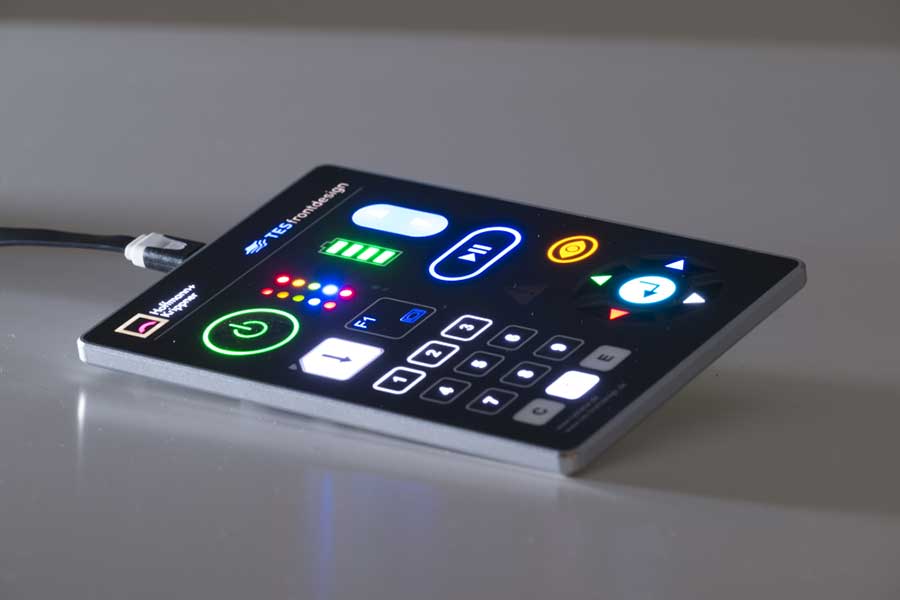


Global Membrane Switch Market is estimated to reach USD 13.14 billion by 2025 owing to increased applications across varied sectors.
The Membrane Switch market is expected to grow at a CAGR of 12.1% in the years to come.
The most striking aspects associated with the usage of membrane switches might include excellent sealing ability, ease of cleaning, and low profile.
The most widespread employment of the membrane switches lies in consumer appliances including washing machine, TV remote control, and air conditioner.Robust growth of the electronics and semiconductor industries, research and development activities, rapid industrialization, technological development, augmented demands across varied sectors, and rising investments by the leading manufactures have been recognized as the key factors that are expected to drive the membrane switch industry growth in the forthcoming period.
The Polyester product type is projected to cover a significant share in the market due to its enhanced properties including robustness, and durability.
The membrane switch industry can be categorized based on product, application, and geography.Asia Pacific has been dominating the market and will continue to attain a higher CGAR in the market.