





When users interact with devices through pressing, gripping, or tapping, the quality of that experience depends on more than just visual design. It comes down to how comfortable, responsive, and intuitive the interface feels.
Printed force sensing resistors (FSRs) are helping engineers create more ergonomic control systems by offering a thin, flexible way to measure applied force directly at the user interface.
These sensors can be embedded into device surfaces without adding bulk, enabling more natural interaction and better responsiveness. For ergonomic design, they offer a practical balance between form, function, and user comfort.
What Are Printed Force Sensing Resistors?
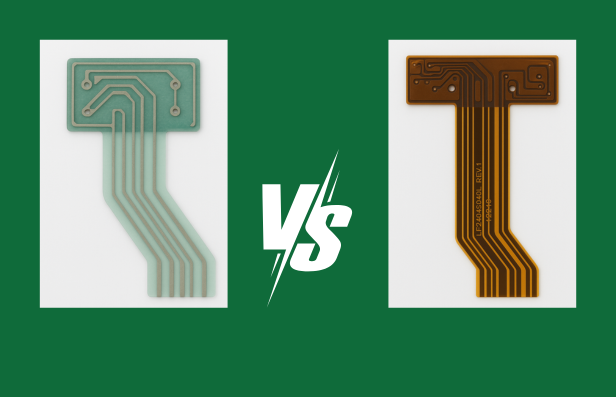
Printed FSRs are pressure-sensitive sensors made using printed electronics techniques. They consist of flexible layers that include conductive inks and a pressure-sensitive material. When force is applied, the resistance of the sensor changes in a measurable way.
Key components typically include:
- A flexible substrate (such as PET or polyimide)
- Printed conductive traces
- A pressure-sensitive ink or polymer
- A top protective layer or overlay
As pressure increases, the resistance drops. This analog signal can be read and used to trigger functions, detect grip force, or adjust device behavior in real time.

How Printed FSRs Support Ergonomic Control
Printed FSRs improve ergonomics in several ways. They make devices more responsive to touch while keeping the interface comfortable and easy to use.
1. Seamless Integration
Their ultra-thin profile allows integration beneath overlays, control surfaces, or soft-touch zones without adding mechanical depth. This keeps devices slim and smooth while still sensing force.
2. Pressure Sensitivity
Unlike binary switches, FSRs provide continuous output based on how much pressure is applied. A light press can do one thing, while a firm press can do another. This gives users more control without adding more physical buttons.
3. Human-Centered Placement
Designers can place FSRs where the user naturally presses, grips, or rests a hand. This improves intuitiveness and reduces strain, especially during repetitive or long-term use.
4. Comfort and Fatigue Reduction
With no mechanical clicks or rigid parts, printed FSRs offer soft-touch input that reduces finger fatigue. This is especially helpful in handheld tools, assistive devices, or medical wearables.
5. Long-Term Durability
Printed FSRs have no moving parts and are resistant to mechanical wear. When protected properly, they maintain performance over thousands of uses, even in high-contact environments.

Best Practices for Design and Integration
To get the most benefit from printed FSRs in your product, consider the following design recommendations:
1. Understand User Behavior
Identify how the device is held or pressed. Map sensor zones to natural pressure points like thumbs, fingertips, or palm contact areas.
2. Choose the Right Materials
Select flexible substrates that match your device’s form. Use pressure-sensitive inks with proven durability and sensitivity across the intended force range.
3. Calibrate the Output
Printed FSRs are non-linear and may vary across the surface. Use signal conditioning and software calibration to create stable, useful force readings in your target range.
4. Optimize for the Environment
If the device will be used in humid, outdoor, or gloved conditions, test for performance under those conditions. Ensure the sensor stack is sealed or protected accordingly.
5. Match Sensitivity to Use Case
Too much sensitivity can cause false triggers. Too little can make the sensor feel unresponsive.
Tune the system to your specific interaction goals.

Applications That Benefit from Printed FSRs
Printed force sensing resistors are used in a variety of ergonomic applications where comfort, thinness, and intuitive control are critical:
- Medical Devices: Soft-touch input pads for patients or clinicians that respond to gentle pressure.
- Wearables: Smart gloves or bands that measure grip strength or contact pressure.
- Consumer Electronics: Sleek touchpads that respond to varying levels of pressure without mechanical parts.
- Assistive Technology: Devices for users with limited mobility, allowing input with minimal effort.
- Industrial Controls: Tools that adapt function based on how firmly they are gripped or pressed.
Moving Forward with Ergonomic Sensing
Printed force sensing resistors are more than just pressure sensors. They are tools for improving how people interact with products. By giving users a more natural and responsive way to control devices, FSRs make interfaces feel better, work smarter, and last longer.
For product designers and engineers, the opportunity lies in combining smart material selection with thoughtful interaction design. Whether you're building a wearable, a touchscreen control, or a handheld device, printed FSRs give you new ways to enhance ergonomics without compromising form or function.
If you’re developing a product that requires comfortable, responsive input, I can help you explore material options, layout strategies, and testing plans to integrate printed FSRs effectively. Let me know what you're working on.
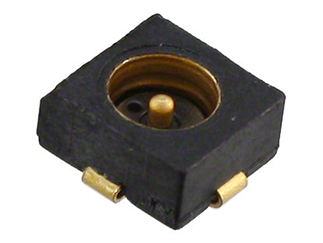
What is a fixed resistor, resistors, fixed resistor manufacturersFixed resistors can be found in any type of electronic device or electrical application.
Fixed Resistors contain two terminals and are designed in such a way to drop the voltage of current as it flows from one terminal to another.
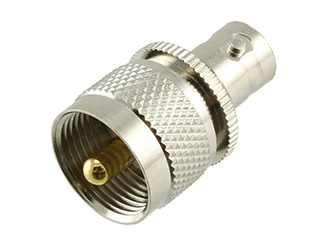
Vishay resistors, surface mount resistors, chip resistorFixed resistors can be found in any type of electronic device or electrical application.
Fixed Resistors contain two terminals and are designed in such a way to drop the voltage of current as it flows from one terminal to another.
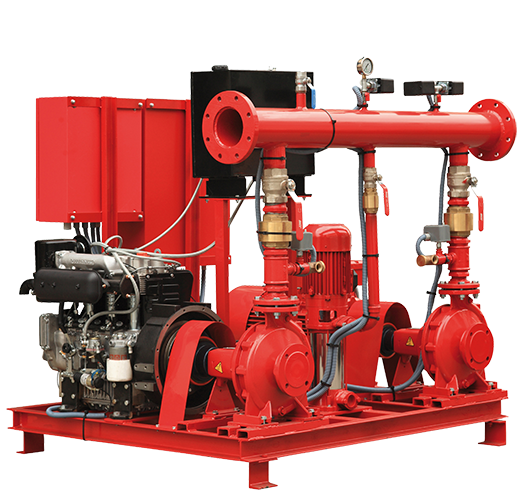
The concept is for the fire pump system and jockey pump control system to sense the pressure through the use of 2 orifices on each sensing line at a distance of a minimum of 5 feet separation.
This will also reduce water hammer that will control the damage of the electronic transducer as well as controller.
Here is checklist for the Installation of Sensing Lines in Jockey and Fire Pump Systems!