






In today’s rapidly changing healthcare landscape, medical practices face mounting pressure to deliver high-quality care while maintaining financial stability. With reimbursement models shifting and administrative burdens growing, managing the business side of healthcare has never been more challenging. Among these challenges, optimizing revenue cycle performance particularly in the area of Accounts Receivable (A/R) is increasingly vital.
One critical area many practices overlook until it's too late is Medical Accounts Receivable Services. Positioned at the core of financial operations, effective A/R management is essential not only for survival but for thriving in an increasingly competitive field. Whether your practice is large or small, having a strategic approach to A/R can improve cash flow, reduce bad debt, and free up internal resources.
The Role of Medical Accounts Receivable Services
Accounts receivable refers to the outstanding payments owed to a medical practice for services rendered. Delayed reimbursements from insurers or patients can choke cash flow, ultimately impacting the practice’s ability to meet payroll, invest in new technologies, or even keep the lights on.
Medical Accounts Receivable Services are designed to manage and collect these owed payments efficiently. These services include claims follow-up, denial management, patient billing, and payment posting. Outsourcing or enhancing this process with a professional A/R team ensures that every dollar earned is actively pursued, accurately recorded, and quickly collected.
Why A/R Services Are Crucial Now
The urgency for robust A/R services has never been greater. Here’s why:
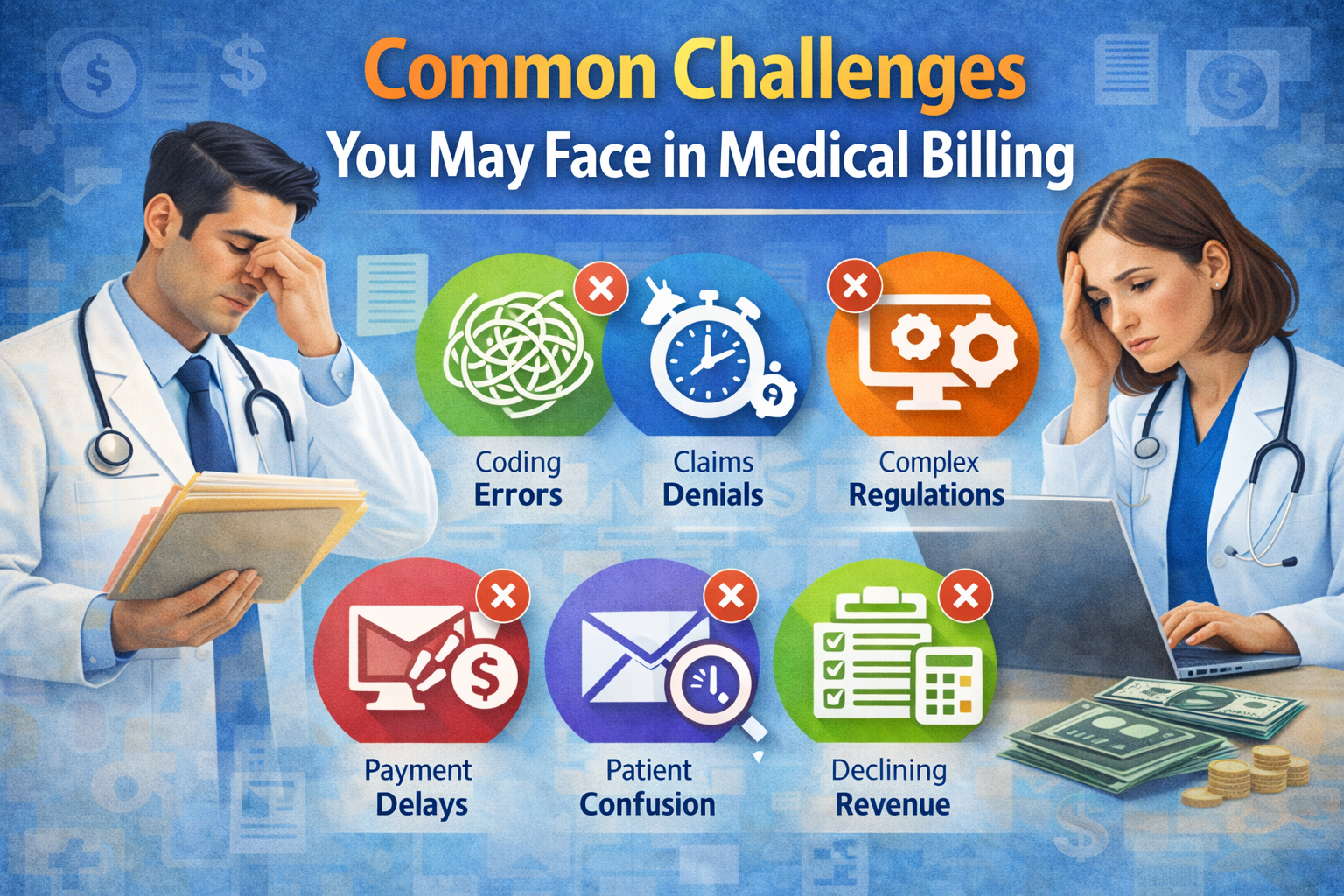
1. Increasing Complexity in Billing Codes
The constant evolution of ICD-10, CPT, and HCPCS codes can lead to billing errors, delays, and denials. With specialized A/R services, your claims are submitted with precision and followed up promptly, reducing the time money sits in accounts receivable.
2. Higher Patient Financial Responsibility
As high-deductible health plans become more common, patients are now responsible for a larger share of their healthcare costs. Medical practices must follow up with patients to ensure these balances are collected—something a strong A/R team is trained to do effectively.
3. Insurance Denials and Delays
Claims are often denied due to minor errors or lack of documentation. Without dedicated A/R oversight, denied claims may sit unresolved. A/R specialists actively appeal and resolve these claims, helping maintain healthy revenue cycles.
4. Limited Internal Resources
Many practices are already stretched thin. By leveraging medical A/R services, your staff can focus on patient care while experts manage financial recovery.
5. Cash Flow Instability
Inconsistent cash flow due to slow collections can cripple operations. A/R services ensure money is collected as quickly and efficiently as possible, enabling steady income.
5 Practical Tips to Improve A/R Management
If you’re managing your accounts receivable in-house or just starting to assess your current approach, these five practical strategies can help boost your efficiency:
1. Track Key A/R Metrics Weekly
Know your numbers days in A/R, percentage over 90 days, and denial rates. Weekly reviews will help you catch trends before they become critical problems.
2. Segment A/R by Payer and Age
Organizing accounts by insurance provider and age of the claim allows for focused follow-up. Oldest claims should always be prioritized to avoid timely filing denials.
3. Use Automated Reminders and Statements
Set up electronic reminders for patients and insurers. Automation reduces human error and ensures consistent follow-up on outstanding balances.
4. Train Your Front Desk Staff
Revenue cycle management starts at check-in. Ensure your staff verifies insurance details and collects copays or balances up front to reduce the amount that enters A/R.
5. Partner with a Specialist
If your in-house team is overwhelmed or undertrained, outsourcing to a professional A/R service can drastically Improve Cash Flow and reduce aging balances.
Hidden Costs of Ignoring A/R Issues
Many practices underestimate the financial consequences of inefficient A/R management. Consider these impacts:
Inaction leads to leakage both financially and operationally. By the time many practices realize the issue, it’s often too late to recover significant losses.
How to Evaluate a Medical A/R Service
Choosing the right partner for A/R management can be a game-changer. Here’s what to look for:
A professional provider like RCM Experts can tailor services to your needs, combining cutting-edge technology with human expertise to maximize recoveries.
Final Thoughts
In today's healthcare environment, there is no margin for financial inefficiency. With increasing patient responsibilities, evolving billing regulations, and more aggressive payer scrutiny, the need for medical accounts receivable services is not optional; it’s essential.
If your practice is struggling with inconsistent revenue, aging accounts, or administrative overload, now is the time to act. Choosing the right support can free up internal resources, enhance patient satisfaction, and stabilize your revenue cycle. For those looking for long-term stability, consider working with a Medical billing company that specializes in customized A/R solutions.
Make the smart move today; your financial future depends on it.





Outsourcing your bookkeeping services has several benefits; take advantage of the opportunity to find accountants that you can trust with your extra work so that you can focus on a much broader client base.