






In today's fast-evolving healthcare landscape, financial stability is just as crucial as delivering quality patient care. Medical providers are constantly challenged to balance efficient service delivery with timely reimbursements. One vital component that significantly impacts a healthcare provider's revenue is Medical Accounts Receivable Services. Managing A/R effectively is essential to maintaining cash flow, improving patient satisfaction, and ensuring long-term viability.
As medical billing becomes more complex due to shifting insurance regulations and payer rules, many providers are considering outsourcing their medical accounts receivable functions. While this approach has proven advantageous for many, it may not be ideal for every practice. This blog dives deep into the pros and cons of outsourcing A/R services and offers five practical tips to help providers improve their revenue processes.
What Are Medical Accounts Receivable Services?
Medical Accounts Receivable (A/R) Services involve the management of outstanding payments owed to healthcare providers by patients or insurance companies. These services track claims, follow up on denials, process re-submissions, and ensure that the provider is reimbursed accurately and in a timely manner.
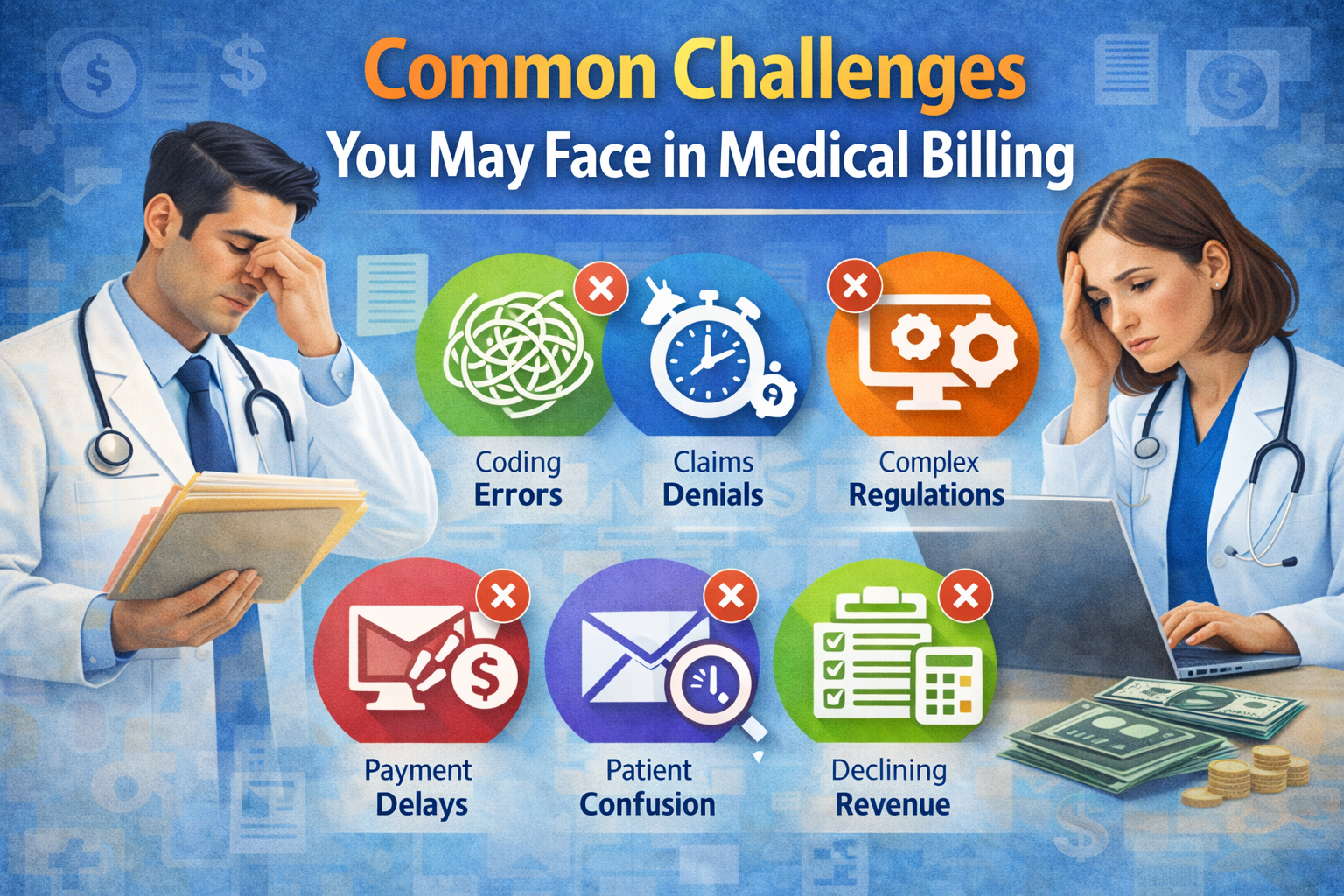
The efficiency of these services can determine whether a healthcare organization thrives or struggles. Poor A/R management leads to delayed payments, reduced cash flow, and can ultimately affect patient care and staff morale.
The Case for Outsourcing Medical A/R Services
1. Access to Expertise and Specialized Knowledge
Outsourcing your A/R to experienced vendors gives you access to professionals trained specifically in revenue cycle management. These experts understand payer requirements, denial codes, and the subtleties of claim follow-up, significantly improving the chances of successful reimbursement.
2. Cost Savings
Managing an in-house billing department requires substantial resources salaries, benefits, software, training, and compliance monitoring. Outsourcing reduces overhead costs while delivering consistent results, especially for small to mid-sized practices.
3. Improved Cash Flow and Faster Reimbursements
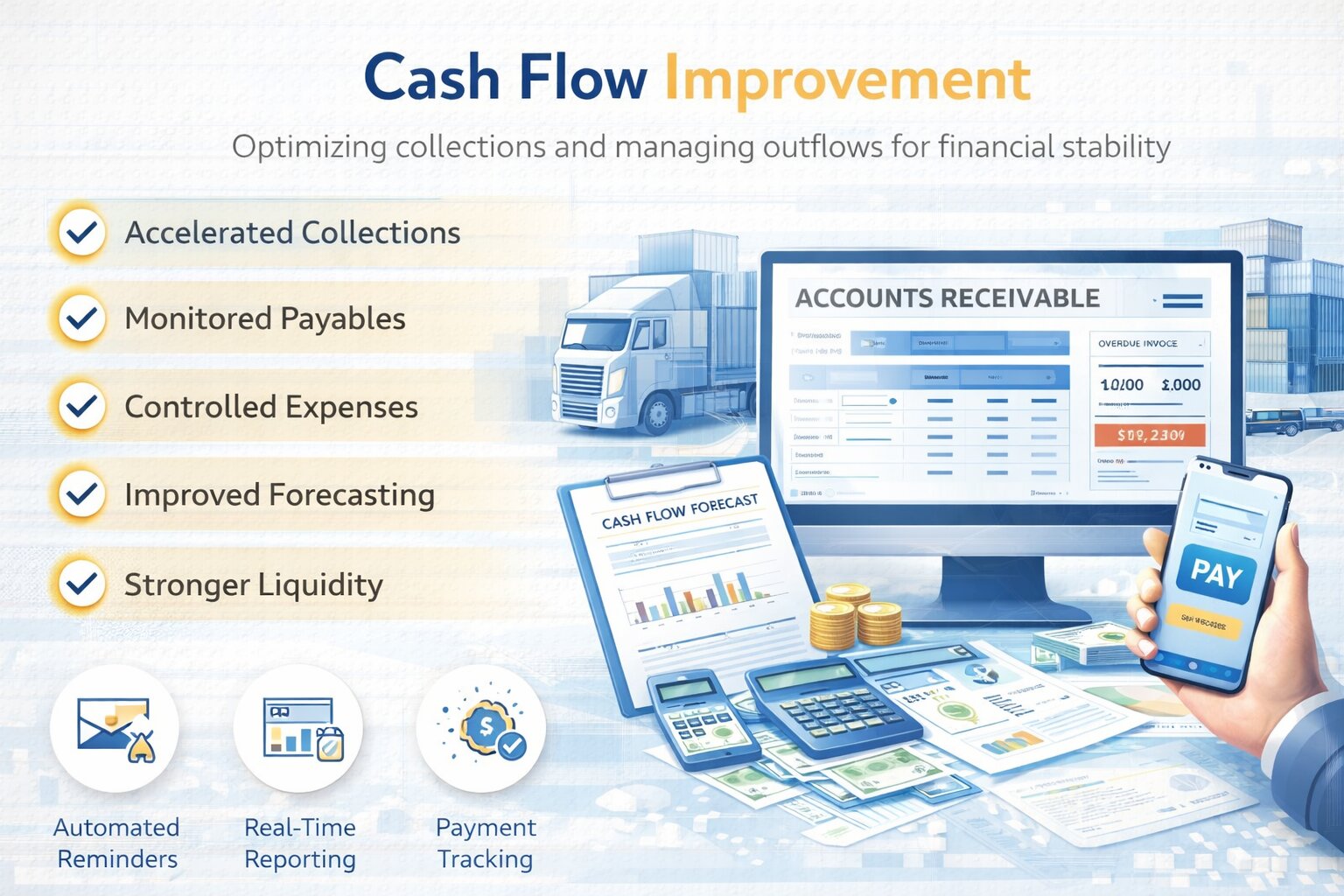
Specialized firms use robust tools and workflows to minimize delays. With quicker claim follow-ups and fewer errors, outsourcing can significantly enhance cash flow—ensuring you have the financial stability to invest in better patient care.
4. Focus on Core Clinical Functions
Outsourcing allows healthcare providers to shift their focus back to what truly matters: patient care. Delegating administrative and billing responsibilities reduces stress on internal teams and enhances productivity across departments.
5. Scalability and Flexibility
As your practice grows or experiences fluctuations in claim volumes, outsourced partners can quickly adjust without disrupting operations. This flexibility helps practices stay efficient during peak periods or expansions.
The Potential Drawbacks of Outsourcing
1. Loss of Control
One major concern is the perceived loss of control over billing operations. Providers may feel disconnected from the process, leading to communication gaps or delays in understanding claim statuses.
2. Security and Compliance Risks
Sharing sensitive patient data with third-party vendors introduces HIPAA compliance and data security challenges. Choosing a reputable, certified partner is essential to mitigate these risks.
3. Dependence on External Vendors
Outsourcing can make a practice dependent on external partners. If the vendor underperforms or experiences issues, your practice could face significant revenue disruptions.
4. Hidden Costs and Contractual Limitations
Some vendors may have unclear pricing models, minimum volume requirements, or rigid contracts that limit flexibility. Always review service agreements carefully to ensure alignment with your goals.
5 Practical Tips to Strengthen Your A/R Process
Even if you outsource, your team should understand and oversee the A/R function. Here are five actionable tips:
1. Audit Claims Regularly
Set up regular internal audits to track denials, underpayments, and delayed reimbursements. Understanding these trends helps optimize the billing cycle and ensures your outsourcing partner meets performance expectations.
2. Improve Patient Eligibility Checks
One of the most common reasons for claim denials is incorrect insurance information. Implement robust eligibility verification before appointments to reduce rejected claims and improve cash flow.
3. Train Frontline Staff on Financial Policies
Make sure your administrative and front-desk teams are well-trained on payment policies and patient communication. Clear expectations at check-in reduce confusion and unpaid balances down the line.
4. Monitor Key Performance Indicators (KPIs)
Track KPIs such as Days in A/R, Collection Rate, and First Pass Resolution Rate. These metrics offer insight into the health of your revenue cycle and help you make informed decisions.
5. Leverage Technology and Automation
Whether in-house or outsourced, using tools like EHR-integrated billing platforms, AI-based claim scrubbing, and automated payment reminders can boost efficiency and reduce errors significantly.
When Should You Consider Outsourcing?
Outsourcing isn’t an all-or-nothing solution. Practices might consider partial outsourcing—such as just the denial management or follow-up processes or switch entirely based on need.
Ask these questions to assess readiness:
If you answered "yes" to more than two, it might be time to consider outsourcing as a strategic move.
Midway through this transformation, it's also important to evaluate how these changes affect your Healthcare Revenue Cycle. Linking clinical performance to revenue outcomes provides a more holistic understanding of your practice's overall efficiency.
Choosing the Right Partner
When selecting an outsourcing provider, vet potential partners thoroughly:
RCM Experts is one example of a provider known for tailored solutions and transparency. Their commitment to accuracy and efficiency has made them a reliable option for many small to large practices.
Final Thoughts
There’s no one-size-fits-all approach. Outsourcing Medical Accounts Receivable Services can streamline your financial operations and allow your staff to focus on patient care. However, due diligence is essential to avoid common pitfalls like loss of control or compliance risks.
Whether you're a solo practitioner or a large clinic, the right partner can transform your billing process into a strategic asset. If you're looking for a Medical billing company in USA that understands both the technical and personal sides of A/R management, consider exploring vendors that align with your values and workflow goals.
By applying the practical tips shared above and assessing your internal capabilities honestly, you’ll be in a strong position to decide whether outsourcing is the right move for your healthcare organization.




Outsourcing your bookkeeping services has several benefits; take advantage of the opportunity to find accountants that you can trust with your extra work so that you can focus on a much broader client base.