





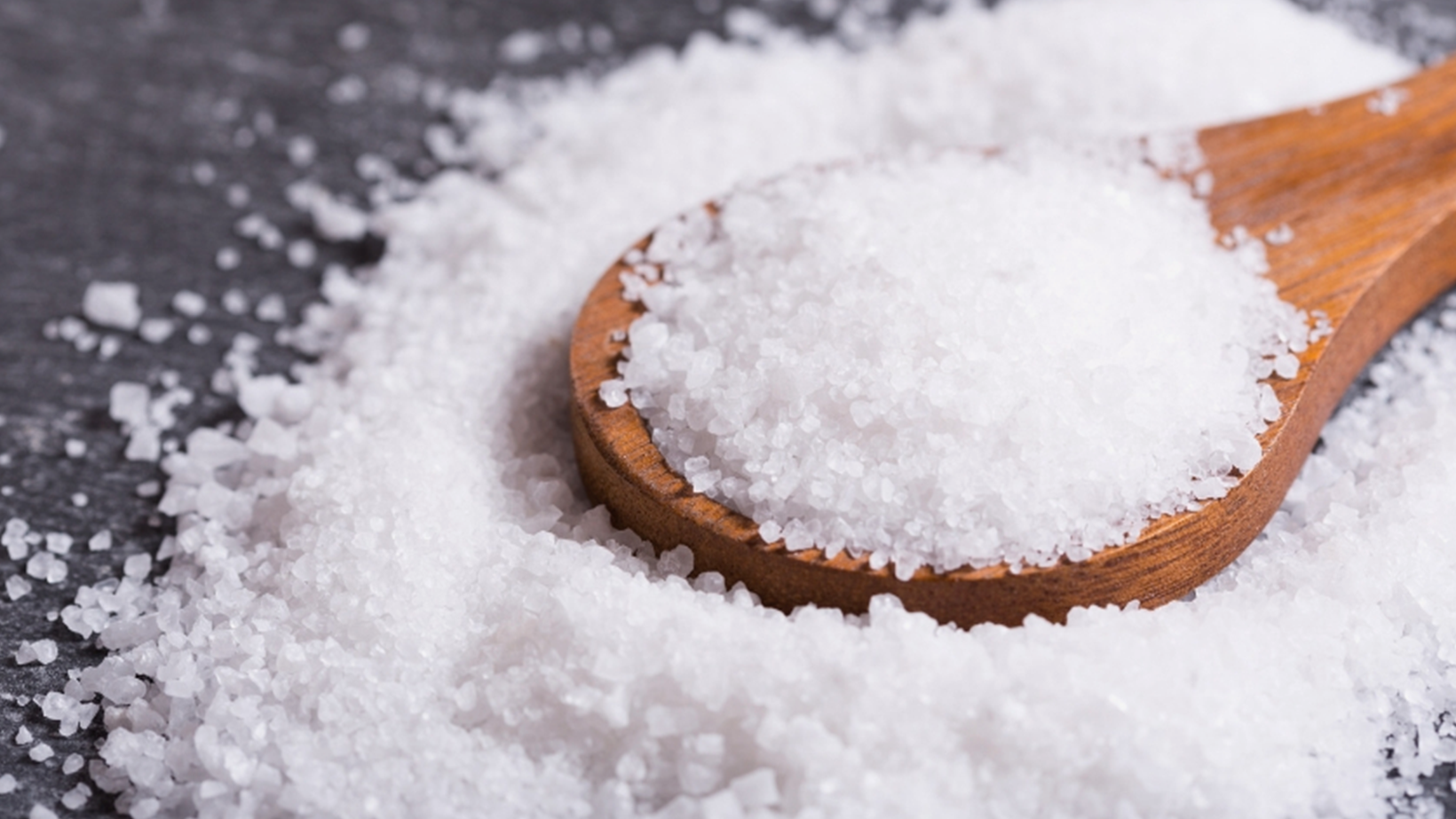
When winter storms roll in, and temperatures plunge below freezing icy sidewalks, driveways, and roads become both a nuisance and a serious safety hazard. One of the most commonly used solutions to combat these conditions is bagged salt—a staple for municipalities, commercial facilities, and homeowners alike. But how does this seemingly simple substance work so effectively against ice? We must delve into the science behind deicing with bagged salt to appreciate its power truly.
What Is Deicing?
Deicing is the process of clearing surfaces of any snow or ice that has formed. This is not the same as anti-icing, which is the process of putting a chemical agent on the surface prior to a snowstorm in order to stop the ice from sticking to it. Since salt works well and is inexpensive, it is frequently used initially for deicing, which usually calls for more work and supplies.
The Role of Salt in Deicing
Freezing point depression is the process by which bagged salt, also known as rock salt (sodium chloride), calcium chloride, magnesium chloride, or potassium chloride, lowers the freezing point of water.
Freezing Point Depression Explained
Under normal conditions, water freezes at 32°F (0°C). When salt is applied to ice, it dissolves into its respective ions (like Na⁺ and Cl⁻ in the case of rock salt), disrupting the molecular structure of ice and lowering the temperature at which water can remain solid. Thus, even when the temperature is below freezing, ice starts to melt.
For instance:
- Sodium chloride works down to about 15°F (-9.4°C)
- Calcium chloride can be effective at -25°F (-31.6°C)
- Magnesium chloride performs well at temperatures as low as -13°F (-25°C)
Each type of salt has a specific eutectic temperature—the lowest point at which the substance can still melt ice.
Types of Bagged Salt and Their Characteristics
1. Rock Salt (Sodium Chloride)
- The most widely used and affordable
- Effective above 15°F
- Leaves behind a gritty residue
- Over time, it may damage vegetation and erode concrete
2. Calcium Chloride
- Highly effective in very low temperatures
- The exothermic reaction releases heat, accelerating melting
- More expensive than rock salt
- Can attract moisture, leading to storage issues
3. Magnesium Chloride
- Safer for pets and plants
- Effective to -13°F
- Less corrosive than rock salt
- Slower acting compared to calcium chloride
4. Potassium Chloride
- Environmentally friendly option
- Works best at around 20°F
- Slower action and less common due to cost
Each bagged salt type has trade-offs regarding performance, cost, safety, and environmental impact. Understanding these differences is essential when choosing the best product for your needs.
The Importance of Moisture
Salt does not melt ice unless there is some moisture present. In dry, extremely cold conditions, salt needs time to attract moisture from the environment or needs to be activated with a light water application. Some pre-treated or "wet" bagged salts already contain a brine solution to kickstart the melting process immediately.
Why Timing Matters
Applying bagged salt before or just as snow accumulates allows it to prevent ice from bonding to the pavement. When used after snow has compacted or turned to ice, more salt and time are needed for it to penetrate the solid layer. This is why timing and application technique matter as much as the choice of salt.
How Deicing Salt Spreads Work
Brine is produced when the ice starts to melt due to the salt. This salty water mixture flows across the surface, melting more ice and breaking the bond between the ice layer and the pavement. The brine spreads until it dilutes beyond the salt's effective concentration or until the temperature drops below its effective range.
Environmental and Safety Considerations
While effective, excessive use of deicing salt poses risks:
1. Environmental Damage
- Runoff has the potential to contaminate soil and harm aquatic life
- Plants and tree roots can be damaged by high salt concentrations
2. Corrosion
- Chloride-based salts accelerate corrosion in vehicles, metal infrastructure, and concrete surfaces
3. Pet Safety
- Rock salt and some chlorides can cause paw irritation or toxicity if ingested
- To mitigate these issues:
- Use only the necessary amount of salt
- Sweep up excess after melting
- Consider eco-friendly blends or calcium magnesium acetate (CMA) as an alternative
Application Best Practices
- Use the right salt for the temperature: For colder climates, calcium or magnesium chloride may be better than rock salt.
- Apply evenly: Over-salting doesn't speed up melting and just wastes material.
- Store properly: Keep bagged salt in a dry, sealed container to prevent clumping.
- Pre-wet when possible: Using a salt brine or pre-treated salt can increase effectiveness.
Innovations in Bagged Salt Products
The industry has evolved from basic rock salt to more sophisticated blends:
- Enhanced colour additives (like green or blue dye) for visibility and control application
- Corrosion inhibitors to protect surfaces
- Organic additives like beet juice or molasses to reduce environmental impact and improve stickiness
These innovations allow users to deice more efficiently, safely, and sustainably.
Conclusion
Bagged salt is critical in keeping our streets, sidewalks, and driveways safe during winter months. Its effectiveness stems from the well-understood principles of freezing point depression, which disrupts the formation and persistence of ice. While it's a powerful tool, understanding the science behind its action, the types of salt available, and the proper usage techniques ensure you get the most out of every bag—while minimizing harm to the environment, infrastructure, and pets.
With this knowledge, you can confidently choose and apply the right deicing solution for your needs—turning winter's worst into a manageable challenge.



The materials needed are readily available in local stores for home-supply as well in department shops.
It is typically mixed by rock salt.What is the Process of Deicing Salt Production?Making salt brine into deice isn't a problem.
These mixes can be applied to any object which require cleaning like tires and pipes for the purpose of removing unpleasant smells from the materials.Deicing isn't limited to the environmental.
Making salt brine to deice can benefit your family members and to you for many years to be.Making salt brine to deice and deice roads isn't that easy.
All you need is a mixing bowl and a few cups of water.
If you visit the nearest hardware retailer or home improvement store there's a wide selection of deicing items.

We are an industry leader in providing the highest quality of Himalayan salt products.
While considering benefits of Himalayan salt as a treatment option for our customers with respiratory and skin diseases, we are proud to introduce a variety of Himalayan salt products ranging from Salt Lamps, SaltCure, Salt Cooking Plates, Salt Blocks, customized wall design systems and the building construction expertise of salt rooms.
All these products are shipped direct from our factory in Pakistan and made available locally, via our warehouse in California, USA.